Quick answer
Start with a cart that fits your actual space, then buy bar tools in order of how often you'll use them: shaker, jigger, strainer, bar spoon, and a good knife. Stock two or three bottles you already enjoy before adding anything else, and buy mixers like Ocean Spray Cranberry Juice as you need them rather than all at once.
Measure your space before you buy the cart
A bar cart that doesn't fit your room is the most expensive mistake in this project. Measure the wall or corner where the cart will live, including door swing and walking paths. A two-tier cart around 30 inches wide fits most apartments; three-tier carts hold more but need about 36 inches of clearance to roll freely. If you rent or move often, a folding or narrow cart beats a heavy cabinet. Check that the wheels lock so bottles don't roll when you pour.
Buy tools in order of how often you'll use them
A shaker, jigger, strainer, bar spoon, and paring knife cover most drinks you'll make at home. Skip the citrus press, muddler, and speed pourers until a specific recipe demands them. A jigger matters more than a fancy shaker because consistent measurements are what make a drink taste the same twice. If you only make stirred drinks like a Manhattan, you can delay the shaker and buy a mixing glass instead.
Stock two or three bottles you actually drink
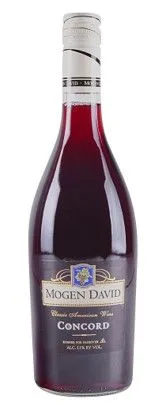
The fastest way to waste money is buying bottles for drinks you never make. Pick a base spirit you like, then add one modifier such as sweet vermouth or a liqueur that works in several recipes. If you enjoy wine, a chilled sweet red like Mogen David Concord NV can double as a casual pour and a mixer for spritz-style drinks. Add a Pinot Noir like Elevation Pinot Noir 2023 if you want a red that works with food and doesn't need a special occasion. Write your three bottles on a card and stick to it for the first month.
Choose mixers that earn their shelf space
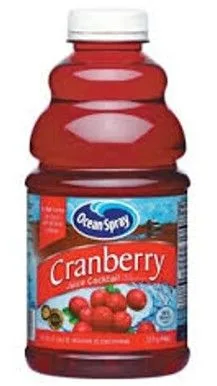
Mixers go flat or spoil, so buy small bottles and replace them as you use them. Cranberry juice, ginger beer, tonic, and soda water cover a wide range of simple drinks. Ocean Spray Cranberry Juice comes in a 32oz bottle with no added sugar and no artificial flavors, which makes it a flexible mixer for vodka, rum, or a non-alcoholic spritz. Keep opened juice in the fridge and check the date before you pour.
Add glassware you can replace
You need four to six of each glass type you use most: a rocks glass, a highball, and a wine glass. Buy a set you can replace individually rather than a fragile matched set. Stemless wine glasses survive dishwashers better and work for both wine and cocktails. Skip specialty glasses like coupes or nick and nora until you host a party that calls for them.
Set up the cart so you actually use it
Put the tools you use daily on the top tier and bottles on the bottom for stability. Keep a small towel, a bottle opener, and a jigger within reach. Store vermouth and juice in the fridge after opening, not on the cart. A cart that's cluttered with unused gadgets becomes a shelf; a cart with five working tools becomes a habit.
Restock deliberately, not impulsively
Once a month, check what you finished and replace only that. If a bottle sat untouched for two months, don't buy it again. Use a shopping list tied to recipes you made, not to sales. This keeps a budget home bar from turning into a collection of half-empty bottles. A small home bar setup works best when every item has a job.
Seven steps to a bar cart that works
- Measure the space: Check width, depth, and door swing before buying. A cart that blocks a walkway will get pushed aside and forgotten. If it doesn't fit, keep looking.
- Buy five core tools: Shaker, jigger, strainer, bar spoon, and paring knife. Add a mixing glass if you mainly stir drinks. Skip anything you can't name a use for.
- Pick three bottles you drink: One base spirit, one modifier, and one wine or ready-to-pour option. Write them down and stick to the list. If you wouldn't drink it neat, don't buy it for the cart.
- Add mixers in small sizes: Cranberry juice, ginger beer, tonic, and soda water cover most simple drinks. Buy the size you'll finish. Check dates and refrigerate after opening.
- Choose replaceable glassware: Four to six each of rocks, highball, and stemless wine glasses. Avoid fragile matched sets. If you can't replace one glass, you'll avoid using the set.
- Arrange for daily use: Tools on top, bottles on the bottom, towel and opener within reach. Refrigerate vermouth and juice. A cart you use weekly is set up right.
- Restock by what you finished: Replace empty bottles only. If something sat untouched for two months, leave it off the list. Your list should match your habits, not the shelf.
Bottles and mixers that earn a spot
- OCEAN SPRAY CRANBERRY JUICE (32oz): Ocean Spray Cranberry Juice is a 32oz bottle made from the juice of over 650 cranberries with no added sugar and no artificial flavors. A single bottle covers multiple drinks, so you're not buying three separate mixers that go flat before you use them.
- MOGEN DAVID CONCORD NV, U.S.A.: Mogen David Concord NV is a sweet red wine from the U.S.A. with prominent grapey Concord flavors, best served chilled. Chill it and it works as a casual pour or a mixer, so one bottle fills two roles on a small cart.
- ELEVATION PINOT NOIR 2023: Elevation Pinot Noir 2023 is a Pinot Noir from the Russian River area with tasting notes of rhubarb, raspberry, cola, and clove plus elegant earth notes. A food-friendly red that doesn't need a special occasion, so it earns its place on a beginner cart.