Quick answer
Use 3D-printed wall sections and rock columns to build modular, paintable terrain for tabletop RPGs and wargames.
Why 3D-printed terrain pieces work for tabletop games
3D-printed terrain pieces like wall sections and rock columns replace flat cardboard tokens with tactile, durable elements that add depth to your game board. They are sold unpainted, so you can customize the look to match your campaign setting.
These pieces are designed for modular placement, not fixed grids. You can rearrange them between sessions or use them as scatter terrain in skirmish games.
What to expect from unpainted 3D prints
The wall sections and rock columns come unpainted with visible print layers at 0.2 mm height. This texture takes primer well but may need light sanding on flat faces if you want a smoother finish.
The wall sections measure 64 mm x 28 mm x 17 mm each, and the rock columns are 23.8 mm x 28 mm x 56.25 mm. They are not compatible with the Organizer for Gloomhaven (ORG050), so plan your storage separately.
How to build terrain with wall sections and columns
- 1. Prepare the pieces for painting: Wash the 3D prints in warm soapy water to remove any residue from the printing process. Let them dry completely. Apply a thin coat of spray primer (acrylic or enamel) to help paint adhere to the textured surface. A common mistake is skipping the primer, which causes paint to pool in the layer lines. Primer fills the layer lines slightly, giving you a more even base coat.
- 2. Base coat and dry brush for depth: Paint the wall sections in a stone or brick color (e.g., neutral gray) and the rock columns in a matching earth tone. After the base coat dries, dry brush a lighter shade over raised areas to highlight texture. A common mistake is using too much paint on the dry brush, which fills the detail instead of accenting it. Test the dry brush on a spare piece first to control the amount of paint on the bristles.
- 3. Arrange terrain on the game board: Place wall sections to form corridors, room boundaries, or ruined walls. Position rock columns as line-of-sight blockers or objective markers. Leave gaps between pieces for player movement. A common mistake is placing pieces too close together, which makes it hard to slide miniatures into the space. Leave at least one base-size gap between walls so miniatures can fit through.
Terrain pieces used in this guide
-
Wall Section (6): Includes 6 3D-printed wall section tokens, each 64mm x 28mm x 17mm. The size works for dungeon corridors or building ruins, and the set gives you enough pieces to create a small encounter area.
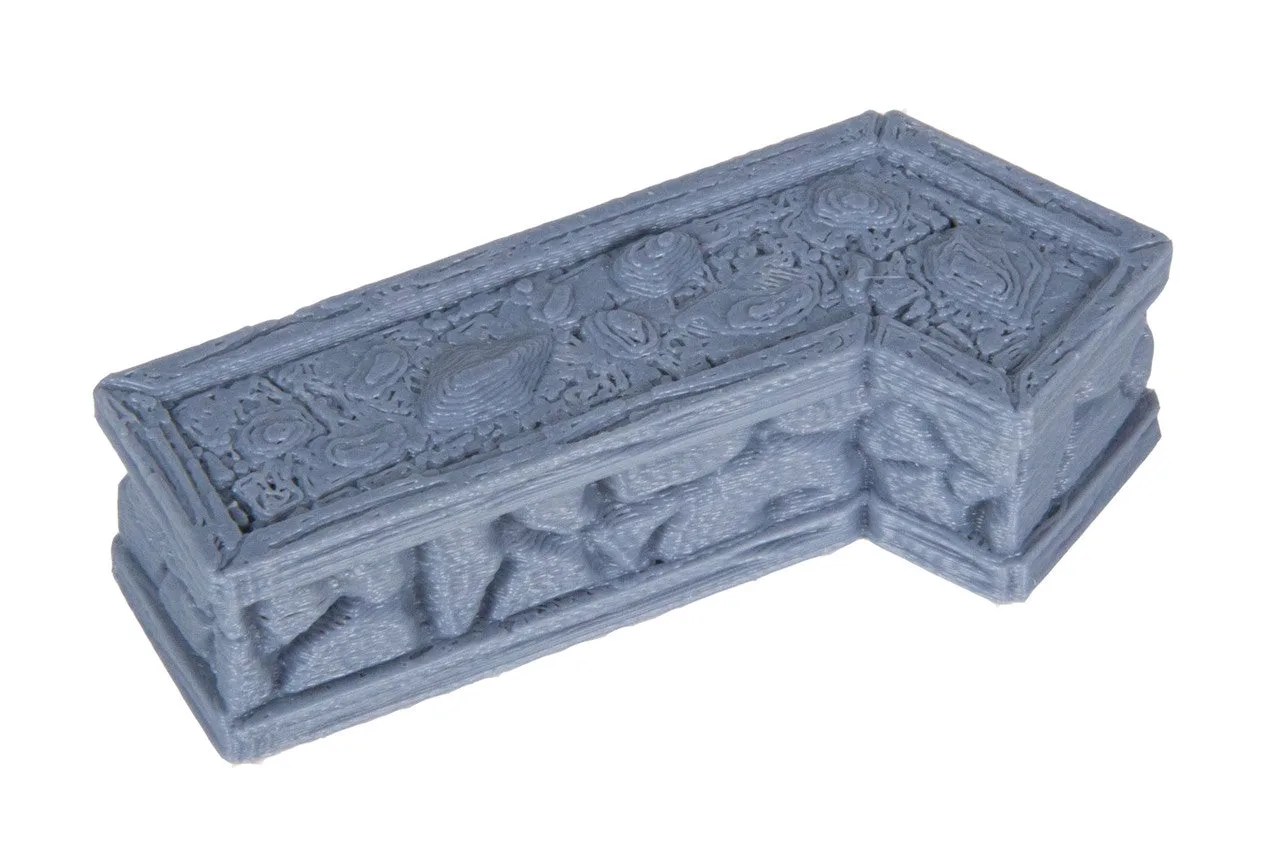
Wall Section (6)
-
Rock Column (6): Includes 6 3D-printed rock column tokens, each 23.8mm x 28mm x 56.25mm. Columns add vertical cover and line-of-sight blockers, making encounters more tactical without taking up much table space.
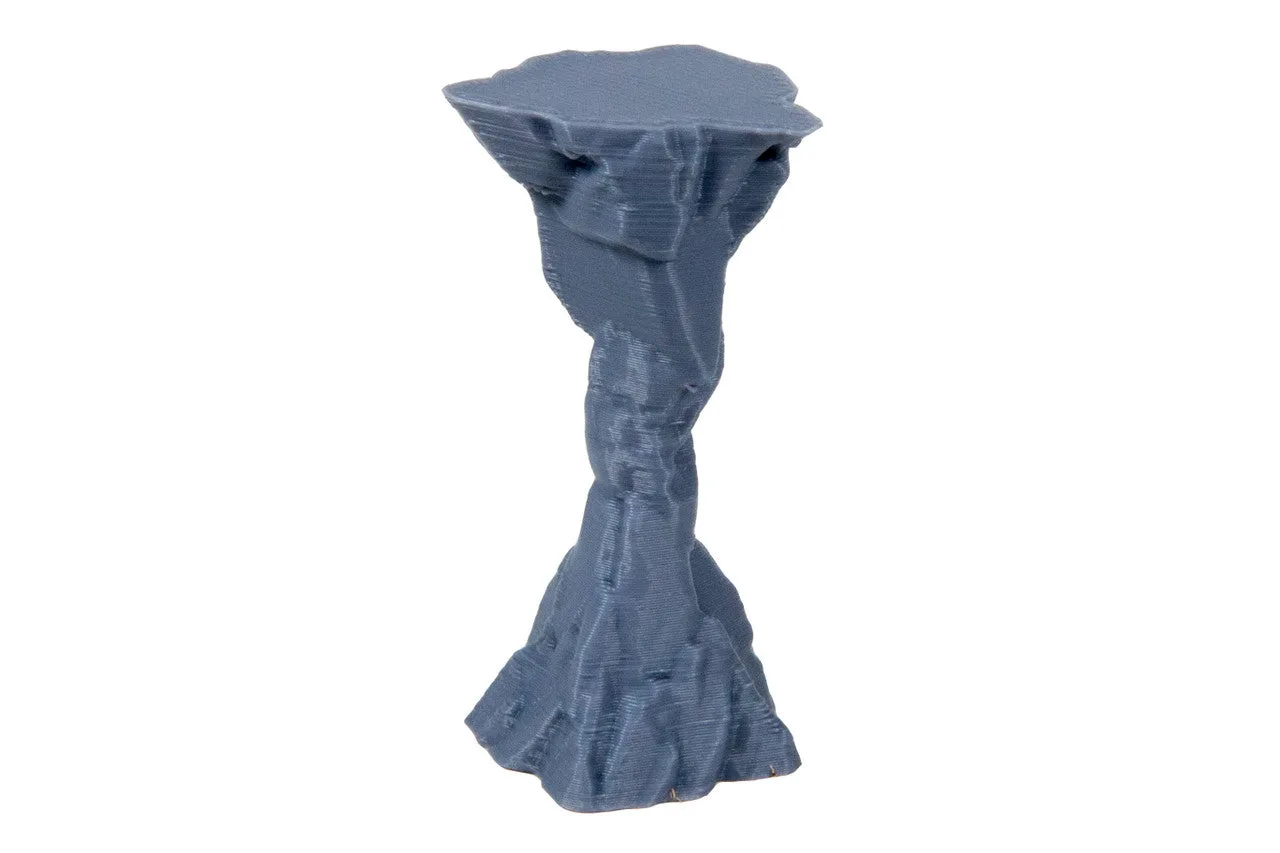
Rock Column (6)