Quick answer
Buy your cards in October, address envelopes in early November, write in batches through mid-November, and mail by the first week of December for a comfortable Christmas card timeline. If you send internationally or to APO/FPO addresses, mail by late November. If you're already behind, skip the apology and send a New Year's greeting instead.
Every year, the same thing happens: you spot a box of holiday cards in a store, buy it, and then the box sits on the counter until December 20. The cards aren't the problem. The missing piece is a card-sending schedule that matches how the postal system actually behaves in December.
This plan works backward from the mail, not forward from your to-do list. It assumes you have a job, a family, and roughly zero free evenings, so every step is small enough to finish in one sitting.
Why the deadline is earlier than you think
Domestic mail is slower in December because of volume, not because of any single cutoff. Cards dropped on December 20 often arrive after the holiday, which defeats the point of a holiday card. Working backward from a December 25 arrival, you want your cards in the mail by the first week of December.
International and military addresses need more room. Addresses outside the country, and APO/FPO destinations, are the two groups most likely to arrive late, so they go in the mail first, not last. If your list includes either, treat late November as your real deadline for those cards.
- Check your local post office's posted holiday cutoffs each year; they shift slightly.
- Hand-delivered cards can wait until the week before the holiday.
Step 1: Sort your list before you buy anything
Before shopping, split your list into three groups: people you see in person, domestic mail, and international or military mail. That one sort tells you how many cards you actually need and which ones must go out first. Most people overbuy because they count names instead of groups.
Count last year's list and subtract anyone you haven't spoken to in a year. A shorter list you finish beats a long list you abandon. Write the final number down; it's the number you shop with.
- Keep the list in a notes app or a journal so it's reusable next year.
- Note anyone who moved this year while you still remember.
Step 2: Buy cards in October
October is the sweet spot. Boxed cards, blank cards, and Christmas cards are all in stock, and you're not competing with the December rush. Buying early also gives you time to notice you need twelve more cards, which is a much easier problem in October than on December 18.
Buy a few extra beyond your count. Cards get smudged, envelopes get mangled, and someone always gets added to the list. Five to ten spares is plenty for most households.
- Check that the box includes envelopes before you leave the store.
- If you're signing cards from a couple or family, buy one style rather than mixing.
Step 3: Address envelopes in early November
Addressing is the slowest part of the whole process, so do it in one or two sittings before the writing starts. Return-address labels or a stamp save real time if your list is long. If you're handwriting, do it in batches of ten rather than all at once.
This is also the moment to update addresses. Text the two or three people you're unsure about now, while it's a normal question, instead of in December when it feels like a scramble.
- Stack addressed envelopes in the order you plan to mail them.
- Put a checkmark next to international and military envelopes so they don't get buried.
Step 4: Write in batches through mid-November
Writing is where most people stall, usually because they're trying to write something meaningful to forty people in one night. Don't. Write five to ten cards per sitting, and let the message be short. A specific line about something you remember from the year beats a paragraph of generic good wishes.
If handwriting is the bottleneck, a printed message with a handwritten signature is still a real card. Nobody has ever been disappointed to receive a card with your name written in pen.
- Write the international and military cards first so they can mail earliest.
- Keep a short list of message openers so you're not staring at a blank card.
Step 5: Mail in the first week of December
Mail domestic cards by the first week of December and international or military cards by late November. Drop them at the post office rather than a corner mailbox if you're near the deadline, since pickup times vary by location.
If you're running late, don't skip the card. Send it anyway. A card that arrives December 28 still does its job, and a New Year's greeting is a perfectly respectable option.
- Buy stamps before the December lines start.
- Mail in two trips if your list is large; it's faster than one giant stack at the counter.
Your holiday card checklist at a glance
- Sort the list: Split names into hand-delivered, domestic, and international or military. Checkpoint: you have a real number, not a guess.
- Buy in October: Pick up cards and a few spares while selection is full. Checkpoint: envelopes are included.
- Address in early November: Write envelopes in batches and confirm any addresses you're unsure about. Checkpoint: international and military envelopes are flagged.
- Write in batches: Five to ten cards per sitting, short and specific messages. Checkpoint: earliest-mail cards are written first.
- Mail by early December: Domestic cards go out the first week of December; international and military by late November. Checkpoint: stamps bought before the rush.
Cards and gifts that fit the timeline
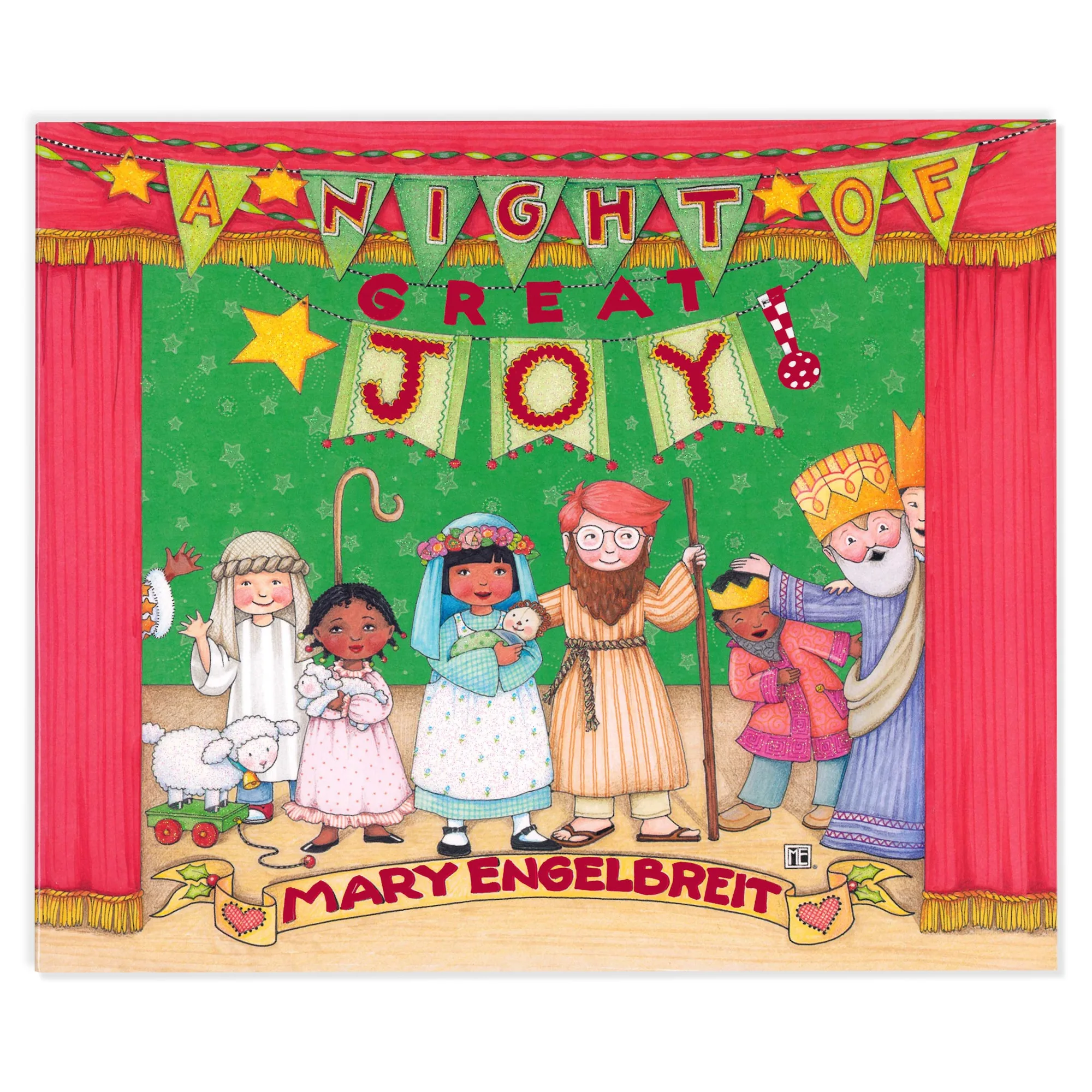
- A Night of Great Joy Book: A children's picture book that tells the nativity story through a children's Christmas pageant. A good add-on for families on your list, and it can ship alongside your cards rather than as a separate December errand.
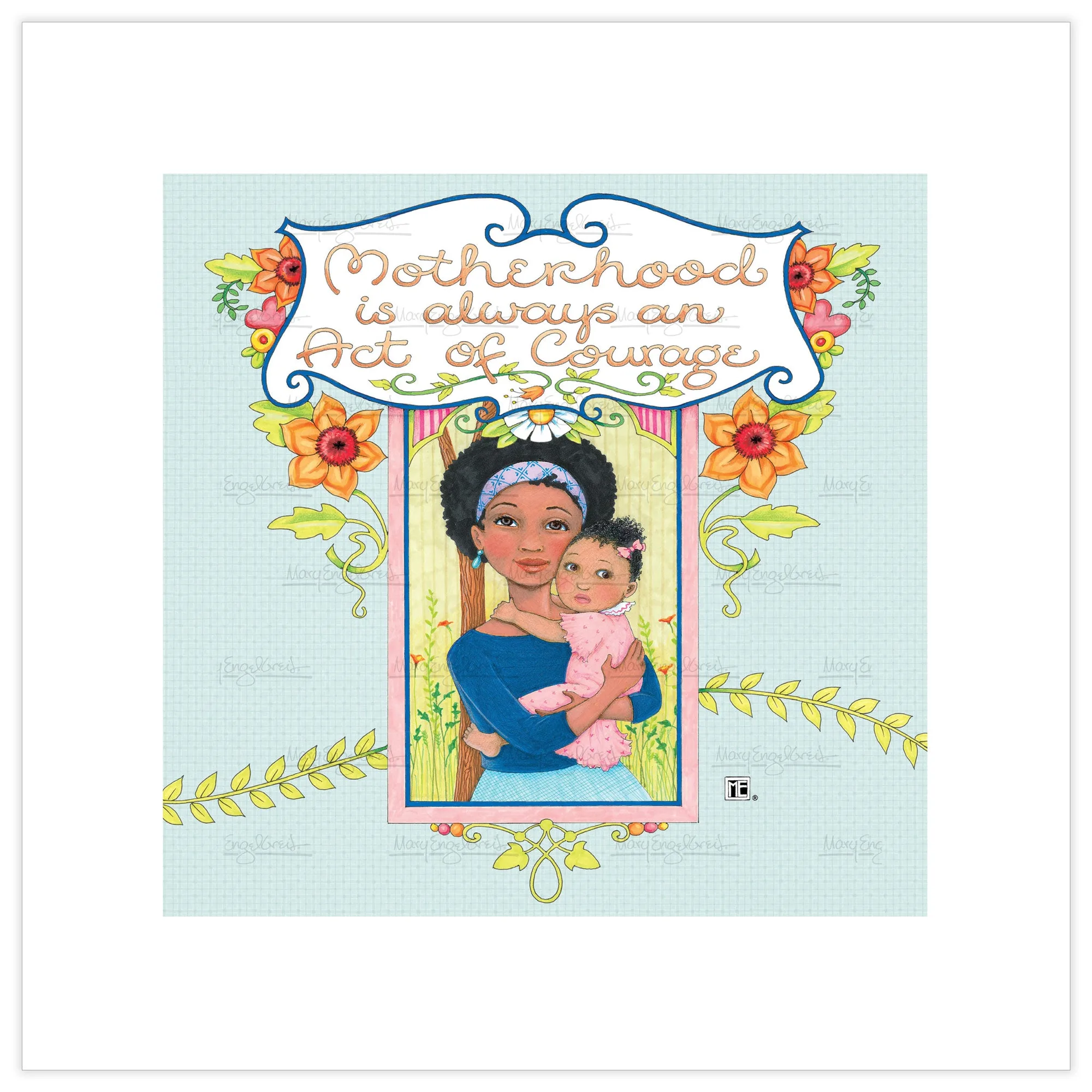
- Motherhood Fine Print: A fine print reading "Motherhood Is Always An Act Of Courage," printed on high-quality textured paper in standard frame sizes, available with Mary's signature, created to order with up to one week for processing. Because prints are made to order, order in November if you want it framed and given during the holidays.
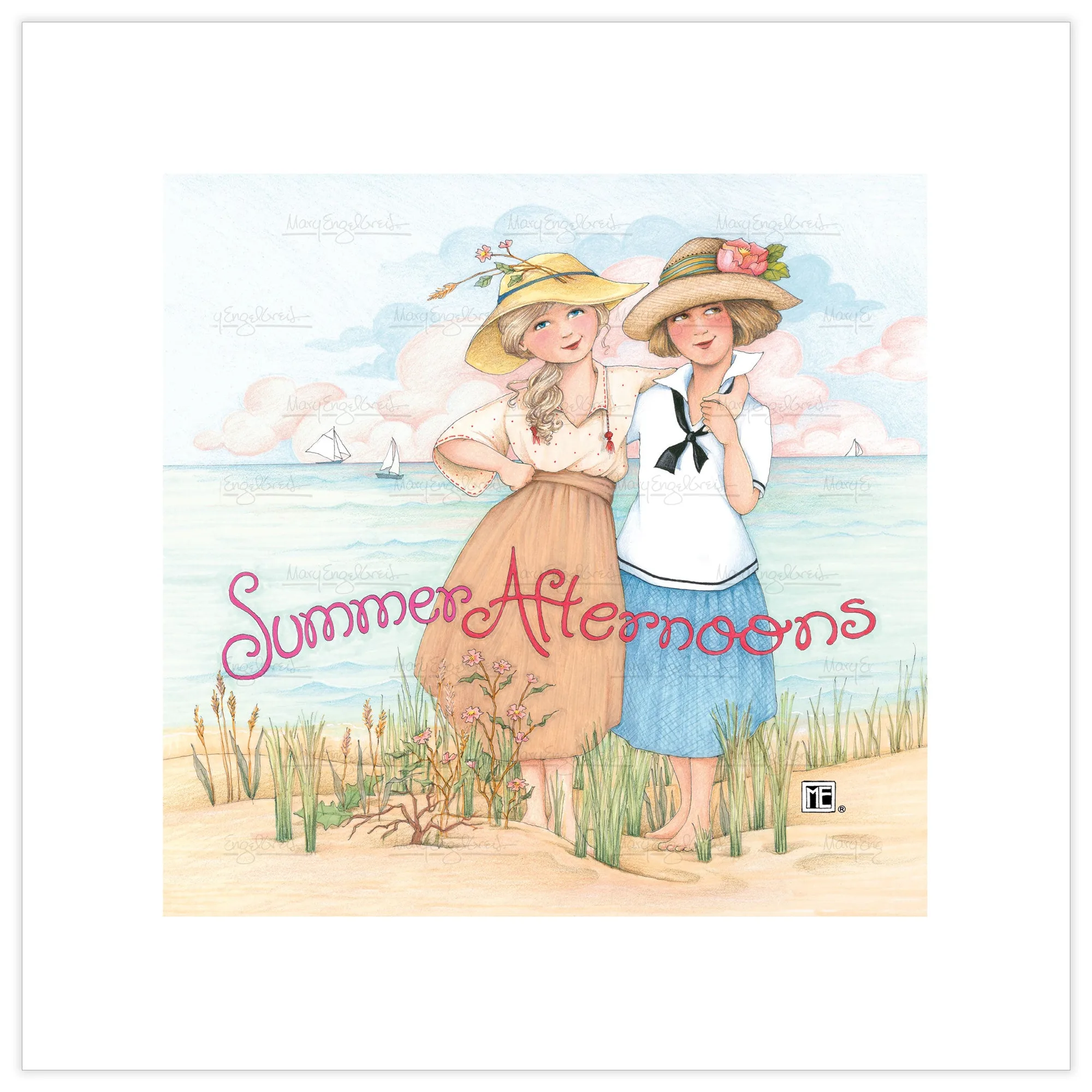
- Summer Afternoons Fine Art Print: A fine art print reading "Summer Afternoons," printed on high-quality textured paper in a standard frame size, available with Mary's signature, created to order with up to one week for processing. A low-stress gift for someone who's hard to shop for, as long as you build the one-week processing time into your schedule.
The card-sending schedule only works if you start before December, so put the October card purchase on your calendar now. If the season gets away from you anyway, send the cards late rather than not at all.