Quick answer
To season a new griddle, wash off factory oils, heat the griddle on high until it smokes, apply a thin layer of high-smoke-point oil, and let it polymerize. Repeat the oil-and-heat cycle 3–5 times for a durable non-stick surface before your first cook.
Why seasoning matters for your new griddle
Seasoning isn't just a nice-to-have—it creates a protective layer that prevents rust and gives you a natural non-stick cooking surface. Without it, food will stick, and the bare steel can corrode quickly, especially if you live in a humid area. The process bonds oil to the metal through heat, forming a hard, dark polymer coating that improves with each use.
Step-by-step seasoning process
- Wash and dry the griddle surface: Remove the protective factory coating by washing the griddle top with warm soapy water and a soft sponge. Rinse thoroughly and dry completely with a clean cloth or paper towels. Any leftover residue will cause uneven seasoning. Checkpoint: Wipe the surface with a dry paper towel—if you see any oil or dirt, wash again.
- Heat the griddle on high: Turn all burners to high and close the hood (if your model has one). Let the griddle heat for 10–15 minutes until the surface begins to smoke. This burns off any remaining factory oils and opens the pores of the steel. Common mistake: Don't rush this step—if the griddle isn't hot enough, the oil won't polymerize properly.
- Apply a thin layer of oil: Using a high-smoke-point oil like flaxseed, grapeseed, or canola, pour a small amount onto the griddle. Spread it evenly with a paper towel held by tongs—use just enough to coat the surface without pooling. Too much oil will create a sticky, gummy layer. Checkpoint: The surface should look glossy but not wet. If you see puddles, wipe them off before heating.
- Let the oil smoke and polymerize: Keep the burners on high and wait until the oil stops smoking. This usually takes 5–10 minutes. The surface will turn from silver to a light bronze or brown. That's the polymer layer forming. Common mistake: Don't walk away—if the oil smokes too long, it can burn and create a brittle layer that flakes off.
- Repeat the oil-and-heat cycle: Turn off the burners, let the griddle cool slightly (about 5 minutes), then apply another thin oil layer and heat again. Repeat this process 3–5 times. Each cycle adds a stronger, darker layer. After 3 cycles, the surface should be dark brown; after 5, nearly black. Checkpoint: After the final cycle, let the griddle cool completely. The surface should feel smooth and dry, not sticky.
- Cook your first meal: Once seasoned, your griddle is ready. Start with a fatty food like bacon, burgers, or fried rice—these add more oil and reinforce the seasoning. Avoid acidic foods like tomatoes or vinegar-based sauces for the first few cooks. Next step: After cooking, scrape off food residue, wipe with a paper towel, and apply a very light oil coat before storing.
Griddle models that make seasoning easier
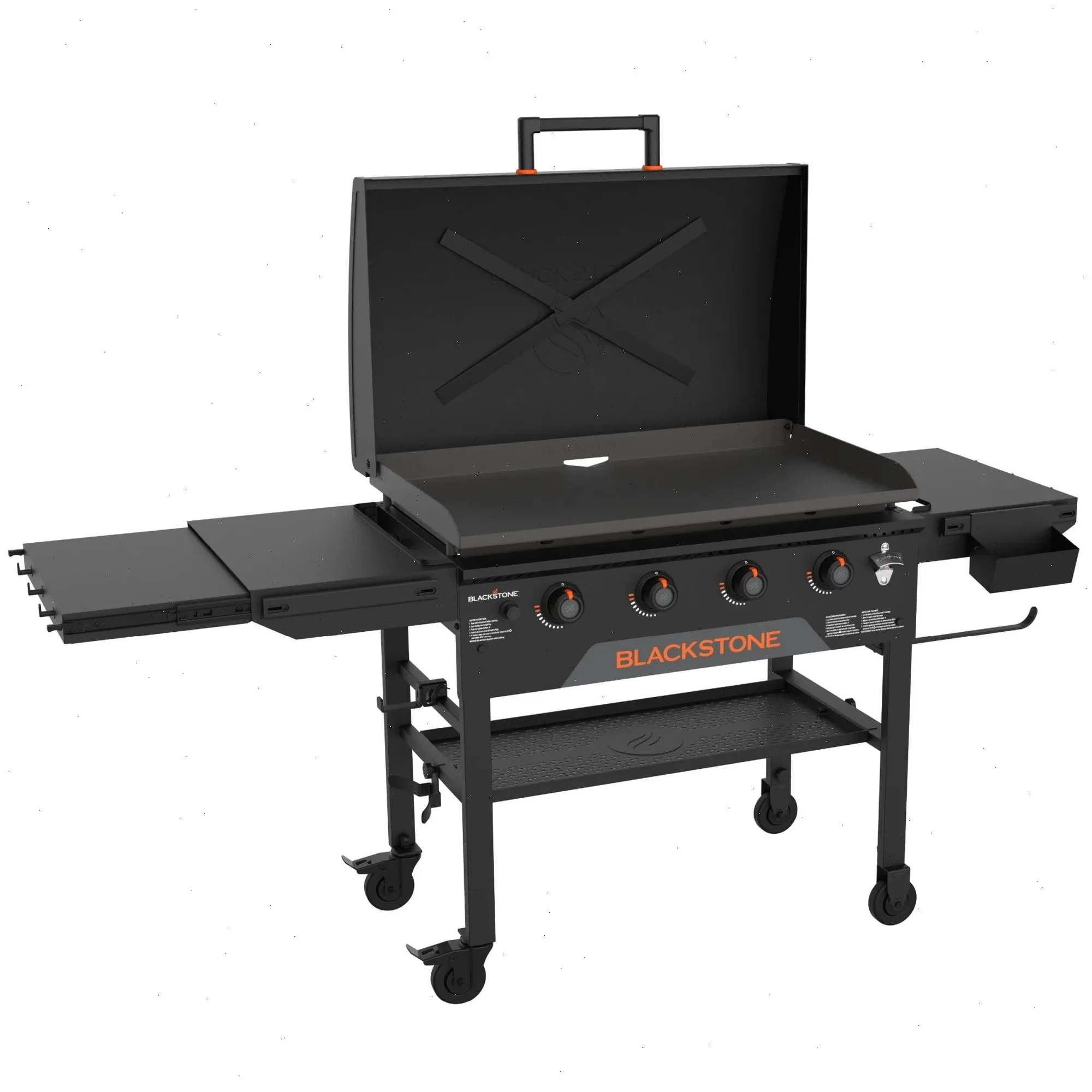
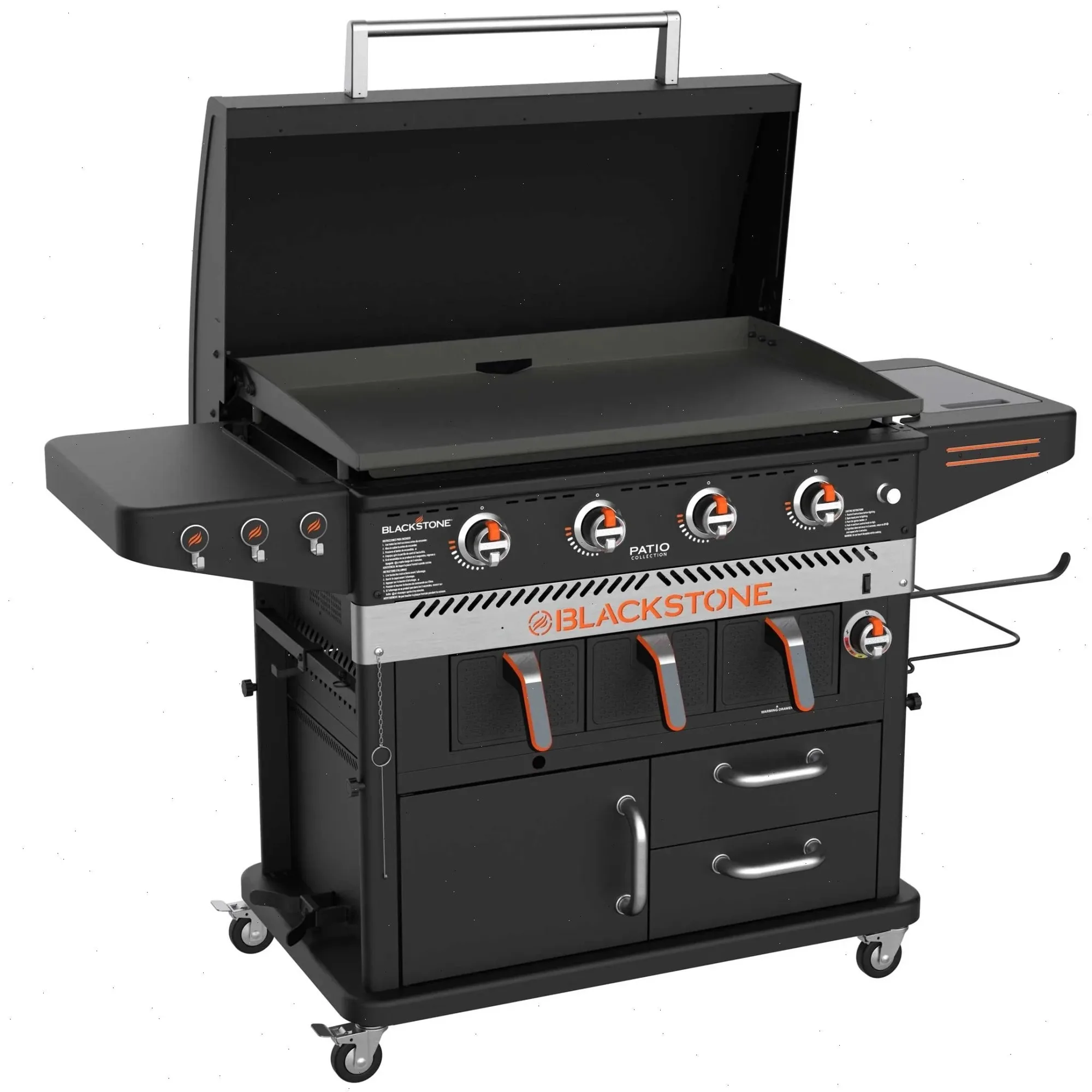
- 28” Omnivore Griddle with Hood: The 28" Omnivore Griddle with Hood features an Omnivore Griddle Plate designed for even heat distribution, eliminating hot spots for consistent seasoning results. Even heat means every inch of the surface polymerizes at the same rate, so you get a uniform seasoning layer without patchy spots that can lead to sticking or rust.
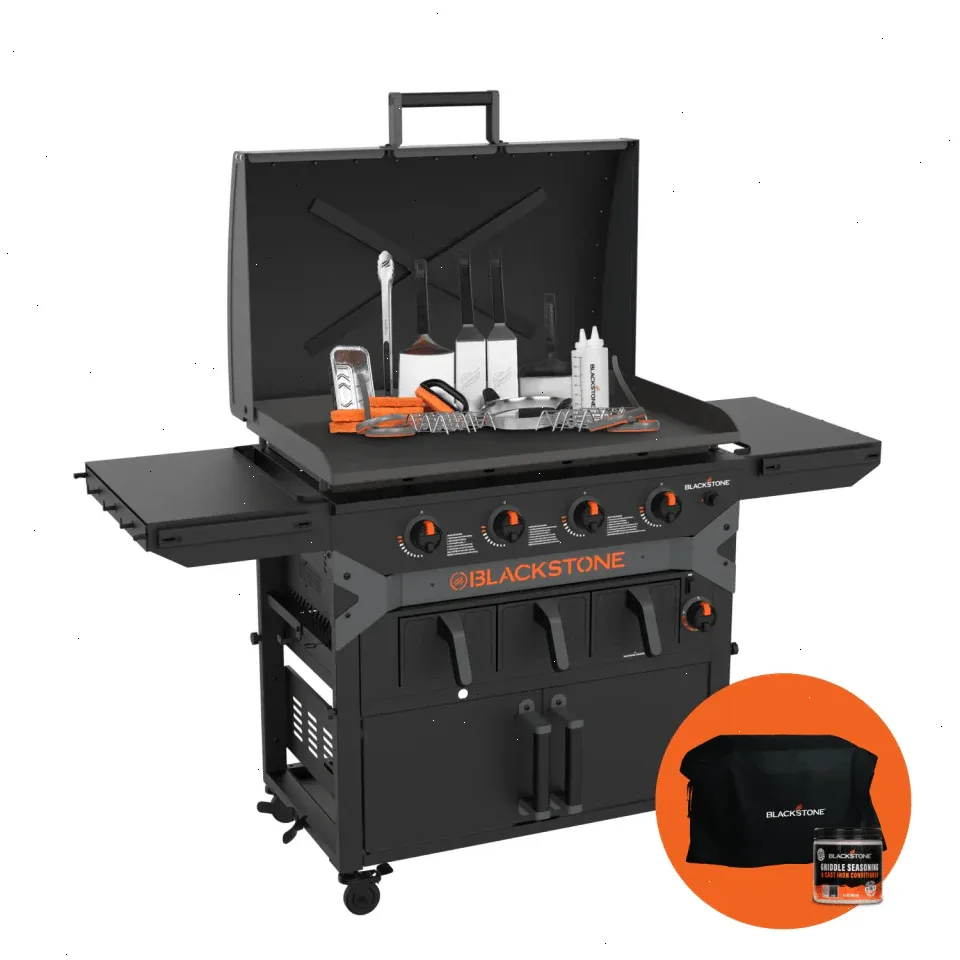
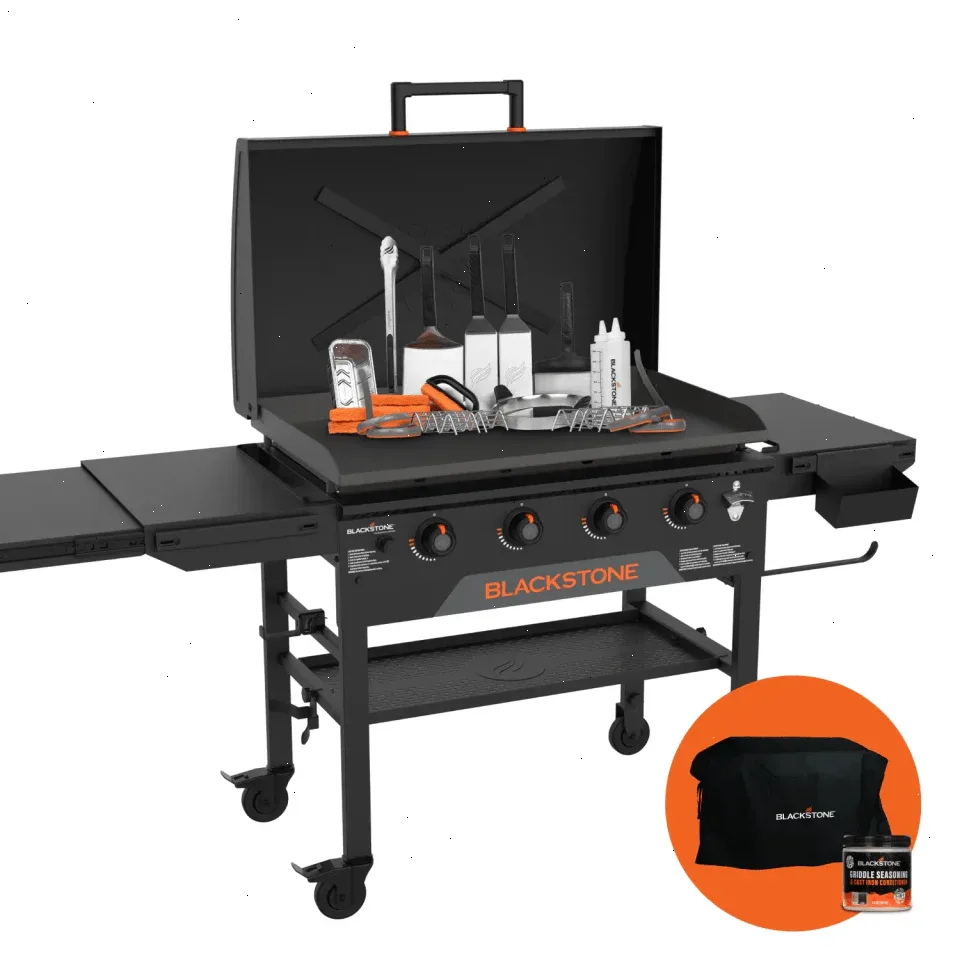
- Original 36" Griddle with Hood: The Original 36" Griddle with Hood offers four independently controlled heat zones, allowing you to season and cook different sections at different temperatures. Multiple heat zones let you season a large surface in stages or keep one area warm while cooking on another—ideal for big breakfasts or batch cooking right after seasoning.