When you think of a Baking Steel, pizza probably comes to mind first. But this versatile piece of steel is a powerhouse for roasting too. Its ability to absorb, store, and radiate heat evenly makes it perfect for getting that restaurant-quality sear and caramelization on vegetables and meats right in your home oven.

Baking Steel
In this guide, we'll explore how to use your Baking Steel for roasting, from preheating techniques to specific tips for vegetables and meats. Whether you're using the classic Baking Steel or the reversible Baking Steel Griddle, you'll soon discover that roasting on steel is a game-changer.
Why Use a Baking Steel for Roasting?
A Baking Steel excels at heat retention and conductivity. Unlike thin baking sheets that can warp or cause uneven cooking, a steel slab provides a consistent, high-heat surface that helps foods brown and crisp faster. This is especially beneficial for roasting, where high heat is key to achieving caramelization and locking in moisture.
Using steel for roasting also adds versatility to your kitchen. You can go from roasting vegetables to searing a steak or even baking bread, all with the same tool. The even heat distribution reduces hot spots, ensuring your food cooks uniformly.
- Achieve a perfect sear on meats without a cast-iron skillet
- Roast vegetables that are caramelized on the outside and tender inside
- Use the same steel for pizza, bread, and roasting – maximum versatility
Preheating Your Baking Steel for Roasting
The key to successful roasting on steel is a thorough preheat. Place your Baking Steel on the middle or lower rack of your oven and preheat to the desired temperature – typically 425°F to 475°F for roasting. Let the steel preheat for at least 30 minutes to ensure it reaches the oven's temperature and is radiating heat evenly.
For the best results, place the food directly on the hot steel. If you're concerned about sticking, you can lightly oil the surface or use parchment paper (though parchment may not give the same direct heat). The steel's intense heat will quickly sear the surface of the food, creating a delicious crust.
- Always preheat the steel for at least 30 minutes
- Use a high smoke point oil like avocado or grapeseed for brushing vegetables and meats
- Leave space between pieces for proper air circulation
Roasting Vegetables on Steel
Roasting vegetables on a Baking Steel is a revelation. The high, even heat caramelizes natural sugars, bringing out sweetness and depth of flavor. Root vegetables like carrots, potatoes, and Brussels sprouts become crispy on the outside while staying creamy inside. Try tossing them in olive oil, salt, and your favorite herbs before placing them directly on the steel.
For best results, cut vegetables into uniform sizes to ensure even cooking. Preheat your steel, then arrange the vegetables in a single layer. Roast until they are golden brown and fork-tender, typically 20-30 minutes depending on the vegetable. You'll love how the steel gives them a beautiful char that's hard to achieve on a regular baking sheet.
- Use the Baking Steel Griddle for a stovetop roasting option
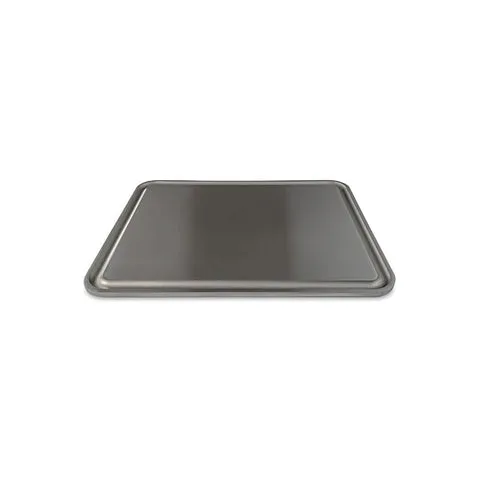
the Baking Steel Griddle
- For extra crispy edges, flip vegetables halfway through cooking
- Try roasting cherry tomatoes until they burst – perfect for pasta
Roasting Meats on Steel
Meat lovers will appreciate the perfect sear that a Baking Steel delivers. Whether you're roasting chicken thighs, pork chops, or a beef roast, the steel's high heat creates a crust that locks in juices. For thicker cuts, consider searing on the steel first, then finishing in the oven to your desired doneness.
One of the best things about using steel for meat is that you get a stovetop-quality sear without needing a separate pan. The steel's mass maintains its temperature even when you add cold meat, so you get a consistent sear. For a complete meal, you can roast vegetables on the same steel after the meat is done – the residual flavor will enhance the veggies.
- Pat meat dry before placing it on the hot steel for a better sear
- Let meat rest after roasting to retain juices
- Use a meat thermometer to ensure perfect doneness
Tips for Using the Baking Steel Griddle for Roasting
If you have the Baking Steel Griddle, you can also roast on the stovetop. The griddle's flat surface is perfect for searing and roasting smaller cuts of meat and vegetables. Preheat the griddle over medium-high heat, then add your food. The reversible design means you can use it as a griddle or a flat top, making it incredibly versatile.
For oven roasting, the griddle works just like the original steel, but its larger surface area is great for cooking for a crowd. You can also use it to roast vegetables and meats simultaneously – just arrange them in sections. The griddle's edges help contain juices and make cleanup easier.
- Use the griddle's smooth side for roasting, the ridged side for grilling marks
- Season the griddle lightly with oil before each use
- For stovetop roasting, use a splatter guard to keep your cooktop clean
Cleaning and Maintenance After Roasting
After roasting, your Baking Steel will have some buildup. Let it cool completely, then scrape off any food residue with a metal spatula or a dedicated cleaning brick. Avoid using soap, as it can strip the seasoned surface. Instead, rinse with hot water and dry thoroughly to prevent rust.
If you notice any sticky spots, you can heat the steel briefly and wipe it down with a paper towel. Regular seasoning – rubbing a thin layer of oil after cleaning – will keep your steel in top condition. For more detailed care, check out our complete guide to cleaning and maintaining your Baking Steel.
- Never submerge your steel in water
- Use a cleaning brick for stubborn residue
- Store in a dry place to prevent rust
Roasting vegetables and meats on a Baking Steel is an easy way to elevate your home cooking. The even heat and excellent heat retention give you professional-level results every time. Ready to try it? Explore our range of Baking Steel products, including the versatile Baking Steel Griddle, to start roasting like a pro.