Quick answer
Teeth whitening sensitivity usually comes from the whitening ingredient reaching the tooth's nerve through tiny channels in enamel and dentin, or from irritation of gums and soft tissue. It is often temporary, but you can reduce it by using a sensitive-formula toothpaste, shortening contact time, whitening less often, and keeping gel off your gums. If pain is sharp, lasts more than a few days after you stop, or comes with gum swelling or white patches, stop whitening and see a dentist.
Why whitening gel can make teeth feel sensitive
Whitening gels work by releasing oxygen-based ingredients that break down stain molecules. Those ingredients can also pass through microscopic pores in enamel and reach the dentin and pulp, where they trigger temporary nerve sensitivity. The effect is usually proportional to how much gel you use, how long it stays on your teeth, and how often you whiten. Gum irritation is a separate issue: gel that sits on soft tissue can cause burning or redness, which people sometimes describe as sensitivity.
How to reduce whitening sensitivity with gel
Start with a small amount of gel and a shorter contact time than you think you need. If your product allows it, apply gel only to the front surfaces of teeth and keep it away from the gum line. Brushing with a desensitizing toothpaste for a week before and during whitening can help calm nerve response. Avoid brushing immediately before applying gel, since micro-abrasions in enamel can increase sensitivity. Also skip acidic drinks like citrus juice or soda right before and after whitening, as acid softens enamel temporarily.
- Use a pea-sized amount or less per application.
- Keep gel off gums and soft tissue.
- Wait at least 30 minutes after eating or drinking before whitening.
- Do not brush aggressively right before applying gel.
Adjusting how often you whiten
Whitening too often is one of the most common causes of lingering sensitivity. Most at-home gels are designed for daily use for a set period, not continuous use indefinitely. If you feel sensitivity building, skip a day or two between applications rather than pushing through. Once you reach your desired shade, switch to occasional maintenance rather than daily whitening. If your teeth still feel sensitive after a break, extend the break before resuming.
When sensitivity means stop, not adjust
Some sensitivity is a signal to change your routine; some is a signal to stop. Sharp, shooting pain that lingers after you remove the gel, pain that wakes you at night, or sensitivity that continues for more than a few days after you stop whitening are reasons to pause and see a dentist. The same goes for gum swelling, white burn-like patches on gums, or tooth pain when you bite down. These can indicate enamel wear, gum inflammation, or a cavity that whitening gel will not fix.
Sensitivity diagnosis: symptom, cause, action, stop point
- Mild tingling during or right after whitening: This is the most common form of teeth whitening sensitivity. It usually comes from the whitening ingredient reaching the nerve through enamel pores. Try using a desensitizing toothpaste for a week, apply a thinner layer of gel, and shorten contact time. If tingling fades within an hour and does not worsen over days, you can continue with a reduced routine.
- Gum burning or redness after gel application: This is whitening gel irritation, not tooth sensitivity. Gel likely touched your gums or you used too much. Wipe excess gel from gums immediately, apply a barrier like petroleum jelly to the gum line before whitening, and use a pen for more precise placement. If redness or swelling persists more than 24 hours, stop whitening and see a dentist.
- Sharp pain that lingers or worsens with each session: This suggests your enamel or gums need a break, or that a cavity or crack is involved. Stop whitening completely, use desensitizing toothpaste, and avoid acidic foods for a few days. If pain continues more than 3 days after stopping, or you feel pain when biting, book a dental check before resuming any whitening.
Product facts for sensitive whitening routines
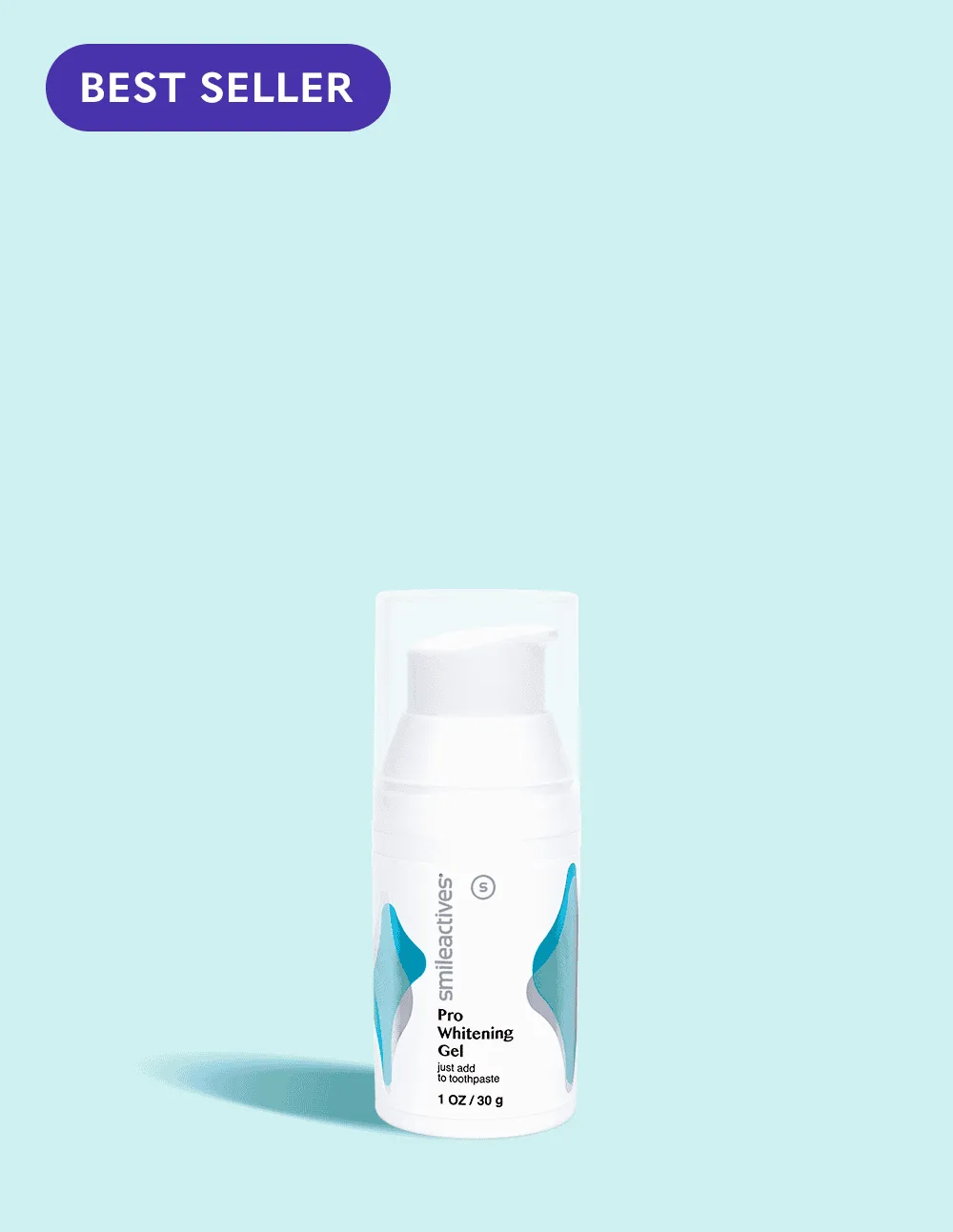
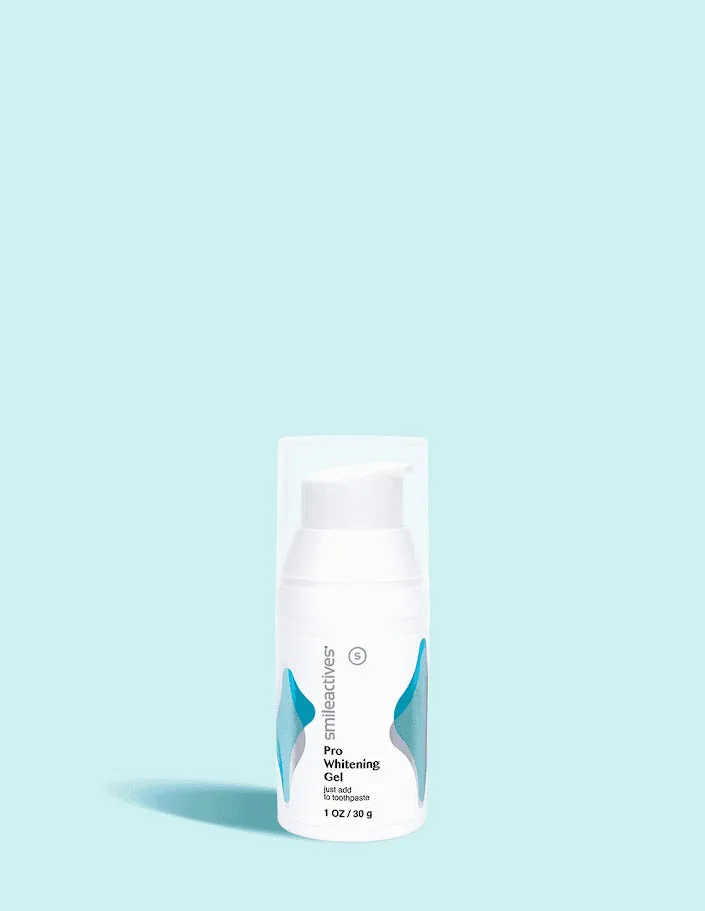
- Teeth Whitening Gel (1oz): Teeth Whitening Gel (1oz) is formulated with Polyclean® technology and a super-oxygenated micro foam to lift surface stains. A single gel you add to your toothpaste lets you control the amount and contact time, which helps you dial down intensity if sensitivity appears.
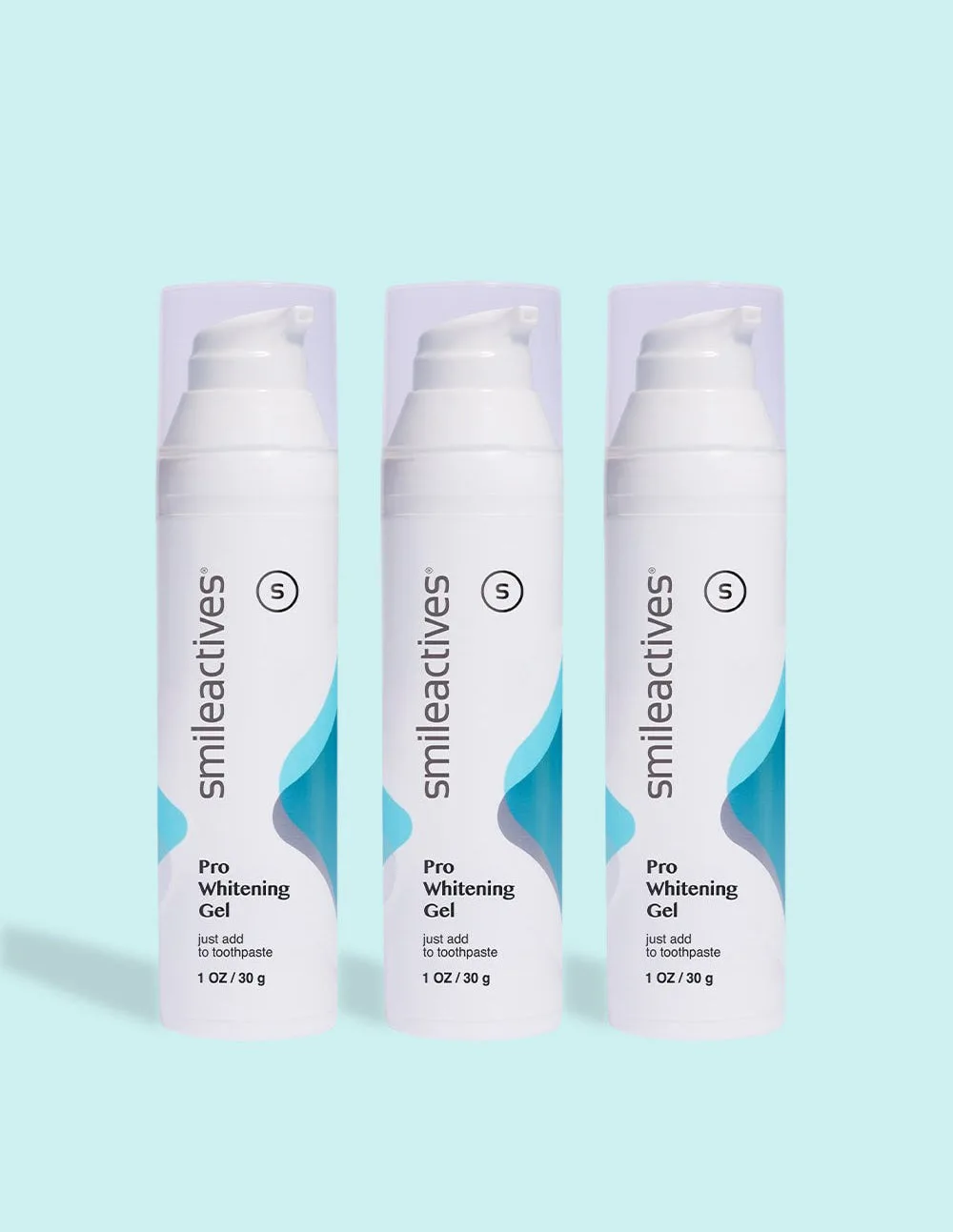
- Pro Whitening Gel Trio (Small): https://smileactivesxc.com/products/pro-whitening-gel-295958https://smileactivesxc.com/products/pro-whitening-gel-295967https://smileactivesxc.com/products/pro-whitening-gel-295969https://smileactivesxc.com/products/pro-whitening-gel-295981Pro Whitening Gel Trio (Small) contains the same Pro Whitening Gel formula in a three-unit set. Having multiple small tubes makes it easier to pace applications and take rest days without running out mid-routine.
- Pro Whitening Gel: Pro Whitening Gel is a teeth whitening gel designed for at-home use in a pen or gel format. A pen format can give more precise placement on tooth surfaces and help you avoid applying gel to gums, a common cause of irritation.