Quick answer
Measure your nipple diameter (not the areola) and add 2–4 mm to find your flange size. A correct fit pulls only the nipple into the tunnel without rubbing the areola. Most people need a 21 mm, 24 mm, or 27 mm flange, but sizes vary by brand.
How to measure for the correct flange size
To find your correct flange size, measure your nipple diameter before pumping. Use a ruler or a soft measuring tape and measure across the widest part of the nipple at the base. Do not include the areola. Write down the measurement in millimeters. Add 2–4 mm to that number to allow room for the nipple to move freely inside the tunnel. For example, if your nipple measures 17 mm, a 19–21 mm flange is likely a good starting point.
If you do not have a ruler, many pump brands offer a printable sizing guide on their website. Some also sell a flange sizing kit with sample rings so you can test sizes before buying a full set. Testing is more accurate than guessing because nipple size can change during the first few weeks of breastfeeding.
Signs your flange fit is wrong
A poor flange fit reduces milk output and can cause pain. Look for these signs: nipple rubbing against the tunnel wall, areola pulled into the tunnel, nipple turning white or blue after pumping, or visible friction marks. If you experience any of these, try a different size. Going up one size often solves friction, while going down one size can fix a tunnel that is too wide and pulls in areola tissue.
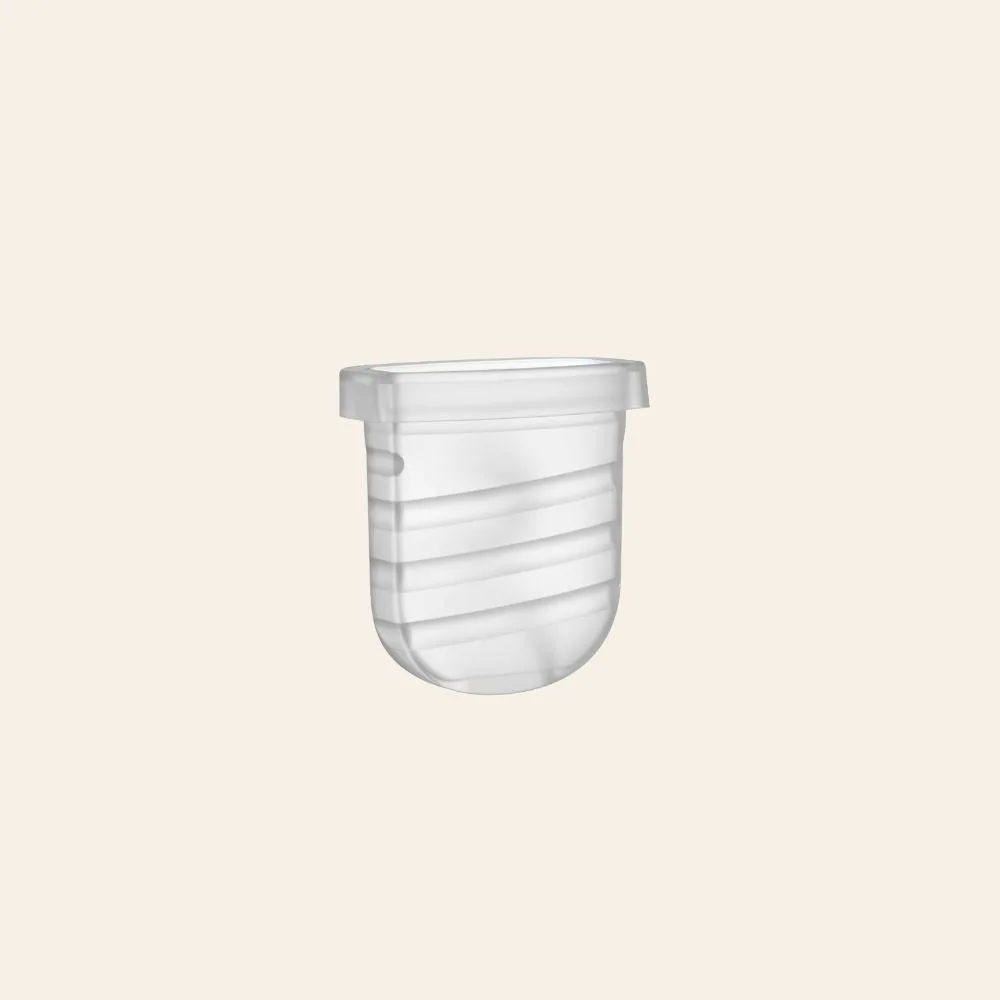
Keep in mind that flange size is not the only factor. Pump suction level, flange material (hard plastic vs. soft silicone inserts), and pumping duration also affect comfort. If sizing changes do not help, consider a silicone flange insert for a gentler feel.
Decision rules for flange sizing
- Measure dry, not after nursing: Nipple size changes after a feeding or pumping session. Measure when your breast is at its baseline, usually before a feeding. Check your measurement at the same time of day for consistency.
- Add 2–4 mm to nipple diameter: A flange tunnel should be slightly larger than your nipple to allow free movement. If the tunnel is too narrow, the nipple will rub and cause pain. If too wide, areola tissue will be pulled in. Use the nipple diameter + 2–4 mm as your starting size.
- Watch for visible movement: During pumping, the nipple should glide in and out of the tunnel without touching the sides. If you see the areola moving in and out, the flange is too large. If the nipple looks compressed or flattened, the flange is too small. Stop pumping and switch sizes if you see either sign.
Products that support flange fit
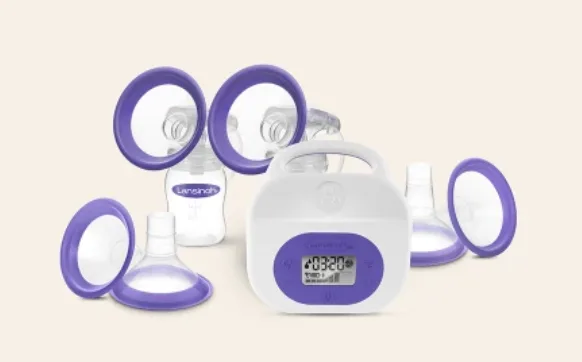
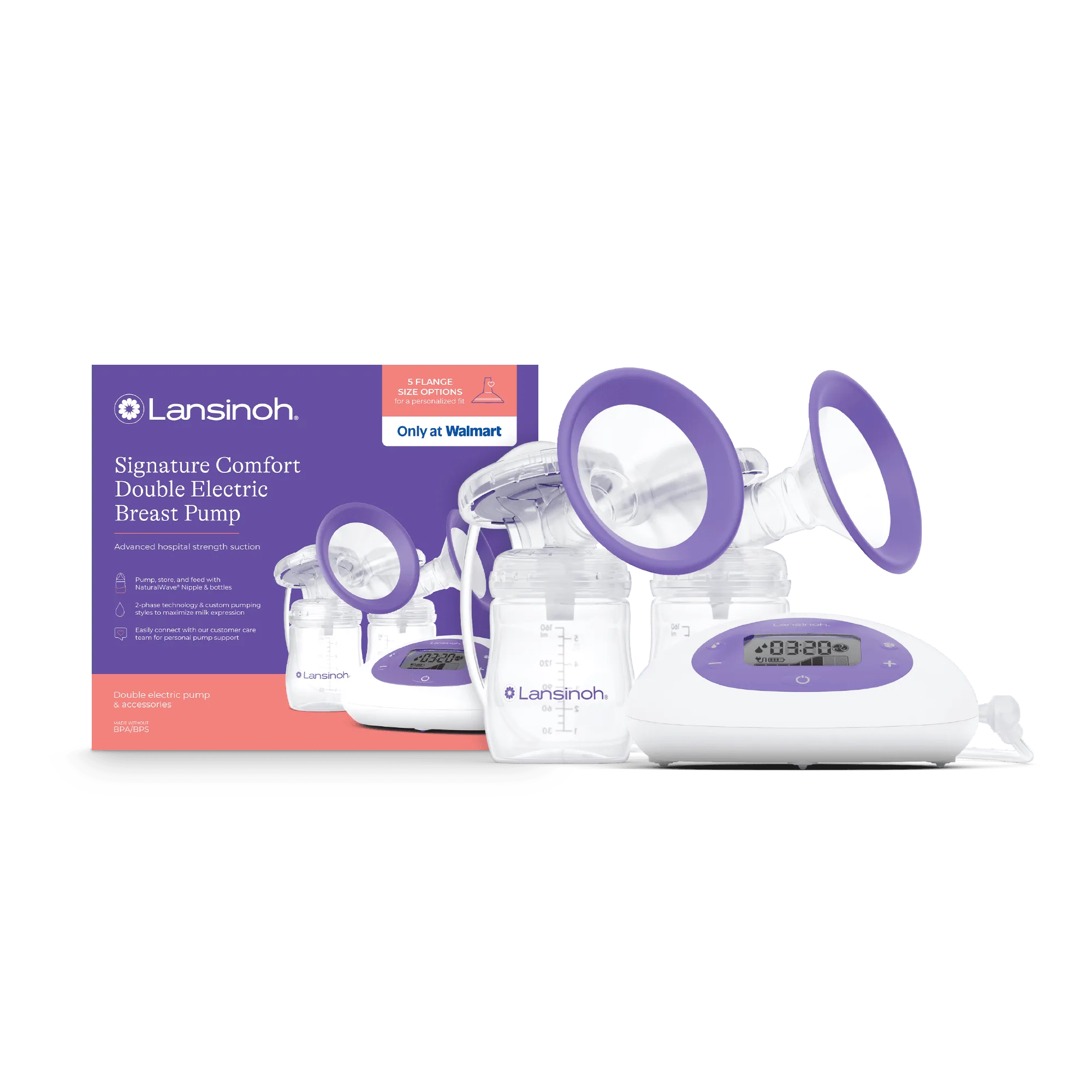
- Signature Comfort Double Electric Breast Pump: The Lansinoh Signature Comfort Double Electric Breast Pump comes with two sizes of ComfortFit flanges (standard 25mm and large 30.5mm) to help you find a better fit. Having two flange sizes in the box lets you try both and see which one feels more comfortable before buying additional sizes.
- Manual Breast Pump: The Lansinoh Manual Breast Pump includes two sizes of ComfortFit flanges (standard 25mm and large 30.5mm) and an ergonomic handle for comfortable occasional use. If you pump only occasionally, a manual pump with included size options saves you from buying separate flanges while still offering fit flexibility.
Who should use this flange sizing approach
Best for
- New pumpers who want to avoid pain and maximize output from the start
- Anyone experiencing nipple discomfort or low milk volume during pumping
Not for
- People who already use a silicone flange insert and have no fit issues
- Those with very elastic nipple tissue that may need a different type of flange altogether