Quick answer
For most households, two cast iron skillets cover nearly everything: a 10.25-inch for eggs, sides, and two-person meals, and a 12-inch for steak, stir-fries, and cooking for four. If you are starting from zero, a set with both sizes plus a griddle saves money and decision fatigue. Buy a single skillet only if you cook for one or two and have very limited storage.
Why skillet diameter is not the whole story
Cast iron skillet sizes are listed by top diameter, but usable cooking surface is smaller because the walls slope inward. A 10.25-inch skillet gives roughly 8.5 to 9 inches of flat cooking area, while a 12-inch gives about 10 to 10.5 inches. That difference decides whether two chicken thighs fit without crowding or whether a steak can sear without steaming.
Depth and weight also change with size. Larger skillets are heavier, which can matter if you have wrist or grip issues, and they heat more slowly on the stovetop. A 12-inch skillet on a small burner can develop a hot center and cooler edges, so match the pan to your burner as well as your recipe.
10-inch vs 12-inch skillet: what each size actually does well
A 10.25-inch skillet is the most-used size for a reason. It heats evenly on standard burners, fits two to three eggs without spreading them thin, and is light enough to handle one-handed when hot. It is the right pick for sauteed vegetables, cornbread for two, and single portions of protein.
A 12-inch skillet is the workhorse for high-heat searing and family meals. It gives you room to lay a ribeye or two strip steaks without touching, which is the best size skillet for steak because crowding traps moisture and prevents a proper crust. It also handles a full pound of ground meat, a whole chicken cut into pieces, or a large stir-fry.
The trade-off is weight and stovetop fit. A 12-inch skillet is noticeably heavier and may overhang a small burner. If you cook mostly for one or two people, the 10.25-inch will do 80 percent of the work, and the 12-inch becomes a specialty pan for steak night or batch cooking.
What size skillet for eggs and other small tasks
For eggs, smaller is better. An 8-inch skillet is ideal for one or two fried eggs, a single omelet, or a small batch of scrambled eggs because the eggs stay deep enough to cook evenly instead of spreading into a thin sheet. A 10.25-inch works for two to three eggs but gives you less control over shape.
The same logic applies to toasted nuts, blooming spices, and melting butter for a finish. A small skillet heats fast and keeps you from scorching a tiny amount of food in a large pan. If you already own a 10.25-inch, an 8-inch is a useful add-on rather than a duplicate.
When a cast iron skillet set makes sense
A cast iron skillet set is usually the better value if you are outfitting a first kitchen or replacing mismatched pans. Sets bundle the sizes that cover the most cooking tasks, often at a lower total price than buying each piece separately, and they sometimes include care accessories you would buy anyway.
The risk is paying for a size you never use. Before buying a set, check your storage: stacked cast iron is heavy, and a rarely used 12-inch pan still takes up cabinet or oven space. If you already own one good skillet, add only the missing size instead of buying a full set.
Decision rules: choose your skillet size in three questions
- How many people do you cook for on a normal night?: One or two people: start with a 10.25-inch skillet. Three or four people: make a 12-inch your primary pan. Five or more: you will want both sizes, plus a griddle for sides. Match the pan to your typical portion count, not your largest holiday meal.
- What do you cook most often?: Eggs, sauteed vegetables, and single portions point to 8-inch and 10.25-inch skillets. Steak, stir-fry, and batch cooking point to 12 inches. If you do both, buy the 10.25-inch first and add the 12-inch when you can store it. Buy for your weekly cooking, then add specialty sizes.
- Do you already own a cast iron skillet?: If yes, identify the size you have and buy only the missing size. If no, a set that includes 8-inch, 10.25-inch, and a griddle gives you the most flexibility for the money. Avoid buying a second pan in a size you already own.
Products that match these size decisions
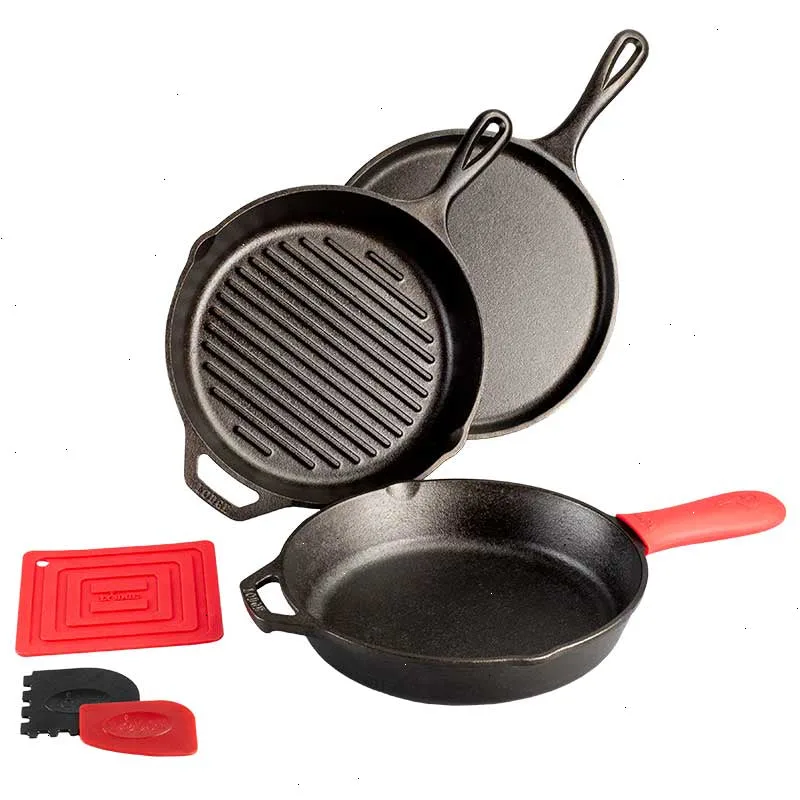
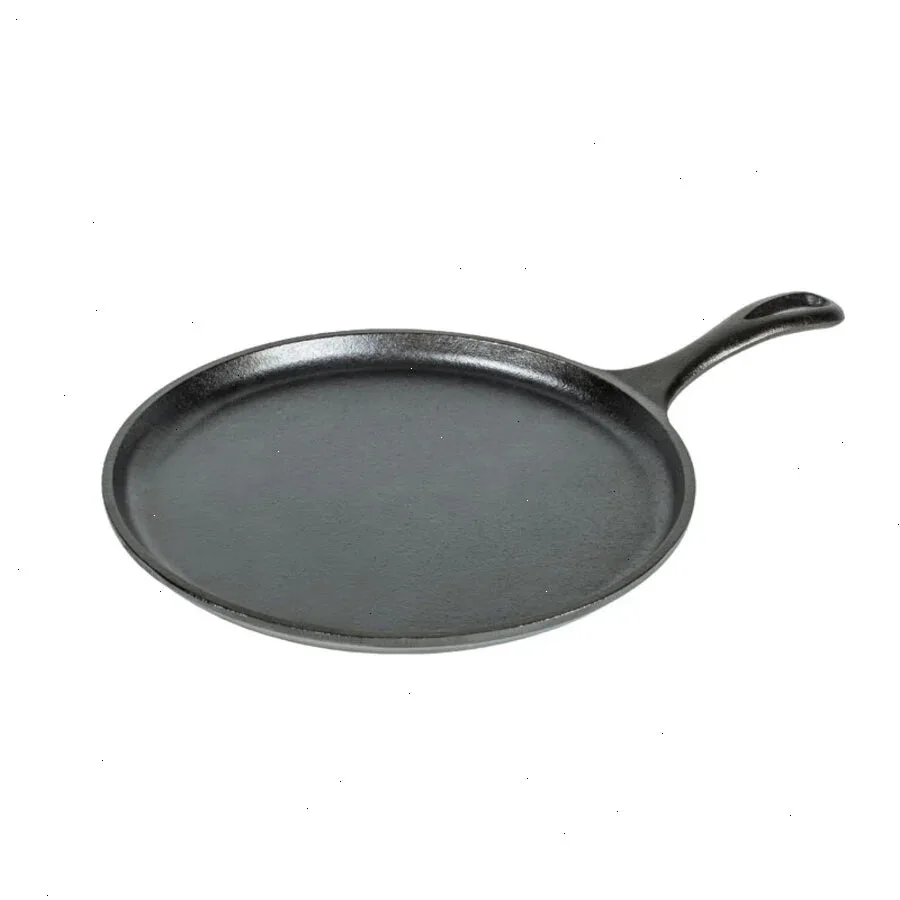
- Seasoned Cast Iron Starter Set: Seasoned Cast Iron Starter Set includes an 8 Inch Cast Iron Skillet, a 10.25 Inch Cast Iron Skillet, a 10.5 Inch Round Cast Iron Griddle, a 10.25 Inch Round Grill, plus cleaning and care accessories. This set covers the small-egg pan, the daily 10.25-inch, and a griddle for pancakes or bacon in one purchase, so a beginner does not have to guess which sizes to buy first.
Cast Iron Griddle
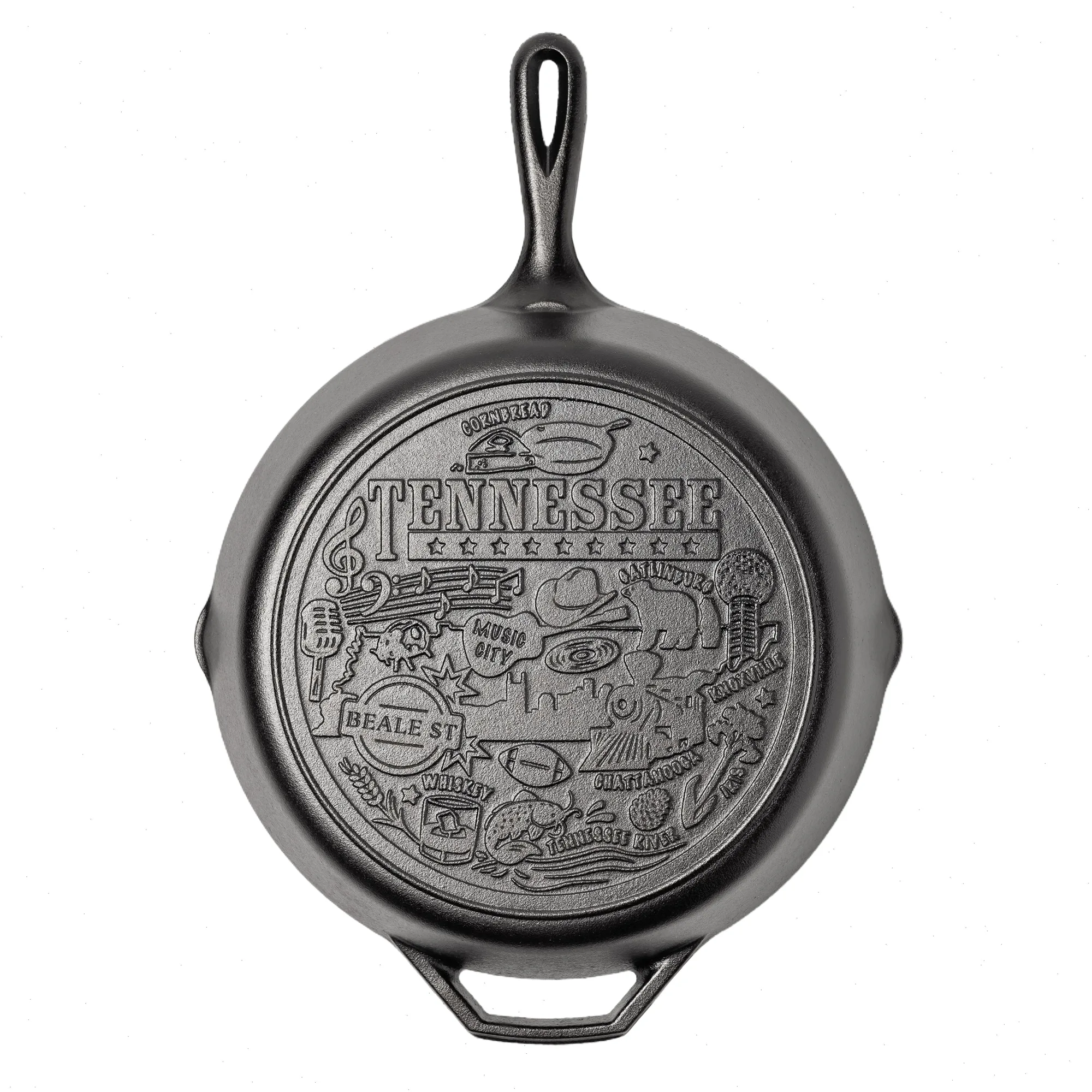
- American Road Trip: 12 Inch Seasoned Cast Iron Skillet, Florida: American Road Trip: 12 Inch Seasoned Cast Iron Skillet, Florida is a special edition 12-inch skillet in the American Road Trip series. If you already own a 10.25-inch and want a larger pan for steak or family meals, this adds the 12-inch size without duplicating what you have, and the state design makes it a gift option.
- Seasoned Cast Iron Care Kit: Seasoned Cast Iron Care Kit includes a seasoning spray made of 100% canola oil, a polycarbonate Pan Scraper, a Silicone Handle Holder that protects up to 500° F, and a Scrub Brush with stiff bristles. Larger skillets are heavier and get hotter, so the handle holder and scraper make daily use and cleanup easier, especially when you are adjusting to a new 12-inch pan.
Who should buy which size
Best for
- Singles and couples who cook eggs, vegetables, and small proteins: 8-inch and 10.25-inch skillets
- Families of three or four who sear steak, brown ground meat, or cook one-pan dinners: 12-inch skillet
- First-time cast iron buyers who want the core sizes and care tools in one purchase: a starter set
Not for
- Cooks with very limited cabinet space who already own a 10.25-inch skillet: skip the set and buy only the size you are missing
- Anyone with wrist or grip limitations who needs a lightweight pan: cast iron is heavy, and a 12-inch skillet may be difficult to handle when hot