Quick answer
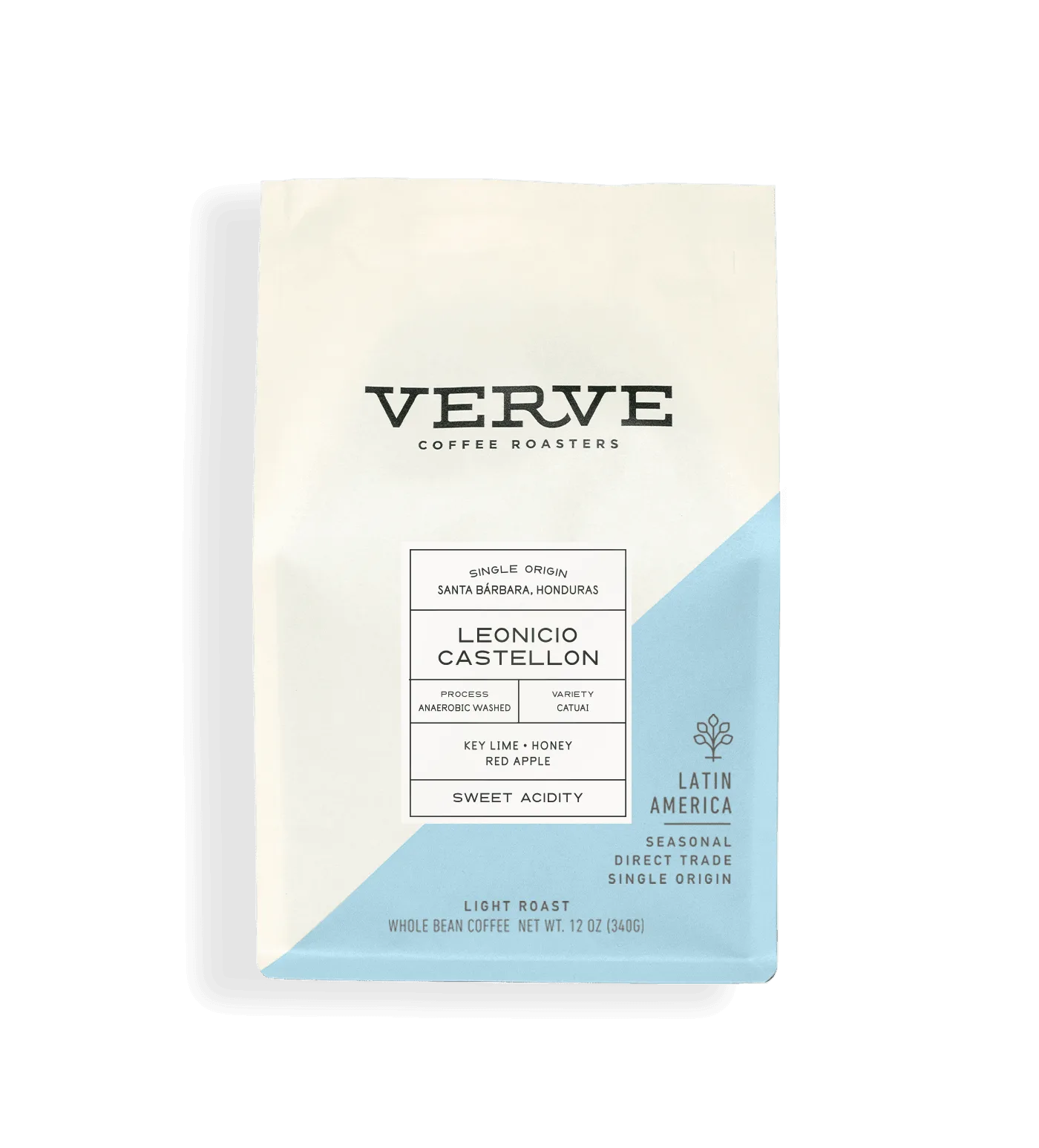
Honduras Leonicio Castellon is an anaerobically processed Catuai from Santa Bárbara with lively acidity, lasting sweetness, and a structured finish. Brew it as a pourover at a 1:16 ratio with a medium-fine grind and water just off a boil, then adjust grind before changing anything else.
What makes this Honduran coffee different
This coffee comes from producer Leonicio Castellon in Santa Bárbara, Honduras, and is an anaerobically processed Catuai. High elevations and slow cherry maturation give the bean density and concentrated sugars. The anaerobic fermentation builds sweetness and complexity while preserving balance, which is why the cup shows lively acidity and a structured finish rather than a heavy, fermented flavor.
Flavor notes to look for
Expect a bright, juicy start, a mid-palate of caramel or brown-sugar sweetness, and a clean, structured finish. Because the coffee is roasted to order and ships within two business days, the aromatics are at their peak when it arrives. Let the bag rest a day or two after the roast date if the first cup tastes sharp, then brew again.
Choose your brew method
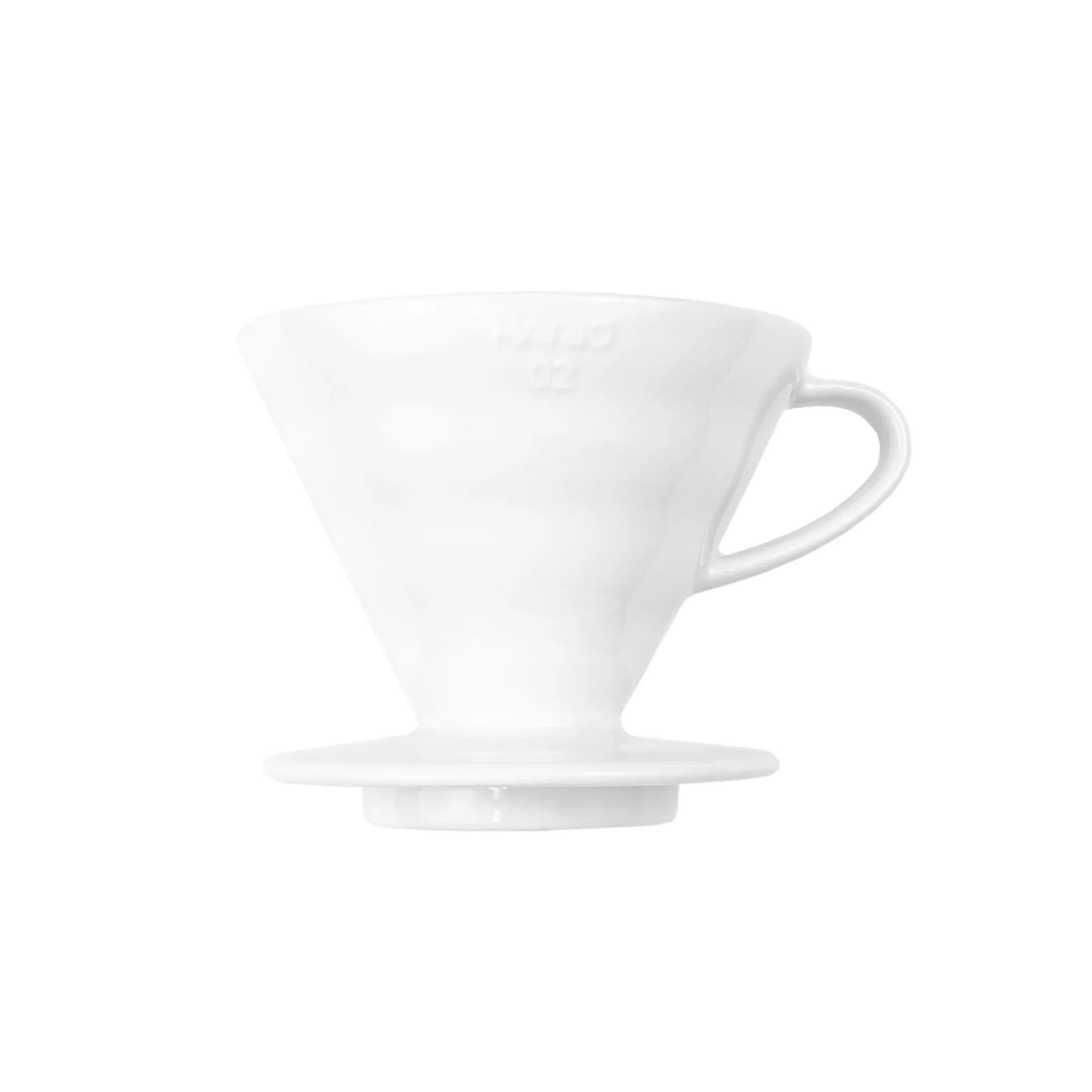
A pourover highlights the acidity and clarity, which suits this coffee well. An immersion brewer or AeroPress will soften the brightness and push the sweetness forward. If you want an easy, repeatable setup, the Hario V60 Ceramic Dripper is a solid choice because its design promotes even extraction and it brews one to four cups at a time.
Grind, ratio, and water
Start with a 1:16 coffee-to-water ratio: 20 grams of coffee to 320 grams of water. Use a medium-fine grind, similar to table salt. Water should be just off a boil, around 200-205°F. If you do not have a scale, use 2 tablespoons of coffee per 6 ounces of water and adjust to taste.
Step-by-step brewing for Honduras Leonicio Castellon
- 1. Heat your water and rinse the filter: Bring fresh water to just off a boil (200-205°F). Place a paper filter in your dripper and rinse it with hot water to remove paper taste and preheat the brewer. Discard the rinse water. Checkpoint: If you do not have a thermometer, let the kettle sit for 30 seconds after boiling.
- 2. Weigh and grind the coffee: Weigh 20 grams of whole bean coffee. Grind to a medium-fine consistency, similar to table salt. If your grinder has settings, start in the middle of the range and adjust after your first brew. Common mistake: Grinding too fine, which can slow the drawdown and make the cup bitter.
- 3. Bloom the grounds: Place the dripper on your mug or carafe. Pour 60 grams of hot water over the grounds, making sure all are saturated. Wait 30-45 seconds. You will see the bed expand and bubble as carbon dioxide escapes. Checkpoint: A fresh, roasted-to-order coffee will bloom actively. If it does not, the coffee may be older than expected.
- 4. Pour in stages: After the bloom, pour water in slow circles from the center outward, keeping the water level steady. Add water in three or four pours, totaling 320 grams. Aim to finish pouring by 2:30 to 3:00. Common mistake: Pouring too fast, which can cause channeling and uneven extraction.
- 5. Let it drain and serve: Allow the water to drain completely. The total brew time should be around 3:00 to 3:30. Remove the dripper and serve immediately. Taste the coffee at a comfortable temperature. Next step: If the cup is too sharp, grind slightly finer next time. If it is bitter or dry, grind coarser.
About the coffee and gear
- Honduras Leonicio Castellon: Produced by Leonicio Castellon in Santa Bárbara, this anaerobically processed Catuai benefits from high elevations and slow cherry maturation. High elevation and slow maturation typically mean denser beans and more concentrated sweetness, which supports the lively acidity and structured finish in the cup.
- Hario V60 Ceramic Coffee Dripper - White: The Hario V60 Ceramic Dripper delivers a precise pourover experience and can brew one to four cups at a time. The V60's design helps you control flow and extraction, making it easier to repeat a balanced brew of this Honduran coffee.