Quick answer
Eat a small, mostly carbohydrate meal or snack 60–90 minutes before a morning workout, or 20–30 minutes before if it is light and low in fat and fiber. If you train within 15 minutes of waking, a fast-digesting carb source plus water is usually enough. Keep fat and fiber low before training so digestion does not compete with your workout.
Why morning fuel is different
Overnight you are effectively fasting, so blood sugar and liver glycogen are lower when you wake. That makes the first 30–60 minutes of a morning session feel harder if you skip food entirely. The goal is not a full breakfast buffet; it is topping off blood glucose and giving your stomach something easy to empty.
Morning appetite varies. Some people can eat a banana and be fine; others feel queasy at the smell of food. Start with liquid or soft carbs if solid food is unappealing, and treat the first week as a calibration period rather than a fixed rule.
Pick the right carb type for your time window
Fast digesting carbs pre workout — such as a banana, white rice cakes, a small bowl of oats, or a sports drink — move through the stomach quickly and are the safest choice when you have under an hour. If you have 90 minutes or more, you can add a modest amount of protein, like a few ounces of Greek yogurt or a scoop of a low-fat protein powder.
Fat and fiber slow gastric emptying. That is useful at dinner, but before a morning workout it often means cramps or reflux. Save the nut butter, heavy cream, and large salads for after training.
- 20–30 minutes out: banana, applesauce, or a small sports drink.
- 60–90 minutes out: oatmeal with a little honey, or rice cakes with jam.
- 2 hours or more: add a palm-sized portion of lean protein and keep fat low.
How much to eat without feeling sluggish
Portion size matters more than food choice for most people. A pre workout meal ideas list is only useful if the total volume is small enough to digest. Aim for roughly 15–30 grams of carbohydrate for a short session, and 30–60 grams for a longer or higher-intensity session.
If you are using a pre-workout supplement, check its caffeine content before you stack it with a big meal. A 200 mg caffeine serving is common in many formulas, and some higher-stimulant options run closer to 300 mg. Caffeine on a completely empty stomach can feel harsh, which is one reason a light carb snack helps.
Your morning fuel sequence, step by step
- Step 1: Set your wake-up-to-workout gap: Decide how long you actually have between waking and your first set. This number determines everything else. Under 30 minutes means liquid or soft carbs only; 60–90 minutes allows a small solid meal; two hours or more lets you eat a normal breakfast. Checkpoint: if you are guessing the gap, you will usually eat too much or too little.
- Step 2: Choose one fast-digesting carb: Pick a single easy carb source — banana, applesauce, rice cakes, or a small sports drink. Keep it to one item at first so you can tell what sits well. Add a second item only after the first consistently works. Common mistake: combining several healthy foods at once and blaming the workout for stomach upset.
- Step 3: Add protein only if you have time: With 90 minutes or more, add a small serving of lean protein such as Greek yogurt or a low-fat protein powder. With less time, skip it. Protein is useful for recovery but it slows digestion, which is the opposite of what you want right before training. Checkpoint: if you feel heavy or burp during warm-up, drop the protein next time.
- Step 4: Drink water, not a large volume of anything: Have 8–16 ounces of water when you wake. If you use a pre-workout, mix it with the amount of water listed on the tub and sip it rather than chugging. Large volumes of liquid sit in the stomach and slosh during cardio. Common mistake: drinking a quart of water and a full shaker right before a run.
- Step 5: Time your caffeine deliberately: If you use a pre-workout, take it 20–30 minutes before training. Match the caffeine dose to your tolerance and to whether you have eaten. A 200 mg option is a reasonable starting point for many people; 300 mg is a bigger jump. Checkpoint: if your heart races or you feel jittery, reduce the serving or eat a small carb snack with it.
- Step 6: Test and adjust for one week: Keep a short note of what you ate, when, and how the session felt. Change one variable at a time. Morning workout fuel is personal, and the best plan is the one you can repeat without stomach trouble. Next step: once a combination works twice in a row, stop changing it and use it as your default.
Pre-workout options and what they add
- Pre-Workout - Hawaiian Shaved Ice: Pre-Workout - Hawaiian Shaved Ice provides 200 mg of caffeine per serving plus amino acids like L-Theanine. The L-Theanine is included to help smooth the caffeine curve, which can matter on a morning when you have not eaten much. Pair it with a small carb snack rather than a heavy breakfast.
- Pre-Workout+ - Paradise Swirl: Pre-Workout+ - Paradise Swirl delivers 300 mg of caffeine per serving with added hydration, focus, and pump support. At 300 mg, this is a higher-stimulant option. If you are sensitive to caffeine or training on a nearly empty stomach, start with a smaller serving or choose a lower-caffeine formula.
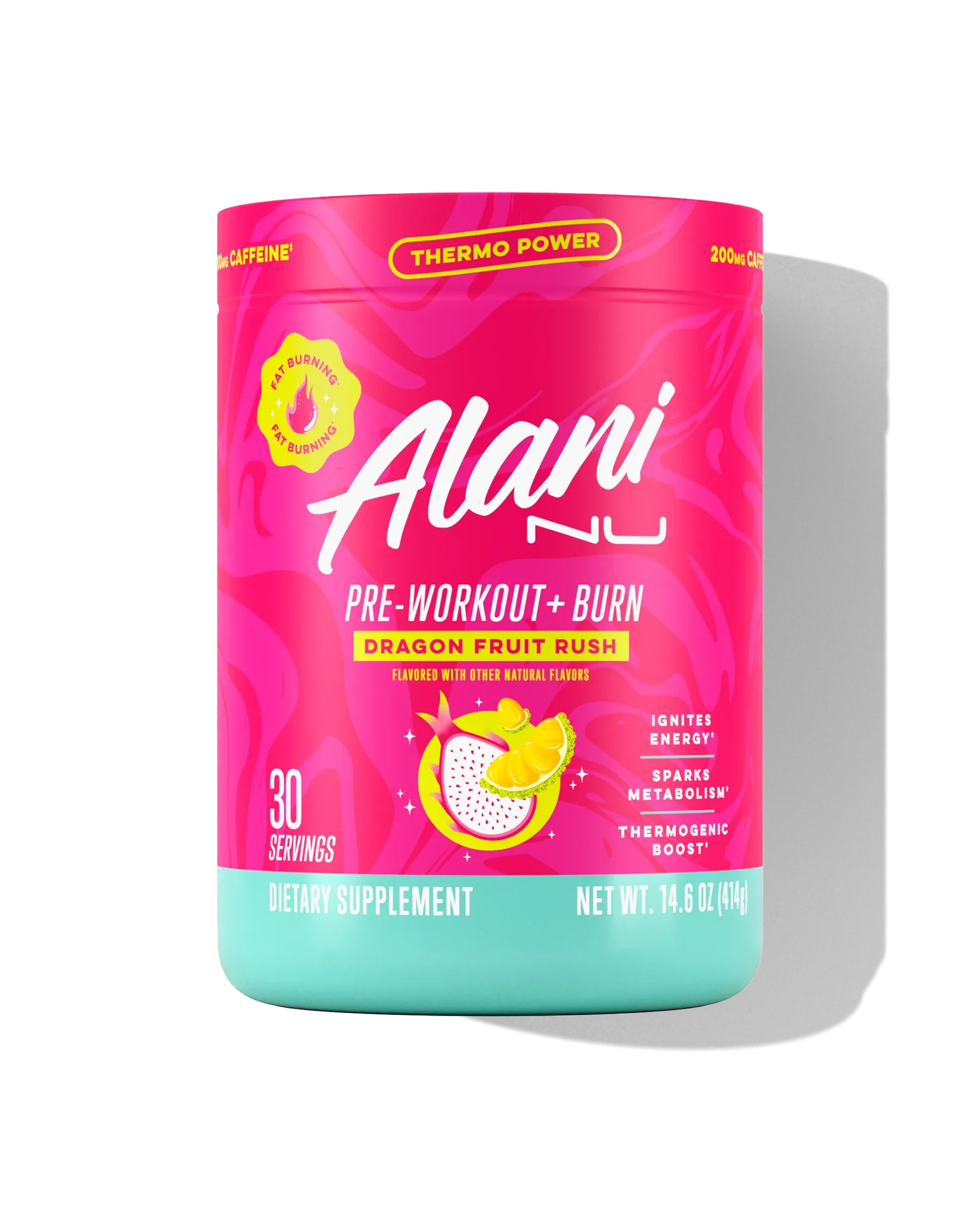
- Pre-Workout+ Burn - Dragon Fruit Rush: Pre-Workout+ Burn - Dragon Fruit Rush contains 200 mg of caffeine per serving and is formulated with thermo-support ingredients. If your morning goal includes fat-loss support alongside training, this combines the pre-workout and thermogenic roles in one scoop, which simplifies what you take before the gym.