Quick answer
Bitter coffee is almost always a sign of over-extraction—pulling too much flavor from the grounds. The fix is usually a coarser grind, cooler water, or a shorter brew time.
Why over-extraction happens
When water spends too long in contact with coffee grounds or is too hot, it dissolves bitter-tasting compounds like chlorogenic acid lactones and phenylindanes. These compounds are the reason over-extracted coffee tastes harsh, dry, or ashy.
The same problem can occur with any brewing method, but pour-over and espresso are especially sensitive because the water passes through the grounds in a short window. A small change in grind size or water temperature can push your brew from balanced to bitter.
When it’s not over-extraction
If your coffee is bitter but also thin or weak, the issue might be under-extraction combined with stale beans or water that’s too hard. Stale beans lose their acidity and sweetness, leaving behind a flat, dusty bitterness. Hard water with high mineral content can also exaggerate bitterness.
Another possibility is the roast level. Dark roasts naturally taste more bitter because the roasting process breaks down sugars and creates more of those bitter compounds. If you’re brewing a dark roast with the same recipe you’d use for a light roast, you’ll likely get a harsh cup.
Diagnosis: Is your coffee over-extracted?
- Symptom: Your coffee tastes harsh, dry, or ashy. It may also have a lingering bitterness that coats your tongue.
- Likely cause: Over-extraction: water pulled too many bitter compounds from the grounds.
- Corrective action: 1. Grind coarser (a finer grind increases surface area and extraction speed). 2. Lower water temperature to 195–205°F (90–96°C). 3. Shorten brew time (for pour-over, aim for 3–4 minutes total; for French press, steep 4 minutes instead of 5). 4. If using an espresso machine, reduce the ratio (e.g., 1:2 instead of 1:2.5). Try only one change at a time to see what works.
- When to stop or choose another option: If your coffee is still bitter after adjusting grind, temperature, and time, try a different bean or check your water quality. If the bitterness is accompanied by a thin body, the problem may be stale coffee or hard water, not extraction. Consider a lighter roast or a coffee with a cleaner flavor profile, like the Colombia Altos de Quitumpamba Chiroso.
Product facts
-
Colombia Altos de Quitumpamba Chiroso: The Colombia Altos de Quitumpamba Chiroso is a washed coffee grown at 2,200 meters in the volcanic soils of Buesaco, Nariño. High-altitude washed coffees like this one are typically clean and bright, with a well-defined acidity. If you’re getting bitterness from a coffee like this, it’s almost certainly a brewing issue, not the bean itself.
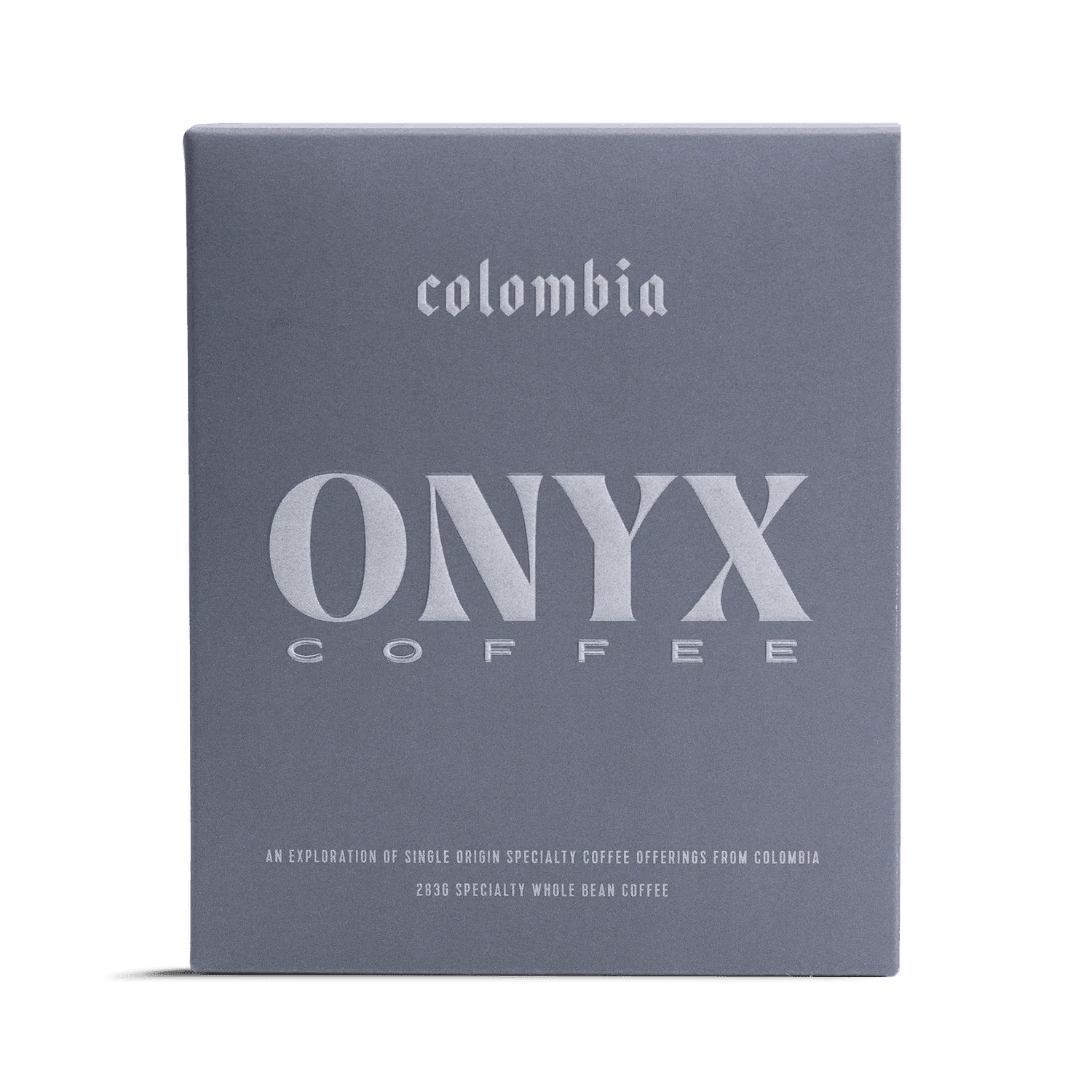
Colombia Altos de Quitumpamba Chiroso