Quick Answer
If your Willow pump lost suction, first check that the duckbill valve is clean, uncracked, and seated flat, then inspect the flange seal for gaps or wear. Most weak-suction problems on Willow Go and Willow 360 come from worn valves, misaligned seals, or milk residue blocking airflow. Replace the valve and seal if damaged, and if suction is still weak after a full parts check, contact Willow support.
Symptom: Pump Runs but Milk Output Drops
You hear the motor, the app shows a session, but your bottles stay lighter than usual. This is the most common sign of a Willow pump suction problem. Before you assume the pump is broken, compare output across two or three sessions. A single low session can be caused by stress, hydration, or a missed letdown, not a mechanical fault. If the drop is consistent, move to the cause checklist below.
Cause 1: Worn or Misaligned Duckbill Valve
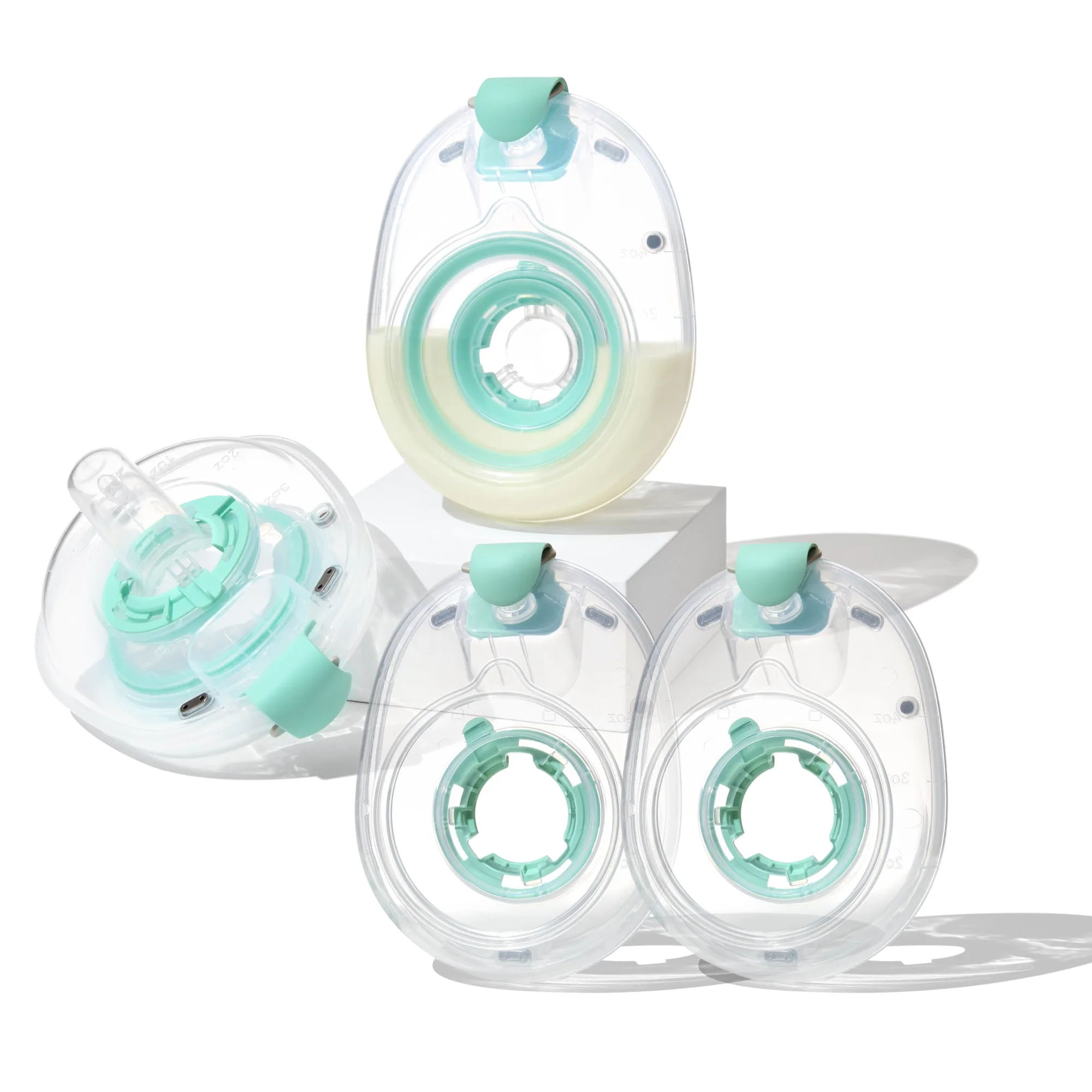
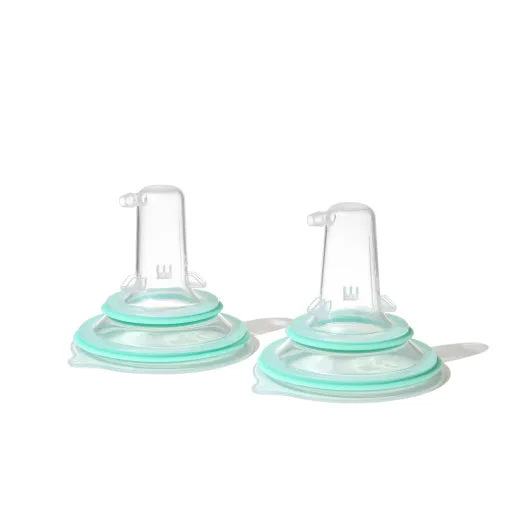
The duckbill valve is the small silicone piece that creates one-way suction. If it is torn, stretched, or not pushed fully onto the flange, air leaks back into the system and suction fades. Remove the valve and hold it up to a light. You should see no cracks, no thinning at the tip, and no milk residue inside the slit. Rinse it under warm water and check that the slit opens and closes freely. When you reinstall it, press until it sits flush against the flange base—any gap means lost suction.
Cause 2: Flange Seal Issues or Wrong Flange Size
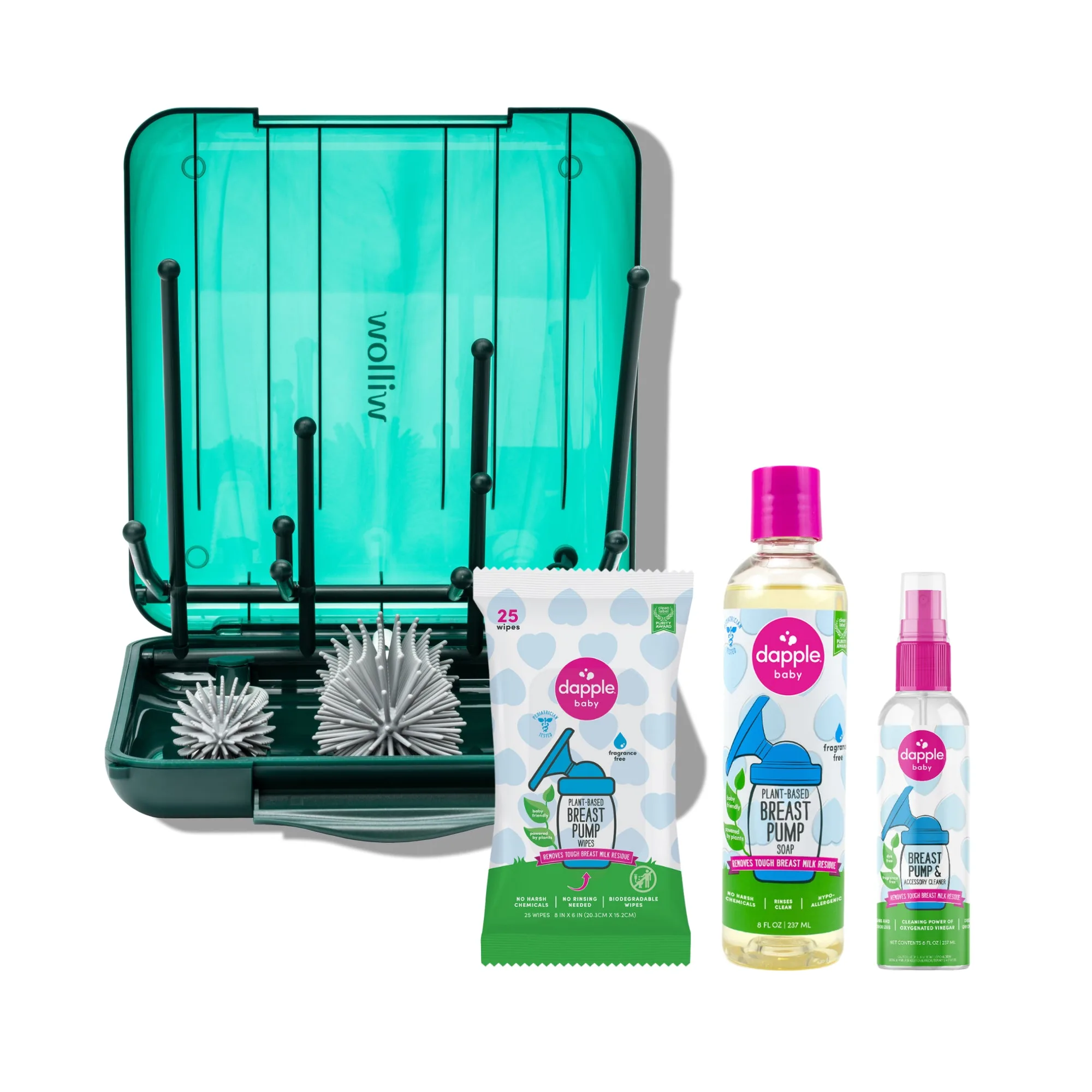
Willow pump seal issues often trace back to the flange itself. The soft rim that touches your breast must sit flat and create a full seal. If the rim is folded, cracked, or coated with leftover milk fat, air enters and suction weakens. Wash the flange with warm soapy water, rinse well, and air-dry completely before reassembly. Also confirm you are using the correct flange size: Willow Go kits include 21 mm and 24 mm flanges, and a size that is too large or too small can break the seal no matter how clean the parts are.
Cause 3: Clogged Air Path or Overfilled Container
Milk or moisture in the air path blocks the pressure that drives suction. After each session, inspect the small openings on the flange and the pump body. If you see dried milk, soak the removable parts in warm water and use the cleaning brush that came with your kit. On the Willow Go, the 5 oz SplashGuard container has a fill line—overfilling it can push milk into the valve area and reduce suction mid-session. Stop and empty the container when milk reaches the line.
When to Replace Parts vs. When to Stop
Silicone parts wear out. If the duckbill valve is discolored, sticky, or more than a few weeks old and suction is weak, replace it. The same goes for a flange seal that no longer lies flat. If you have replaced the valve, checked the seal, cleaned the air path, and confirmed flange size—and suction is still weak—stop troubleshooting. Do not keep pumping with a pump that cannot maintain suction, because it can reduce milk removal and cause discomfort. Contact Willow support for a diagnostic or warranty review.
Suction Diagnosis Checklist
- Duckbill valve condition: Remove the valve and check for cracks, stretching, or milk residue. Rinse and reinstall so it sits flush on the flange. If the valve is damaged or older than a few weeks, replace it.
- Flange seal and size: Inspect the soft rim for folds, cracks, or milk film. Wash and dry fully. Confirm you are using the 21 mm or 24 mm flange that fits you best. A seal that does not lie flat will always leak suction.
- Air path and container fill: Check the small air openings for dried milk. Soak and brush if needed. On Willow Go, keep milk below the 5 oz SplashGuard fill line. If suction is still weak after all three checks, stop and contact Willow support.
Parts That Directly Affect Suction
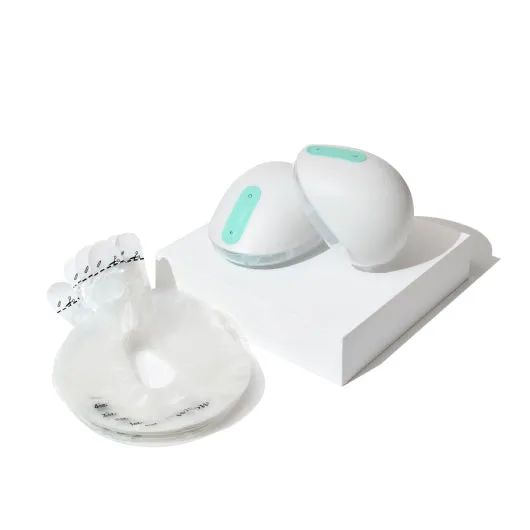
- Willow Go® Wearable Breast Pump: Willow Go® Wearable Breast Pump is powered by ComfortFlow technology and comes with 21 mm and 24 mm flanges plus 5 oz SplashGuard containers. If your Willow Go has weak suction, start by confirming you are using the flange size that seals best for you, and check that the SplashGuard container is not overfilled.
- Willow 360® Spill-proof Milk Bags (48-pack): Willow 360® Spill-proof Milk Bags (48-pack) use the same no-spill collection path as the pump kit, and 24 bags are included with the pump. A bag that is not fully seated or is reused past its limit can affect suction. Use a fresh bag and press it firmly into the pump before starting a session.
- Willow 360® Pump and Extra Spill-Proof Milk Bags: Willow 360® Pump and Extra Spill-Proof Milk Bags is an all-in-one wearable pump with patented no-spill technology for hands-free pumping. If you rely on the 360 for hands-free sessions, keep spare valves and bags on hand so a worn part does not interrupt your pumping schedule.