Quick answer
Scrape off food and grease while the griddle is still warm, rinse it with hot water and a stiff brush, dry it completely on the stove, then rub on a very thin layer of neutral oil and heat until it just smokes. Do this after every cook, and your griddle stays seasoned, non-stick, and rust-free without harsh chemicals.
Why the griddle's thickness changes your cleaning routine
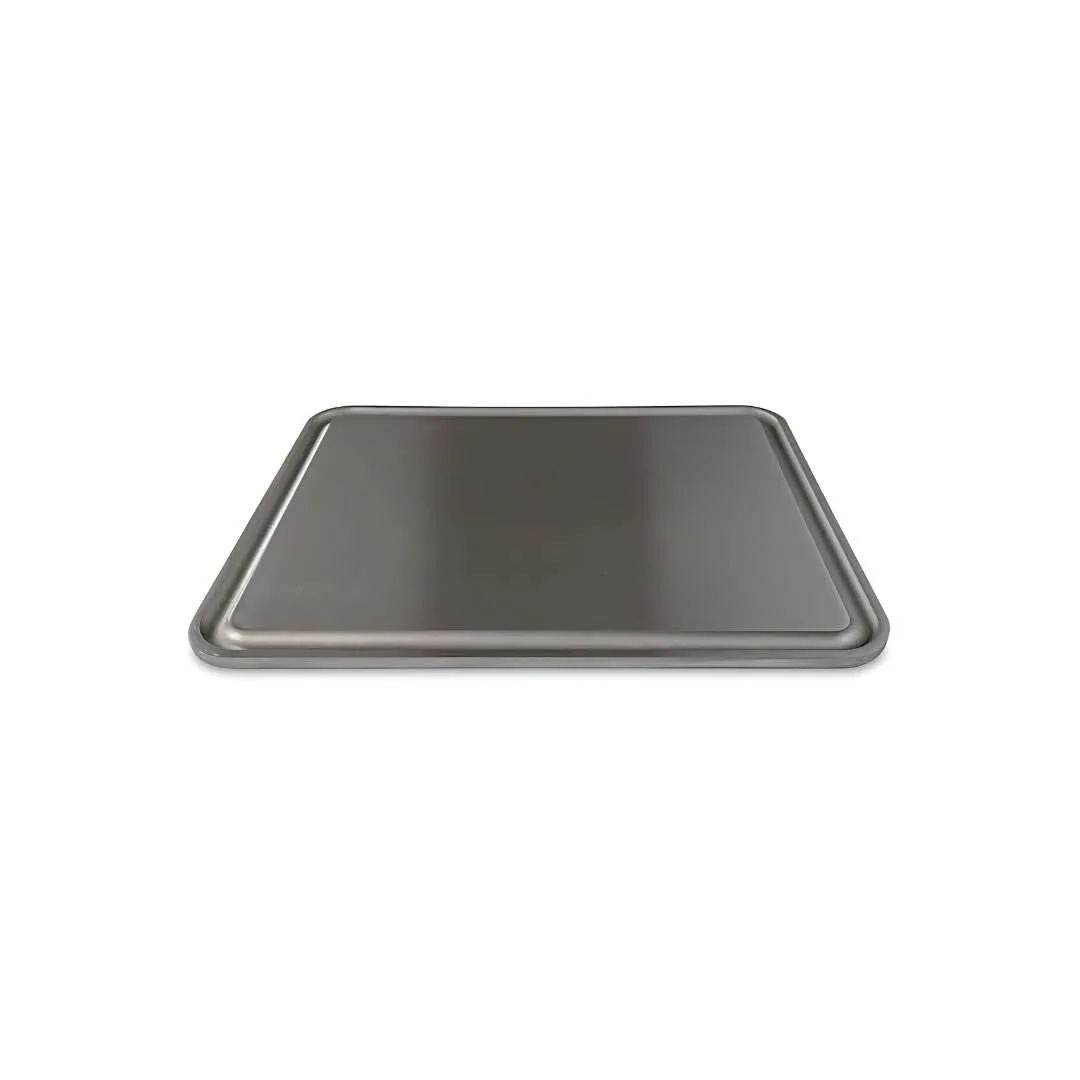
A baking steel griddle holds far more heat than a thin pan, which is exactly why it sears and browns so well. That stored heat also means the steel stays hot long after you pull the food off, so timing matters. If you wait until the griddle is stone cold, baked-on grease and sugars harden into a film that takes far more scrubbing to remove. If you clean it while it is still warm but not screaming hot, most residue lifts off with a scraper and a brush.

baking steel
The same thickness that makes the griddle great for smash burgers and pizza also makes it slow to cool and slow to heat back up. Plan your seasoning step right after cleaning, while the steel still has residual warmth, so you are not waiting around for it to reach temperature again.
What you actually need on the counter
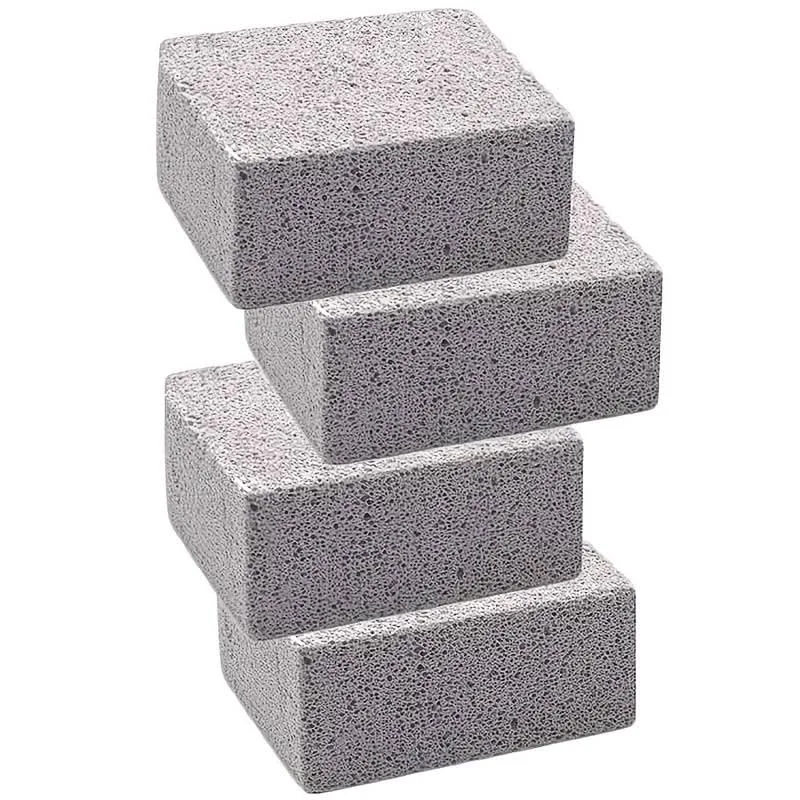
You do not need a cabinet of specialty products. A metal spatula or bench scraper, a stiff nylon or brass brush, hot water, a lint-free cloth or paper towel, and a small amount of a high-smoke-point neutral oil cover almost every situation. Keep a dedicated cleaning brick on hand for the stubborn days when polymerized grease has built up in the corners or along the edges.
Skip steel wool and harsh oven cleaners on the cooking surface. They strip the seasoning you have worked to build and can leave scratches that make future sticking worse. If rust has already appeared, you will deal with it in a later step rather than by scrubbing harder.
How to handle rust if you see it
Rust on a baking steel griddle almost always means moisture sat on bare steel, usually after a rinse that was not fully dried or a humid storage spot. Surface rust is not a reason to replace the griddle. Scrub the affected area with a stiff brush or the cleaning brick until you reach bare metal, wipe away the dust, then immediately reseason that spot. The oil layer is what keeps oxygen and water off the steel, so reseasoning is the real fix, not the scrubbing.
If rust keeps coming back in the same place, check your drying step and where you store the griddle. A griddle that goes back into a closed cabinet while still slightly damp will rust again no matter how well you seasoned it.
Storing the griddle so the next cook starts clean
Once the griddle is seasoned and fully cool, store it somewhere dry with a little airflow. If you stack anything on top of it, put a cloth or paper towel between the surfaces so the seasoning does not get scuffed. A thin film of oil left from the seasoning step is enough protection; a thick, sticky coat will just collect dust and turn rancid.
If your kitchen runs humid, a short reheat on the stove before storage drives off any lingering moisture. That one habit prevents most of the rust problems people blame on the seasoning itself.
Step-by-step: clean and season after every cook
- Step 1: Scrape while warm: As soon as the food is off and the griddle has cooled enough to work near safely, push a metal spatula or bench scraper across the surface to lift food bits and pooled grease into a waste bowl. Checkpoint: if residue smears instead of lifting, the griddle is still too hot; wait a minute and try again.
- Step 2: Rinse with hot water: Add a splash of hot water and scrub with a stiff brush, tilting the griddle so the water and loosened debris run off. Repeat until the runoff is clear. Common mistake: dunking a hot griddle in cold water can warp or crack it, so always match hot steel with hot water.
- Step 3: Tackle baked-on grease: For dark, sticky patches that survive the brush, work the area with a cleaning brick or a little coarse salt and oil, then wipe clean. Checkpoint: stop when you see bare metal, not when the surface is perfectly uniform; over-scrubbing removes good seasoning.
- Step 4: Dry completely: Wipe the griddle dry, then set it back on the stove over medium heat for a few minutes until every trace of moisture disappears. Common mistake: air-drying leaves water in the corners and edges, which is where rust starts.
- Step 5: Apply a thin oil layer: With the griddle warm, add a few drops of a high-smoke-point neutral oil and spread it with a cloth until the surface looks glossy but not wet. Checkpoint: if the surface feels tacky, you used too much oil; wipe more off before heating.
- Step 6: Heat until it just smokes: Bring the griddle back up until the oil shimmers and gives off a faint wisp of smoke, then turn off the heat and let it cool naturally. Next step: once cool, store the griddle dry and covered, and it is ready for the next cook.
Tools that make this routine easier
- Baking Steel Cleaning Bricks: Baking Steel Cleaning Bricks are listed as a dedicated cleaning tool at USD 21.17, with a catalog comparison price of USD 29.00. A dedicated brick gives you a controlled way to scrub polymerized grease and surface rust off the cooking surface without reaching for steel wool or harsh chemicals that strip seasoning.
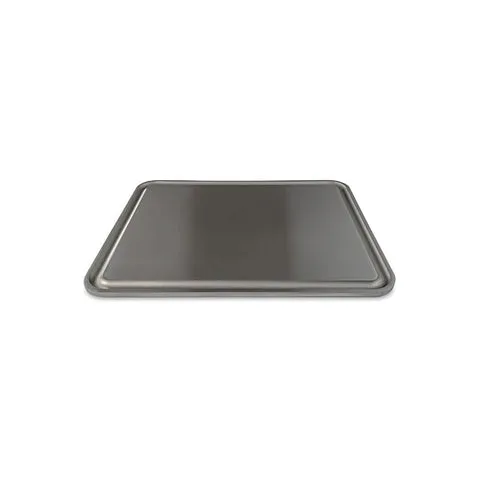
- Baking Steel Griddle — 14"x18" Reversible Pizza Steel & Stovetop Griddle: The Baking Steel Griddle is a 14"x18" reversible pizza steel and stovetop griddle, and one catalog note describes using it for smash burgers because its thickness works well on a grill that sits above griddle grates. Knowing the griddle is reversible and built for high-heat cooking explains why you clean and season both faces, and why the warm-scrape-then-oil routine suits its thickness.
- The 12" Pizza Peel – Cherry Wood: The 12" Pizza Peel is cherry wood, described as compact, balanced, and versatile, and the founder uses it to launch pizzas and even slice directly on the wood. A wooden peel should never be soaked or scrubbed like steel, so keep it out of the griddle cleaning water and wipe it dry separately to protect the wood.