Quick answer
Measure your band size snugly under your bust and your cup size around the fullest part, then add one to two inches to the band if you are pregnant or newly postpartum. A well-fitting maternity and nursing bra stays put when you raise your arms, leaves no deep marks, and lets you pump or nurse without tugging. Because your size shifts through pregnancy and breastfeeding, recheck every four to six weeks.
Measure at the right time and in the right state
Measure when your breasts feel their fullest, usually in the morning before a feed or pump session if you are breastfeeding. If you are pregnant, measure at the end of the day when swelling is highest. Wear an unpadded bra or no bra. Use a soft tape measure and keep it parallel to the floor around your back.
A common mistake is measuring right after nursing or pumping, when breasts are emptier. That gives you a band and cup that will feel tight within hours. For a maternity bra fit guide to be useful, the numbers need to reflect your largest everyday size, not your smallest.
Find your band size without guessing
Wrap the tape snugly around your ribcage, directly under your bust. Round to the nearest whole inch. If the number is even, add four inches; if odd, add five. That is your starting nursing bra band size. For pregnancy or early postpartum, many women size up one band size from their usual measurement because the ribcage expands and milk supply can add fullness.
Check the band first: it should feel firm but not painful, and you should be able to slide two fingers under it at the back. If the band rides up when you raise your arms, it is too loose. If it leaves red welts after an hour, it is too tight. The band carries most of the support, so getting it right matters more than the cup.
Measure your cup and allow for change
Measure around the fullest part of your bust, usually across the nipple line. Subtract your band measurement from this number. Each inch of difference equals one cup size: one inch is an A, two is a B, three is a C, and so on. If you are between cup sizes, choose the larger cup, especially if you are nursing or planning to pump.
Your cup size can change by one or two sizes between pregnancy and established breastfeeding. A bra that fits at 38 weeks may be too small at two weeks postpartum. Recheck your cup size every four to six weeks, and sooner if you feel pressure on the top or sides of your breasts.
Test the fit with real movements
Put on the bra and fasten it on the loosest hook. Raise your arms overhead, bend forward, and twist side to side. The band should stay level and the cups should not gap or dig in. The center front should lie flat against your sternum. If the center panel floats away, the cup is too small or the band is too large.
For pumping bra sizing tips, check that your breast shields or flanges sit centered over your nipples without the bra pulling them off-axis. If the bra shifts when you attach the pump, it is too loose or the cup opening is misplaced. A snug band and correctly sized openings keep suction steady and hands free.
Adjust for pumping and nursing hardware
Nursing bras open at the cup; pumping bras have openings for flanges. Some bras do both. The fit rules are the same, but you need extra room where the openings sit. If the openings cut into your breast tissue, size up in the cup or choose a style with a wider center panel.
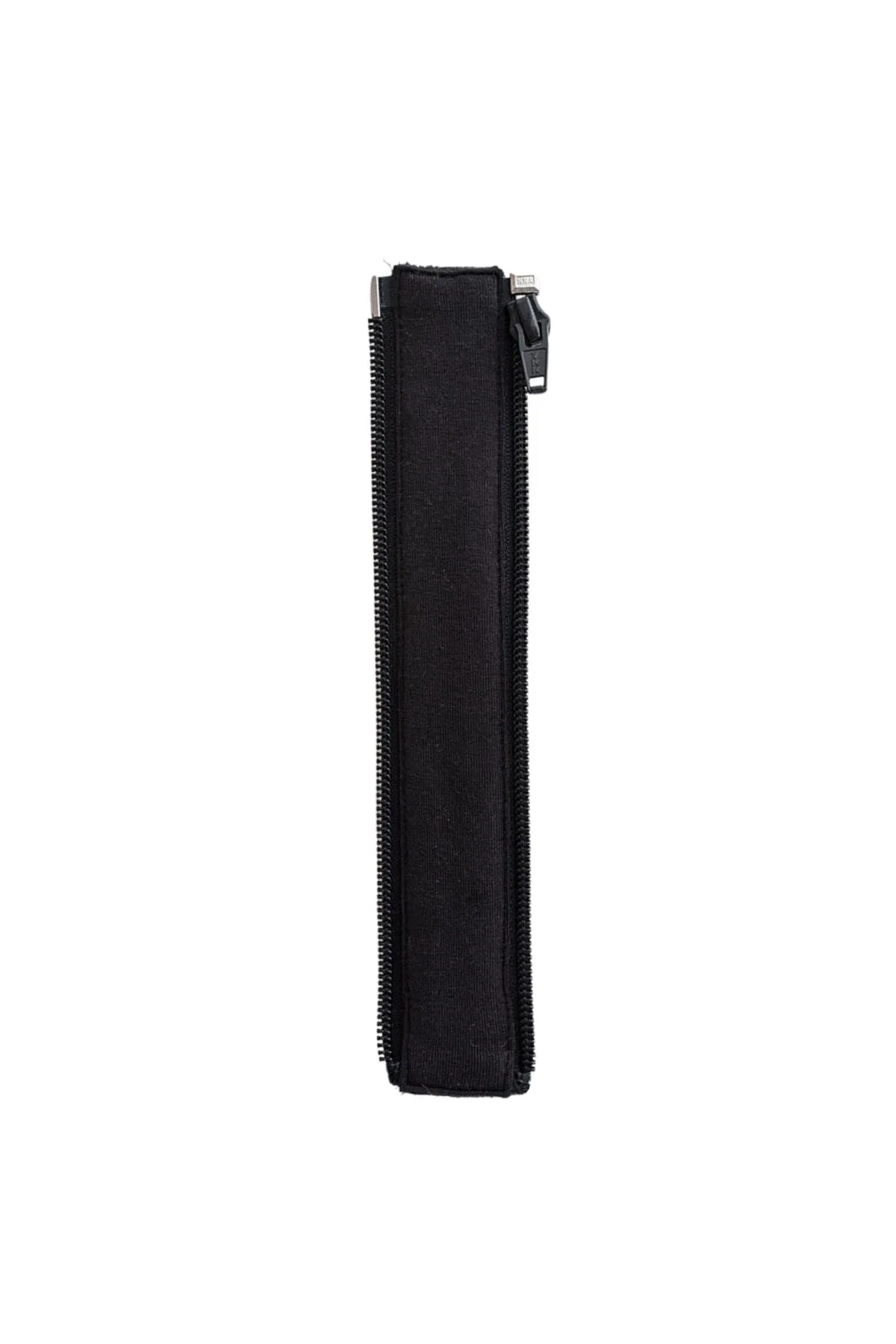
If you measure more than 7 inches between your nipples, a standard bra may pull the flanges inward and break the seal. Adding a one-inch center panel to an adjustable hands-free pumping bra can give you the width you need for proper alignment. Order multiples if you need more than one inch of extra space.
Know when to resize and what to skip
Resize if you are using the tightest hook on a new bra, if the band leaves marks that last more than an hour, if your breasts spill over the top or sides, or if you feel plugged ducts or pain. A bra that fits well should not leave deep grooves or require constant adjusting.
Skip bras with rigid underwires during pregnancy and early breastfeeding unless your fit is confirmed by a professional. Underwire can press on milk ducts if it sits on breast tissue instead of the ribcage. Wireless or flexible-wire styles are safer as your size fluctuates. Also skip buying several bras in one size early on; buy two to start and add more once your supply regulates.
Your step-by-step bra sizing routine
- Measure your band: Wrap a soft tape snugly under your bust, round to the nearest inch, then add four inches if even or five if odd. For pregnancy or early postpartum, add one band size. Checkpoint: the band should sit level and allow two fingers underneath.
- Measure your cup: Measure around the fullest part of your bust, subtract your band measurement, and count each inch as one cup size. Round up if you are between sizes. Checkpoint: the center front should lie flat against your sternum.
- Try the bra on and move: Fasten on the loosest hook, then raise your arms, bend forward, and twist. The band should not ride up and the cups should not gap or dig. Checkpoint: no red marks that last more than an hour.
- Test with your pump or baby: If you pump, attach your flanges and check that they stay centered over your nipples. If you nurse, undo the clasp and confirm the cup folds away without pulling. Checkpoint: suction stays steady and you can use both hands freely.
- Recheck every four to six weeks: Your band and cup can change as your ribcage expands, milk supply regulates, or you wean. Adjust the hook and re-measure as needed. Next step: buy two well-fitting bras now, then add more once your size stabilizes.
Products that help with fit
- 1" Center Panel for Adjustable Hands Free Pumping Bra: Each 1-inch center panel adds width to an adjustable hands-free pumping bra for those who measure greater than 7 inches between nipples. If standard pumping bras pull your flanges inward, this panel helps align the pump for better suction without replacing the whole bra.
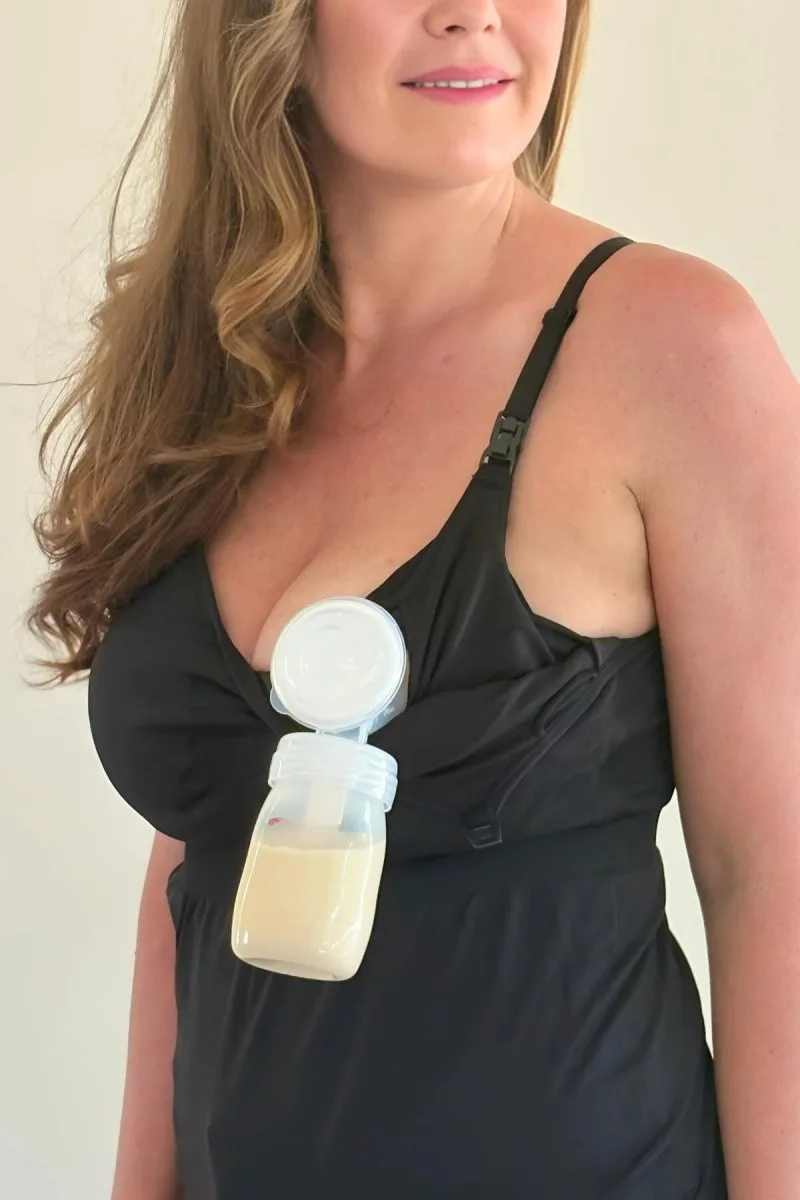
- SuperMom® Silhouette Nursing & Pumping Seamless Tank | Midnight: The SuperMom Silhouette Nursing & Pumping Seamless Tank has a built-in shelf bra, patented SimpleClasp technology for nursing and pumping, and light removable padding. A seamless tank with a built-in bra can simplify sizing because you do not need a separate bra and tank, and the clasp lets you pump or nurse with one hand.
- Zoe Fleece Hooded Poncho: The Zoe Fleece Hooded Poncho is a nursing cover that fits over a baby carrier or sling for discreet breastfeeding on the go. A poncho does not replace a correctly sized bra, but it adds coverage and warmth without adding bulk over your bra band, so it will not change your fit.