Quick answer
Start with what you actually store, not with the ceramics. Measure the shelf or counter run, group dry goods by how often you reach for them, then choose handmade ceramic storage pots and jars that fit with a finger's width to spare. Keep daily items at eye level, label the lids underneath, and treat open shelving kitchen ceramics as a working system rather than a display.
Measure the space before you choose a single jar
Most ceramic storage mistakes happen before anything is bought. Measure the internal height of your shelf, the depth of the counter, and the clearance under any wall cabinet. Then measure the tallest jar you are considering and add the lid. A jar that only fits with the lid off is not storage, it is a daily annoyance.
Leave a finger's width of clearance above the tallest jar so you can lift it out without scraping. On open shelving, also check that the shelf itself can take the weight of a full jar; dry goods are heavier than they look.
Sort by reach, not by matching set
Before buying, empty one cupboard onto the counter and sort into three groups: used daily, used weekly, and used occasionally. Daily items belong at eye level and within one hand's reach. Weekly items can sit higher or further back. Occasional items can live in a lidded jar at the back of the shelf.
This is where handmade ceramic storage pots earn their place. Because each piece is slightly different, you can buy the shapes that suit the job rather than a uniform set that forces you to make everything fit. A wide pot suits spoons and small utensils; a taller jar suits pasta and grains.
Match the vessel to the contents
Ceramic is not airtight unless it has a gasket, so use it for dry goods that tolerate some air movement: pasta, rice, oats, coffee beans in their bag, tea, and dry spices. For flour, sugar, and anything that clumps, keep the original bag inside the jar or choose a jar with a silicone seal.
For a ceramic utensil holder, choose one that is wider than it is tall so long spoons do not tip it. If you cook with oil or wet ingredients nearby, keep the holder far enough from the hob that splashes do not settle on the glaze.
Style open shelving so it still works
Open shelving kitchen ceramics look best when the shelf is not full. Leave roughly a third of each shelf empty so the eye can rest and your hand can reach in. Group by height: taller jars at the back, shorter pots at the front, and one or two decorative pieces between them.
Keep the most-used items on the lowest shelf. If you have to stand on tiptoe for the salt, the system will collapse within a week.
Care for ceramic so it stays worth looking at
Most glazed ceramic is hand-wash only if you want the finish to last, and unglazed exteriors should be wiped rather than soaked. Avoid thermal shock: do not move a cold jar straight into hot water. Dry lids upside down so moisture does not sit in the rim.
If a jar has a natural or aged finish, expect it to change with use and light. That is a characteristic of the material, not a fault, and it is part of why handmade pieces look better over time than uniform ones.
Seven steps to a ceramic storage system that holds up
- Audit one shelf at a time: Empty a single shelf or cupboard onto the counter and sort contents into daily, weekly and occasional use. Do not start with the whole kitchen or you will lose momentum. Checkpoint: if you have not touched an item in three months, it does not need prime shelf space.
- Measure height, depth and clearance: Note the internal shelf height, the counter depth, and the gap under wall cabinets. Measure the tallest candidate jar with its lid on. Common mistake: buying by litre capacity alone and discovering the jar will not fit under the cabinet.
- Choose shapes for jobs, not for a matching set: Pick a wide ceramic utensil holder for spoons, a tall narrow jar for pasta, and a squat pot for spices. Slight variation between handmade pieces is an advantage here. Checkpoint: every vessel should have a named contents before it comes home.
- Decide what needs an airtight seal: Keep flour, sugar and anything that clumps in a jar with a gasket, or leave the original bag inside the ceramic jar. Dry pasta, rice and tea are more forgiving. Common mistake: assuming all ceramic jars are airtight; most are not unless a seal is specified.
- Place by reach, then by look: Daily items at eye level and to the front, weekly items higher or further back, occasional items at the back. Only after that, adjust for visual balance. Checkpoint: you should be able to make a cup of tea without moving anything out of the way.
- Style open shelving with breathing room: Leave about a third of each shelf empty, vary heights, and place one or two non-storage pieces among the jars. Keep the lowest shelf for the heaviest daily use. Common mistake: filling every inch, which makes the shelf look cluttered and is awkward to use.
- Label and maintain monthly: Write contents and dates on the underside of lids or on small paper labels. Once a month, wipe jar exteriors, check for clumping, and rotate older dry goods to the front. Next step: if a jar stays empty two months running, move it to a different job or pass it on.
Useful pieces for this setup
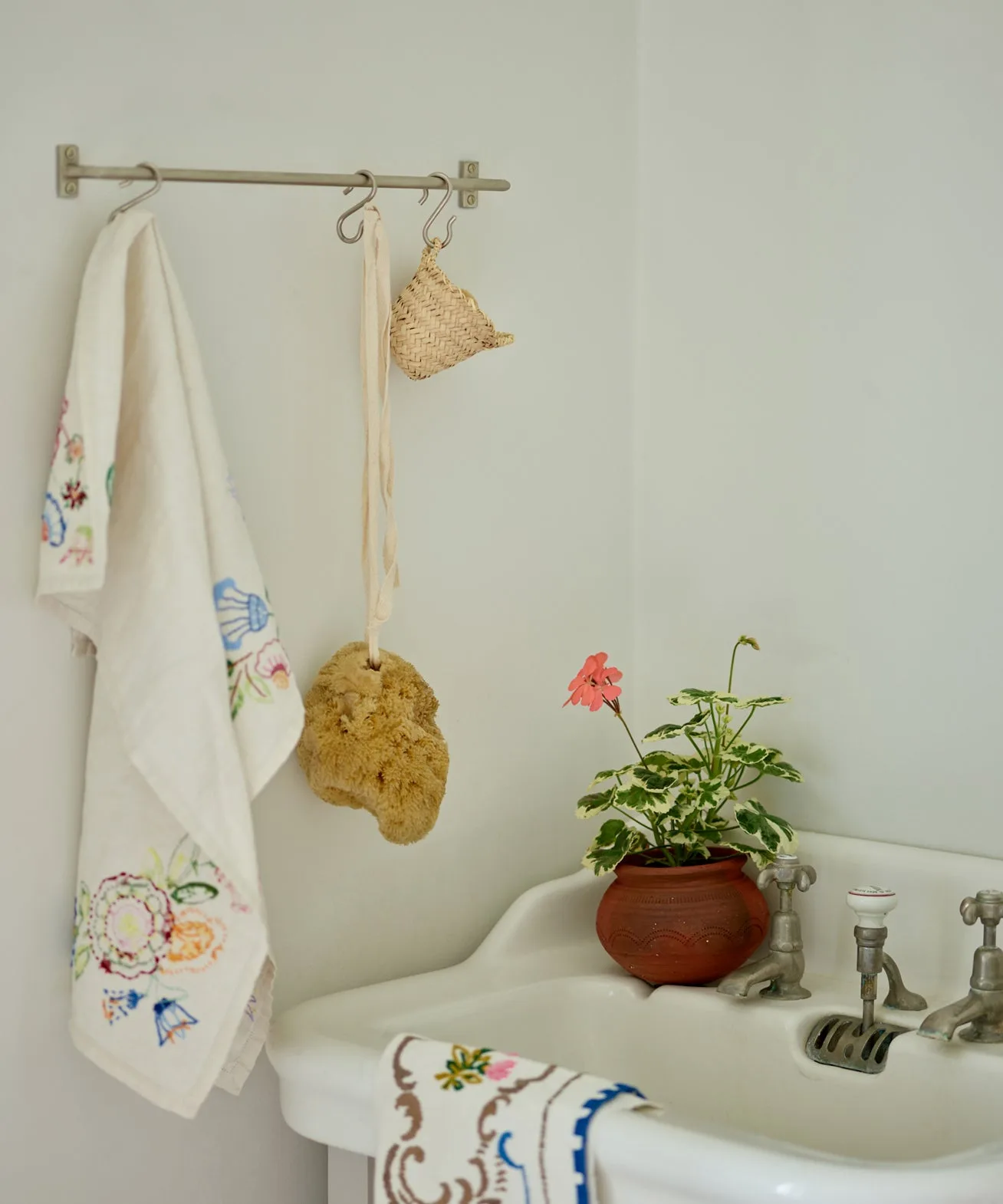
- Grove Hanging Rail, Antique Brass: A simple, straight hanging rail crafted from solid brass, pleasingly weighty, and designed to combine with co-ordinating S-hooks. Frees counter space by moving towels, pans and small utensils onto the wall, so ceramic jars and pots get the shelf room they need.
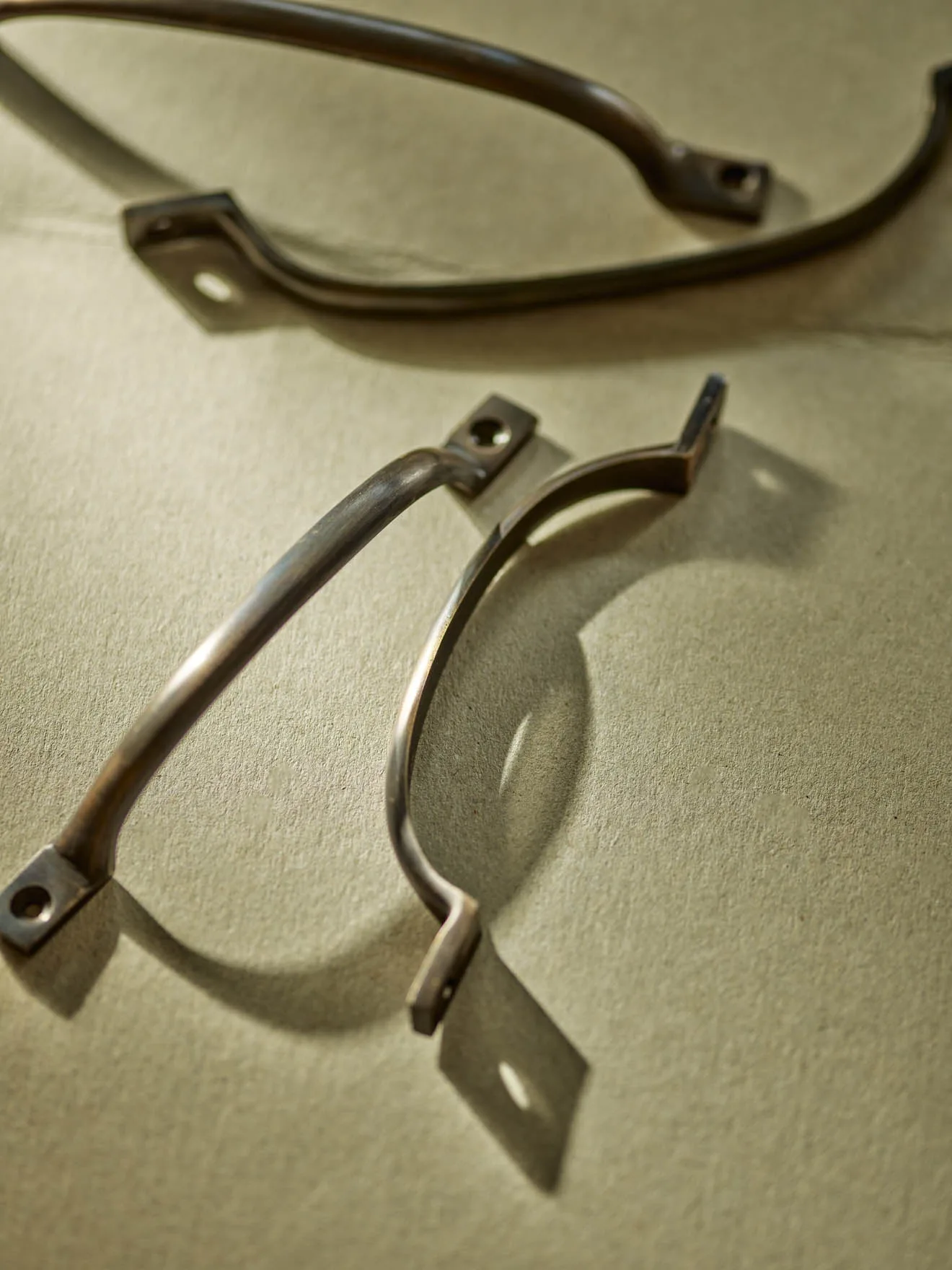
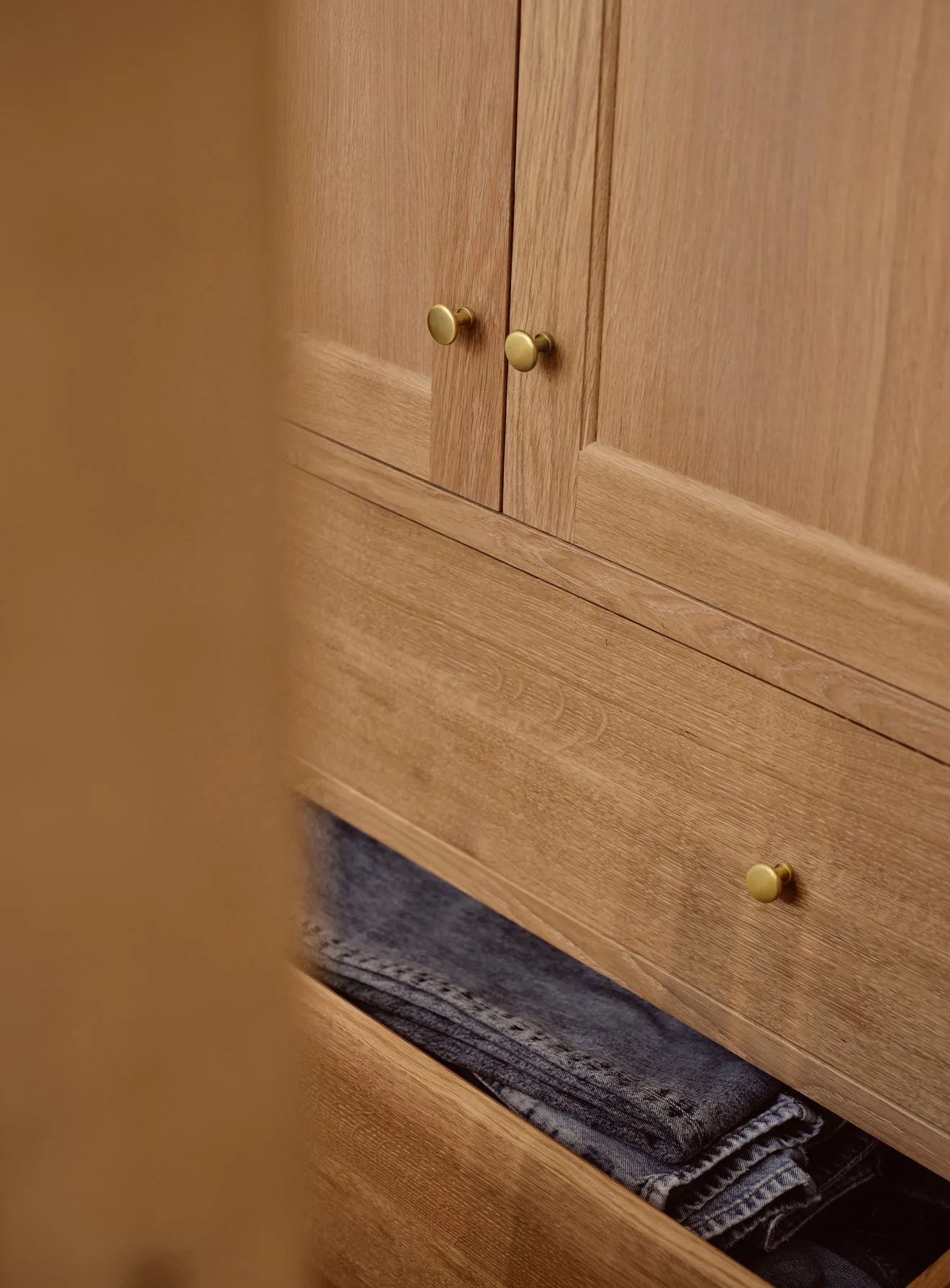
- Grove Grooved Rounded Knob, Aged Bronze: A spherical metal knob textured with linear grooves, crafted from solid bronze with a natural finish that lightens with use. A small hardware change that makes a pantry cupboard or jar cabinet feel considered, and the aged bronze sits well beside warm ceramic glazes.
- Handmade Wrapping Paper, Blush Floral, Set of Three: Handmade Nepalese wrapping paper in a set of three sheets, made from Lokta paper from the bark of Nepalese mulberry bushes, in a warm pink tone with soft floral geometrics and slightly frayed edges. Useful for wrapping a ceramic jar as a gift, or for lining a shallow drawer where you store spare lids and labels.