Quick answer
Side sleepers generally need a high-loft pillow, roughly 4 to 6 inches, to fill the gap between the neck and mattress. Back sleepers do best with a medium loft around 3 to 4 inches that supports the neck curve without pushing the chin forward. Stomach sleepers and small-framed sleepers should choose a low-loft pillow under 3 inches.
Measure your loft before you shop
Loft is the compressed height of a pillow after your head rests on it, not the height on the shelf. To find your target, lie on your current pillow and have someone measure from the mattress surface to the base of your neck. If your ear, shoulder, and hip do not line up roughly straight when viewed from the side, your loft is off. A pillow that is too high tilts the chin down and strains the back of the neck; too low and the neck sags toward the mattress.
Match loft to sleep position
Position is the single strongest predictor of the loft you need. Use this as a starting point, then adjust for shoulder width and mattress firmness. A softer mattress lets your body sink deeper, which effectively increases the gap your pillow must fill, so you may need more loft than your position alone suggests.
- Side sleepers: high loft, about 4 to 6 inches, to keep the head, neck, and spine aligned.
- Back sleepers: medium loft, about 3 to 4 inches, to support the cervical curve without forcing the chin up.
- Combination sleepers: medium loft with a compressible fill that adapts when you roll over.
- Stomach sleepers: low loft, under 3 inches, or a very soft pillow to avoid neck extension.
How to choose pillow firmness alongside loft
Loft and firmness work together. A high-loft pillow with soft fill collapses under the head, so it behaves like a lower pillow. A low-loft pillow with dense fill feels harder than its height suggests. If you are choosing a pillow for neck pain, prioritize firmness that holds its shape through the night, then fine-tune loft. Fill type matters too: shredded or fiber fills let you add or remove material to adjust height, while solid molded fills lock in one loft.
When to replace or adjust your pillow
A pillow that no longer returns to its original height after you fold it in half has lost loft and will not support your neck, no matter how you position it. Most pillows need replacing every one to two years. If you wake with neck stiffness that fades within an hour of getting up, your pillow is the likely culprit. Before buying new, try removing fill from an adjustable pillow or adding a folded towel under a low pillow to test a higher loft.
Decision rules for choosing your loft
- If you wake with a stiff neck and your ear sits below your shoulder line: Your pillow is too low. Add loft by choosing a high-loft pillow or adding fill to an adjustable one. Aim for the ear, shoulder, and hip to align when viewed from the side.
- If your chin tilts toward your chest or you wake with headaches: Your pillow is too high. Drop to a medium or low loft, or remove fill until your chin stays level. A level chin means the loft is not forcing your neck into flexion.
- If you sleep on your side but have narrow shoulders: Start at the low end of the high-loft range, around 4 inches, rather than jumping to 6 inches. Shoulder width changes the gap your pillow must fill.
- If you switch between back and side sleeping during the night: Choose a medium-loft pillow with compressible fill that adapts to both positions instead of two separate pillows. One adaptable pillow beats two rigid ones for combination sleepers.
Products that fit these loft rules
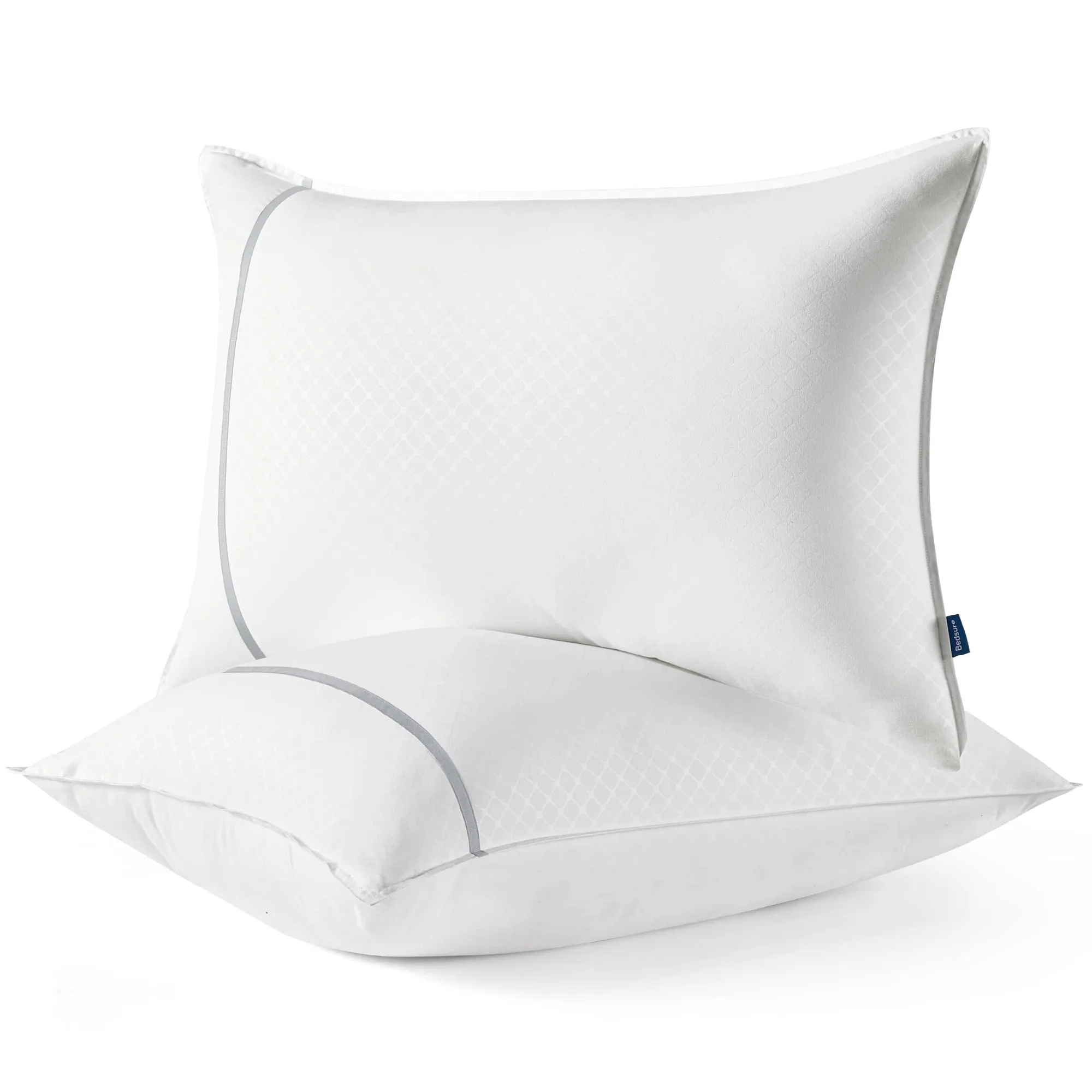
- Diamond Pattern BlendTek™ Pillows: Filled with a 50/50 blend of resilient spiral fibers and ultra-soft hollow fibers for a plush feel with reliable support, with a diamond-quilted shell that helps keep fill evenly in place. The balanced blend gives medium-loft support that suits back sleepers and combination sleepers who need the pillow to recover its shape after shifting positions.
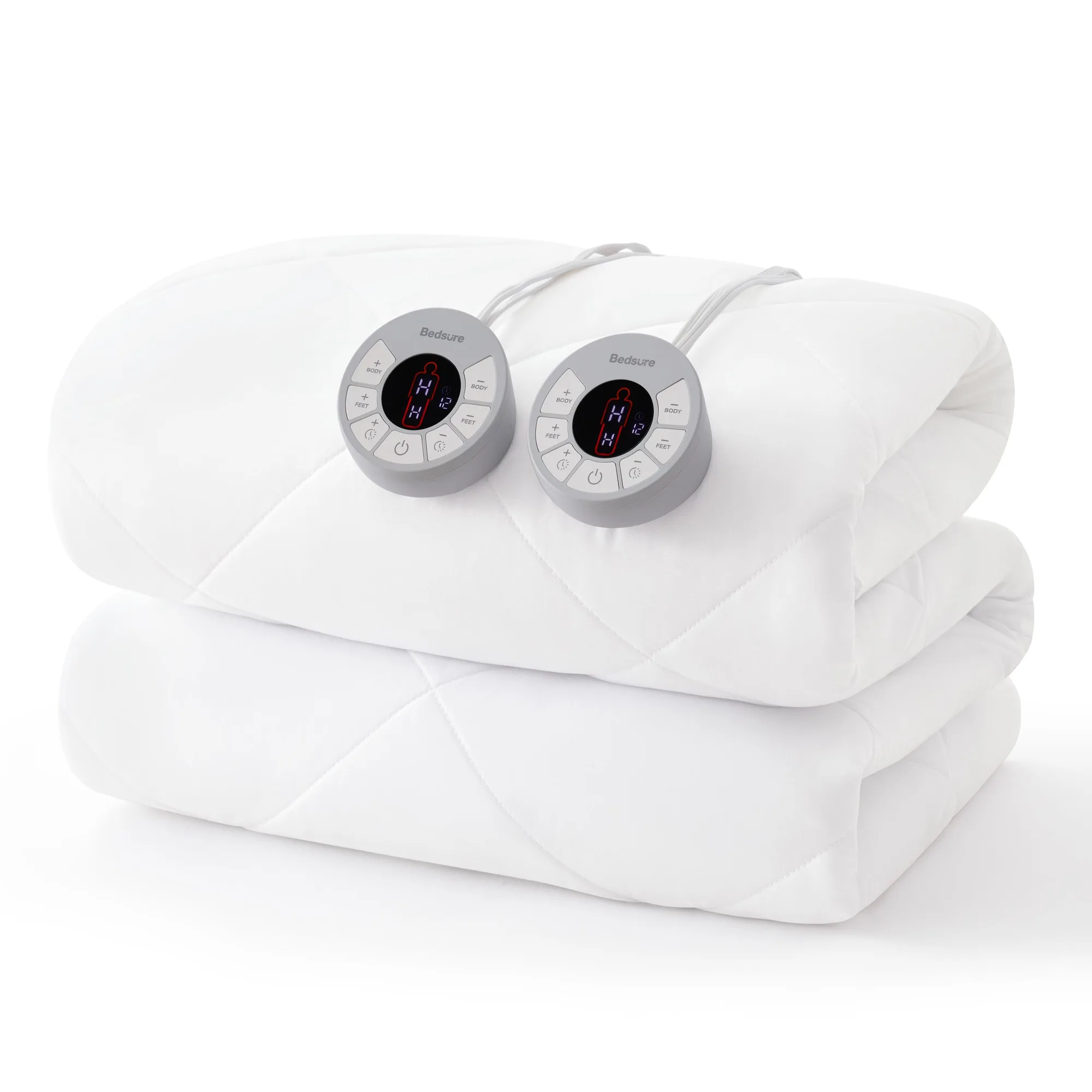
- Four-Zoned Heated Mattress Pad: Dual-zone independent control with two controllers lets partners set upper and lower body warmth separately, and the smart controller offers 10 heat settings with a 1–12H timer. If neck pain keeps you repositioning at night, separate warmth zones can reduce the tossing that flattens your pillow and disrupts loft.
Who this guidance fits
Best for
- Side sleepers who need a high-loft pillow to fill the shoulder gap
- Back sleepers who want medium loft with neck curve support
- Shoppers comparing low loft vs high loft pillow options
- Anyone choosing a pillow for neck pain who wants a firmness and loft starting point
Not for
- Stomach sleepers, who should choose a low-loft pillow under 3 inches
- Sleepers who need a medically prescribed cervical pillow
- People who prefer a very soft, flat pillow regardless of position