Quick answer
Use postpartum padsicles for the first days after a vaginal birth, when the perineum is swollen and raw, and use nursing pads any time milk leaks between feeds. They are not interchangeable: padsicles are worn inside postpartum underwear against the perineum, while nursing pads sit inside a bra against the nipple. Most people need both at some point, just not on the same part of the body. If you only buy one first, match it to your biggest current discomfort.
Two different jobs, two different body parts
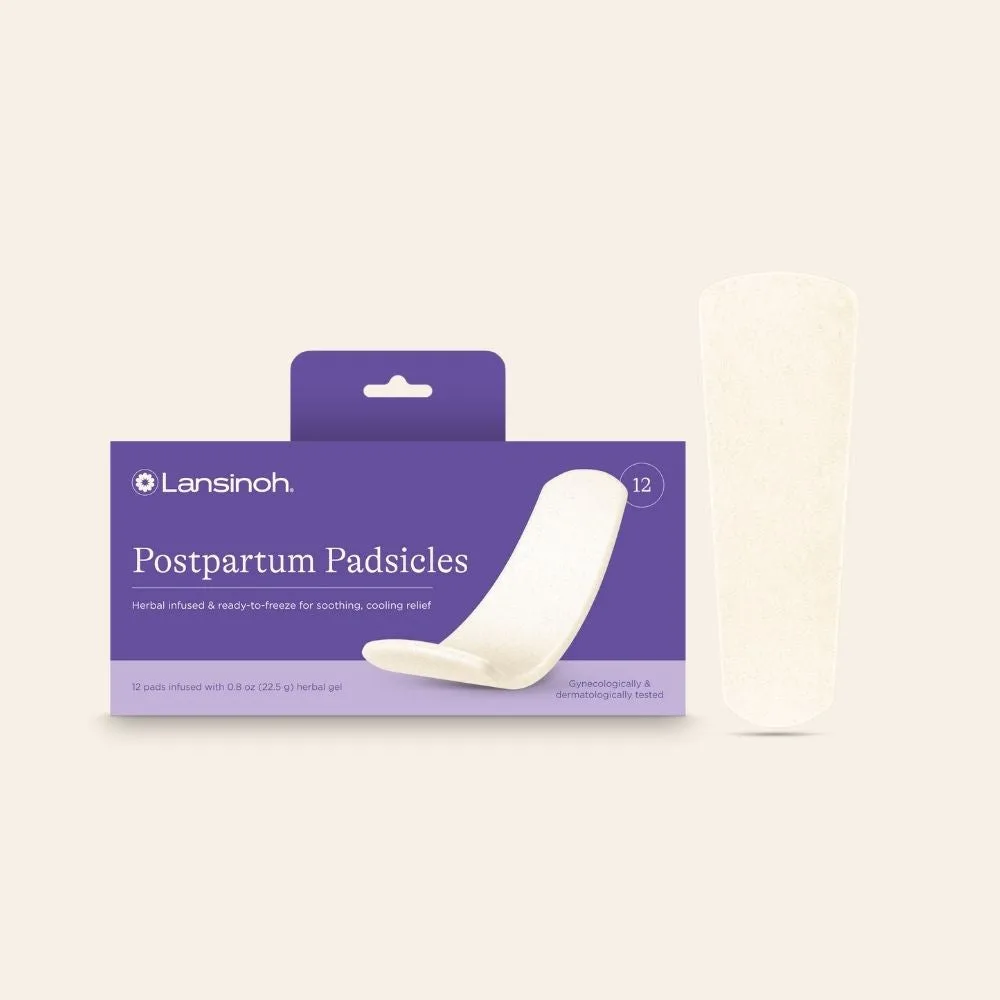
The confusion is understandable because both products are absorbent pads worn against the skin. But a padsicle is a perineal cold pack: it is frozen or chilled, then worn inside postpartum underwear to cool and soothe the tissue that stretched and possibly tore during delivery. A nursing pad is a small absorbent disc worn inside a bra to catch milk that leaks between feeds or from the opposite breast while you pump.
That means the decision is not really padsicles versus nursing pads. It is which one your body needs right now. In the first week after a vaginal birth, perineal care usually comes first. Once milk comes in and let-down starts soaking shirts, breast leak protection becomes the daily need. Many parents use padsicles heavily for a few days and nursing pads for weeks or months.
When to use padsicles, and how to use them
Reach for postpartum padsicles in the first 24 to 72 hours after a vaginal delivery, when swelling, stitches, and general tenderness peak. They are also useful later on any day you have been sitting or walking more than usual and feel sore again. Because Lansinoh Postpartum Padsicles are individually wrapped and ready to freeze, you can stash a few in the freezer before your due date and keep the rest within reach of the bed or bathroom.
To use one, take it from the freezer, unwrap it, and place it in your postpartum underwear with the pad side against the perineum. Wear it for roughly 10 to 20 minutes at a time, then switch to a regular postpartum pad. Always place a padsicle on top of or inside a pad rather than directly against stitches, and never put anything frozen against bare skin for long stretches. If you are unsure how often is safe for your recovery, ask your midwife, OB, or postpartum nurse.
When to use nursing pads, and how to choose them
Nursing pads for leaking become relevant when your milk transitions and you notice wet spots on your shirt, damp sheets, or a let-down that soaks through on one side while your baby feeds on the other. Disposable pads are thin and convenient for the early weeks when you are changing them several times a day. Reusable nursing pads are washable, feel softer against sore nipples for some people, and cut down on waste, but they need a laundry routine and a dry place to air out between changes.
Whichever you choose, change pads as soon as they feel damp. A wet pad held against the nipple keeps skin moist, which can aggravate soreness or irritation. If you are also using nipple cream, apply it first and let it absorb before you place the pad, and check that the pad is not sticking to the nipple when you remove it.
- Disposable: best for the first weeks and for on-the-go changes
- Reusable: best once leaking settles into a predictable pattern
- Change either type at every feed if it feels damp
Building a simple postpartum pad routine
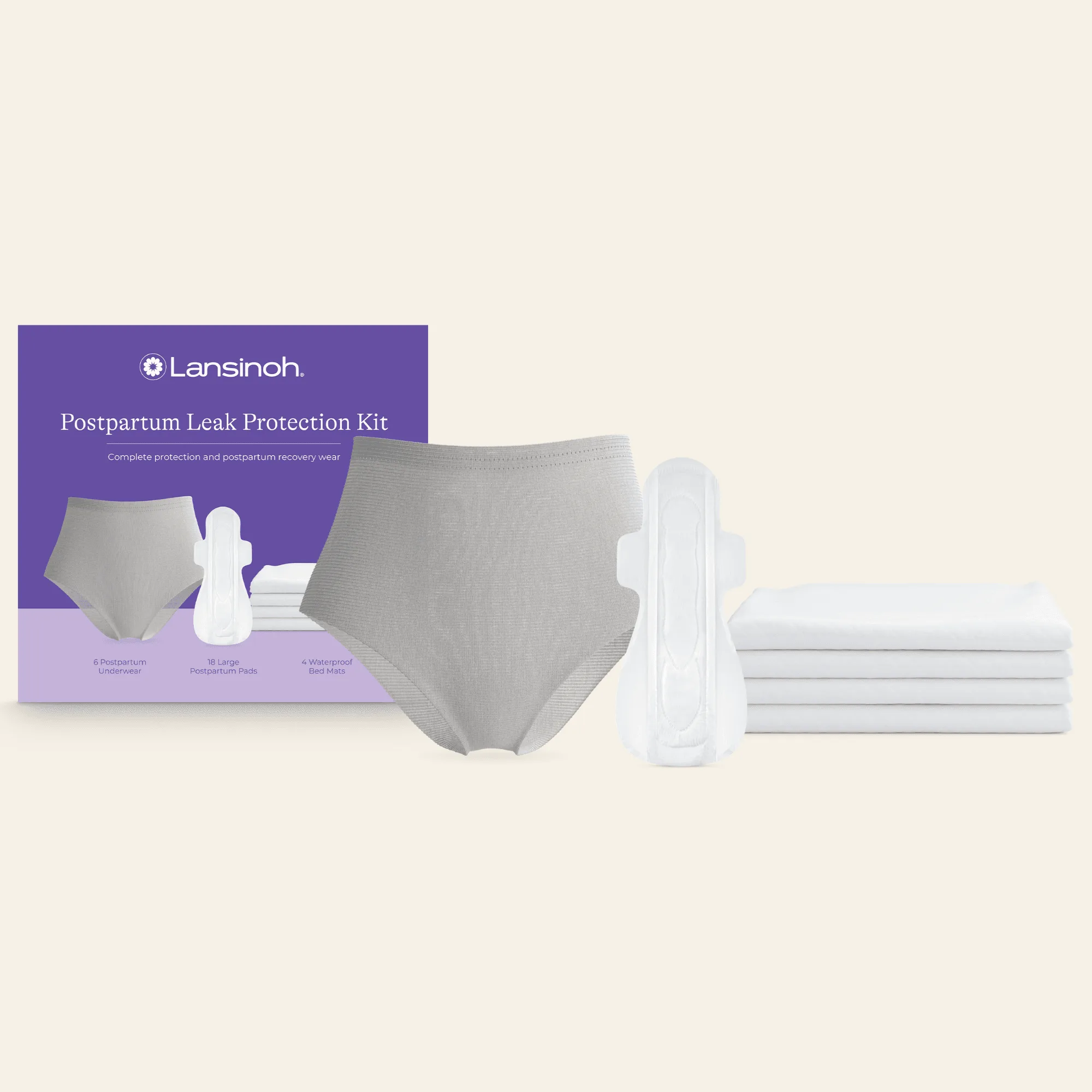
You do not need to choose one product forever. A workable routine layers them by need. Keep frozen padsicles and a stack of postpartum pads at the bedside for the first days. Keep nursing pads in your pump bag, in the diaper station, and in a bedside drawer so you can swap a damp one without hunting for it at 3 a.m. If heavy bleeding and leaking happen at the same time, which is common in the first week, the Postpartum Leak Protection Kit pairs ultra-absorbent postpartum pads, postpartum underwear, and waterproof bed mats so you are not improvising with mismatched pieces.
Restock before you run out. Padsicles are a short-window product, so a small box is usually enough, while nursing pads get used daily for much longer. Write down what you actually reach for in the first week and buy more of that, not more of everything.
Trade-offs to weigh before you stock up
- Padsicles are time-limited: They help most in the first days after a vaginal birth, when swelling and soreness are at their peak. Buy a small quantity first; you may not need a large supply.
- Nursing pads are a longer commitment: Leaking can continue for weeks or months, especially overnight and during let-down. Choose disposable for convenience or reusable to reduce waste, and plan to restock.
- Cold therapy has limits: Padsicles cool and soothe, but they do not replace pain relief or medical advice if soreness is worsening. Contact your care provider if pain increases instead of easing.
- Wet is wet, but the fix differs: A damp nursing pad needs changing for nipple skin health; a soaked postpartum pad needs changing for bleeding and comfort. Keep both types within arm's reach so you actually change them.
Product facts that matter here
- Postpartum Padsicles: Lansinoh Postpartum Padsicles are soft, flexible pads infused with organic aloe vera and witch hazel, individually wrapped and ready to freeze, gynecologically tested and fragrance free. The no-prep format means you can keep them in the freezer and grab one during a night feed or a painful bathroom trip without assembling anything. Fragrance-free matters when the skin is already raw and stitched.
- Postpartum Leak Protection Kit: The Postpartum Leak Protection Kit combines ultra-absorbent Postpartum Pads, Postpartum Underwear, and Waterproof Bed Mats, and is described as safe for sensitive skin and dermatologically tested. This is the below-the-waist layer that holds a padsicle in place and handles bleeding, so you are not buying pads, underwear, and bed protection separately in the first week.
Which one fits your situation
Best for
- Anyone in the first days after a vaginal birth with perineal swelling, stitches, or soreness
- Parents who want a freezer-ready cold pack they can use without assembling anything
- People building a full postpartum recovery station who also need pad, underwear, and bed protection
Not for
- Catching breast milk leaks, which needs a pad worn inside a bra
- Long-term daily use beyond the early soreness window
- Anyone advised by their care provider to avoid cold therapy or who has a medical reason to skip it