Quick answer
If the question is which keeps food fresh longer, lids win. A lid that seals a glass container limits air and moisture loss, while microwave clings sit loosely on top and mainly stop splatter. Use clings for reheating and short rests, and use lids for storage, stacking, and anything going into the fridge or freezer.
What each cover actually does
Microwave clings are lightweight covers that rest over a bowl or plate during reheating. They are designed to catch splatter, not to create an airtight seal. Because they are not sealed, steam and heat can escape, which is fine for a two-minute reheat but not for overnight storage.
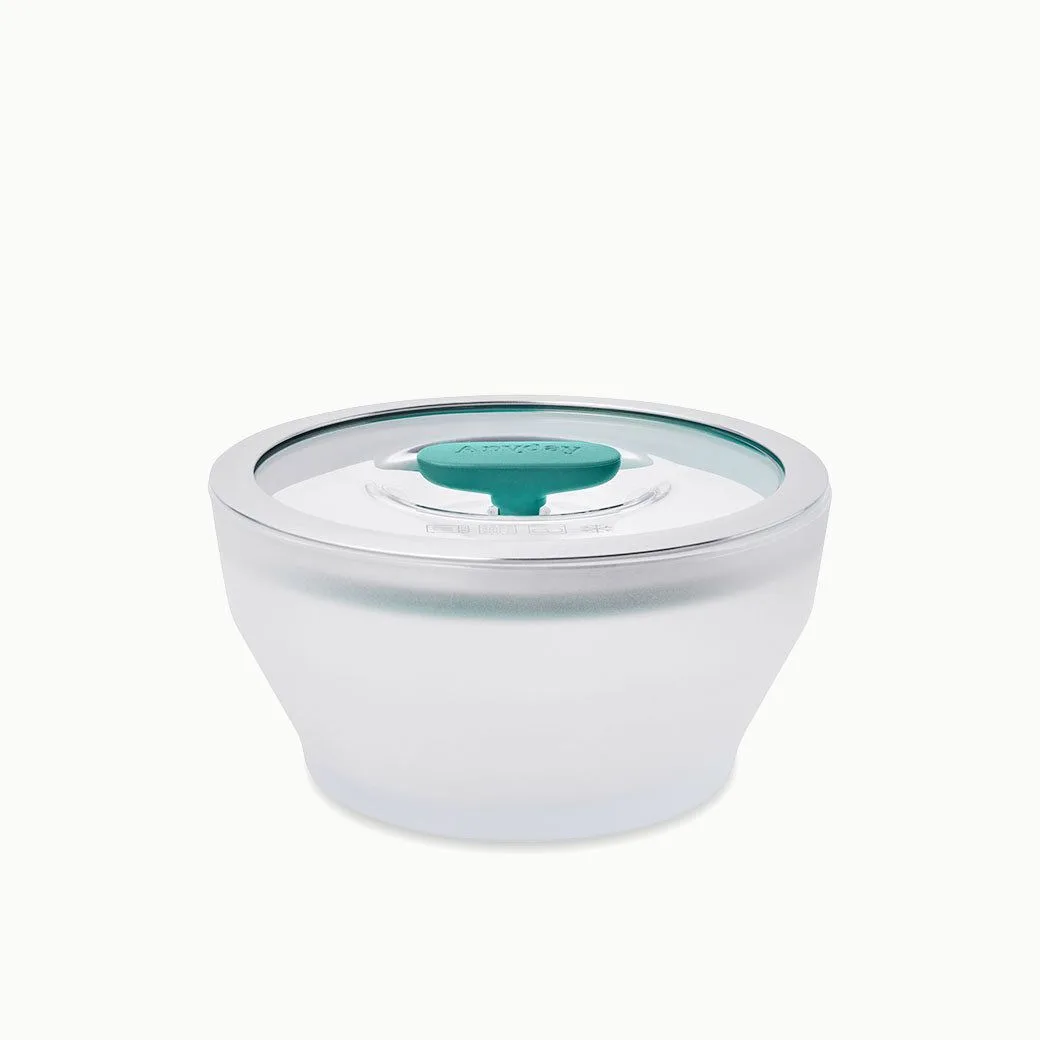
Glass container lids are the storage side of the equation. They sit on a glass dish and are meant to hold food through fridge time, stacking, and transport. The lid does the freshness work; the glass dish does the reheating and serving work. That division is why the two products are not really competitors — they solve different problems.
Where microwave clings win
Clings are fastest when you are reheating a single portion and do not want to commit a whole container to the microwave. They also work on plates, mugs, and bowls that do not have a matching lid. If you reheat in the same dish you eat from, a cling saves you a wash cycle.
The trade-off is that a cling is not a storage cover. It will not hold a seal in the fridge, it will not stack, and it will not protect food from fridge odors the way a fitted lid does. Treat it as a reheating accessory, not a preservation tool.
Where lids win
Lids are the better freshness choice because they close the container. A sealed glass dish limits air exposure and moisture loss, which is what actually slows leftovers down. Lids also make stacking possible, so a fridge shelf holds more without crushing what is underneath.
The trade-off is that lids add a step: you lid the dish for storage, then vent or remove the lid before microwaving depending on the lid material. That extra motion is the price of better preservation and tidier stacking.
How to pair them without overbuying
Start with the containers you actually store in. If most of your leftovers go into round dishes, a round set covers the bulk of your needs. If you portion single servings for work lunches, square dishes stack more efficiently. Add clings only after your storage containers are sorted, because clings do not replace lids.
A practical setup is one storage set plus one pack of clings. The set handles fridge and freezer time; the clings handle reheating and quick splatter control. That combination covers most home kitchens without duplicating function.
Freshness expectations you can trust
No cover makes food last indefinitely. A sealed lid slows moisture loss and air exposure, which helps leftovers hold up longer than an open or loosely covered dish. A cling mainly keeps your microwave clean and keeps steam from drying the surface during a short reheat.
The honest comparison is this: lids are the freshness tool, clings are the convenience tool. If you want one purchase that improves how long food keeps, buy the storage container. If you want one purchase that improves how you reheat, buy the clings.
Trade-offs at a glance
- Freshness: A fitted lid closes the container and limits air and moisture loss; a cling rests loosely and does not seal. Choose lids for storage, clings for reheating.
- Stacking and transport: Lidded glass dishes stack and travel; clings do not hold a seal and can shift. If it leaves the kitchen, it needs a lid.
- Cleaning and upkeep: Clings are quick to rinse and reuse for splatter duty; lids add one more piece to wash but protect the fridge and the shelf. Both are low-effort; the lid earns its keep in storage.
- Best pairing: One glass storage set plus one pack of clings covers fridge time and microwave time without overlap. Buy the container first, then the clings.
Product facts
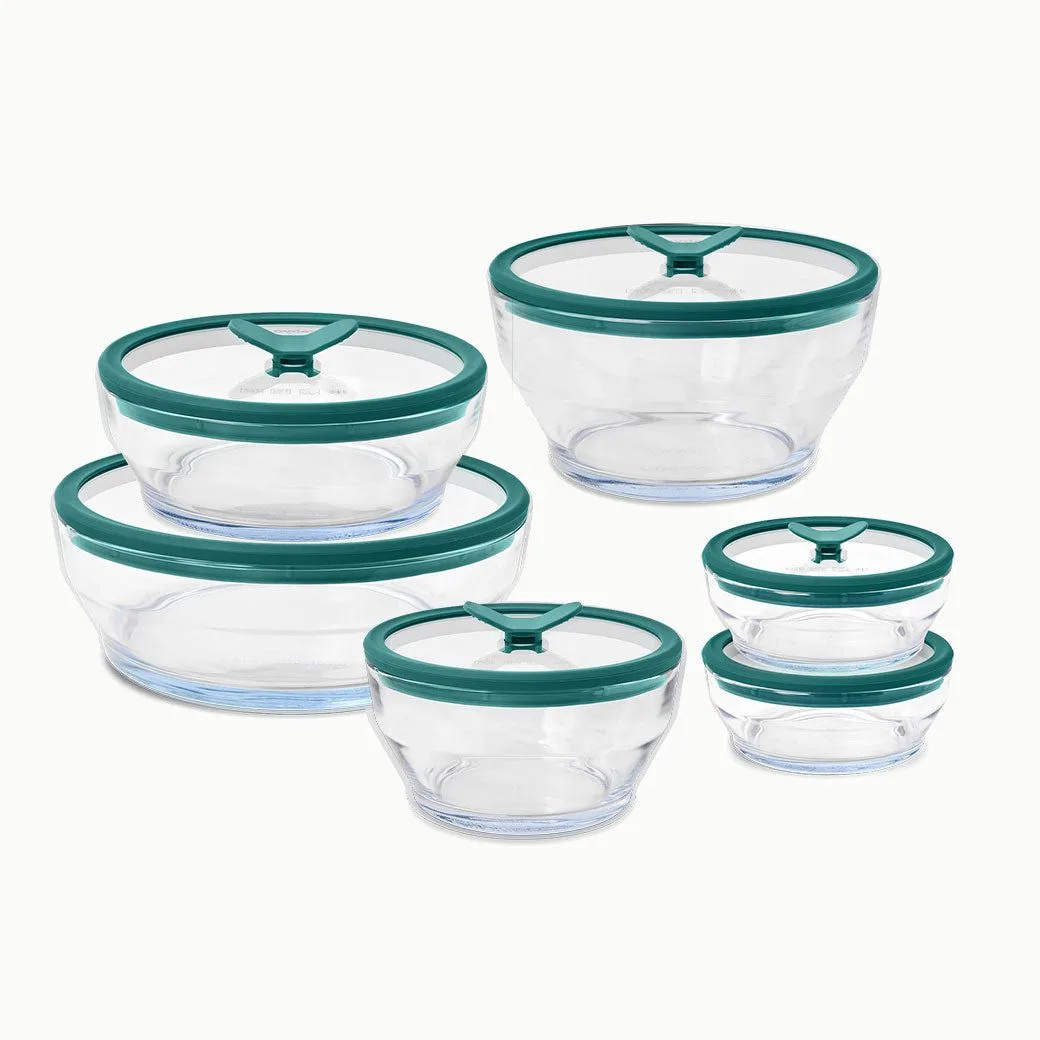
- 8-Piece Glass Round Dish Set: This 8-Piece Glass Round Dish Set includes eight round glass dishes in a choice of Kale, Blueberry, or Black Sesame color options, with Clear or Frosted glass. Round dishes are the natural match for round leftovers and soups, and the color and finish options let you keep one visual system in the fridge.
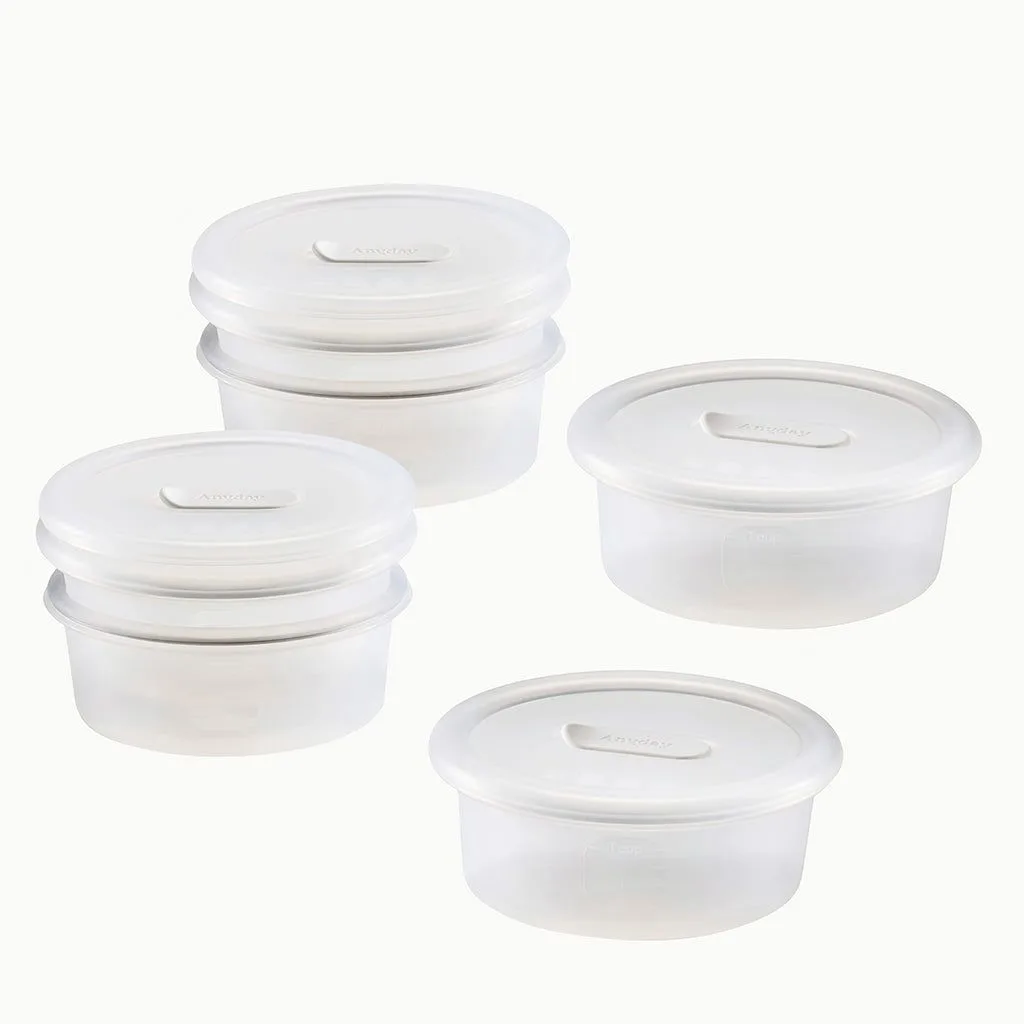
- Microwave Clings: Microwave Clings are a pack of four illustrated clings created in collaboration with artist Ton Mak of FLABJACKS. Four clings cover everyday reheating without committing a storage container to the microwave, and the illustrated design makes them easy to spot in a drawer.
- 2.5-Cup Glass Square Dish Multipack: The 2.5-Cup Glass Square Dish Multipack is a 100% plastic-free, nontoxic glass option available in Kale, Blueberry, or Black Sesame with Frosted or Clear glass, and comes in a choice of quantity. Square dishes use shelf space efficiently, and the quantity choice lets you scale up portions without buying a second style of container.
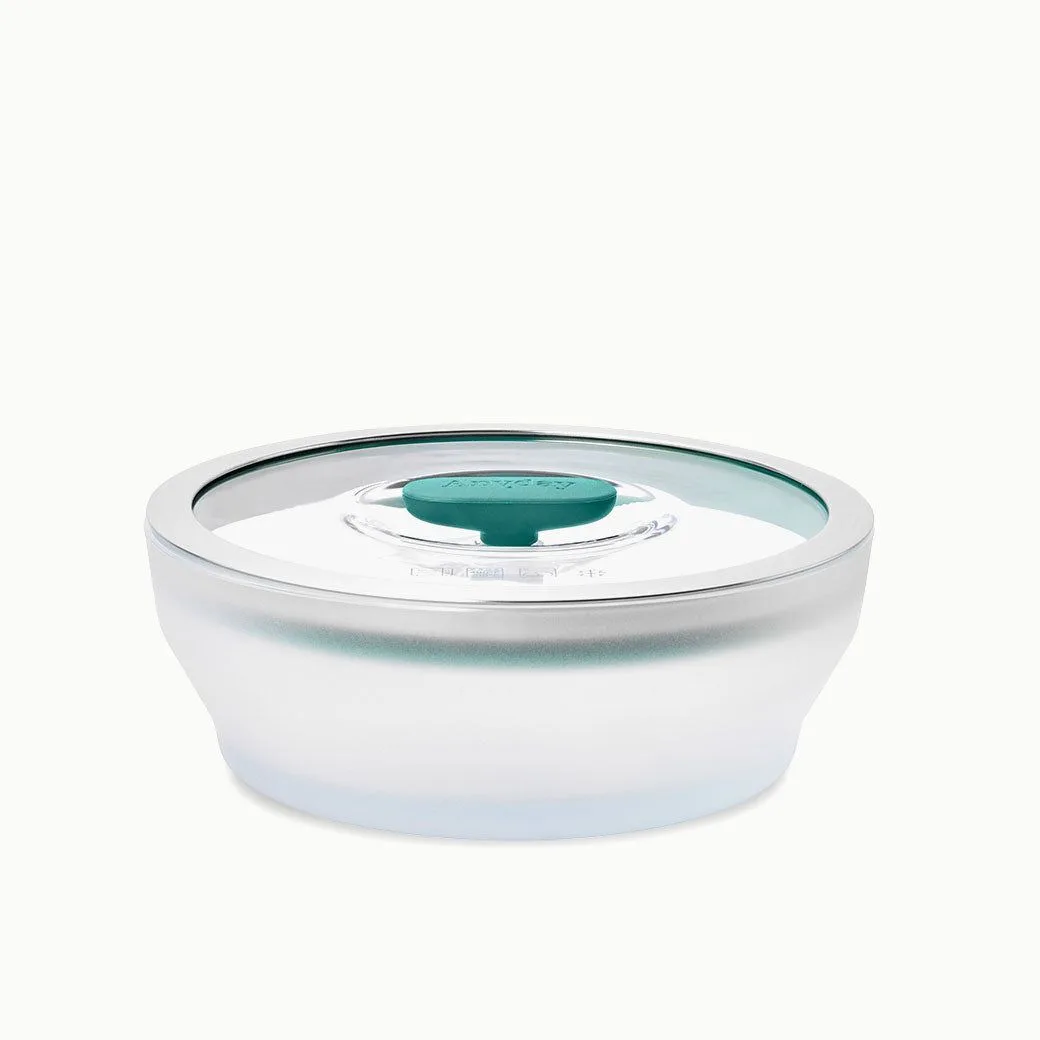
- 4-Cup Glass Round Deep Dish: The 4-Cup Glass Round Deep Dish holds up to 4 cups and is suited to storing or reheating leftovers and steaming a quick vegetable or grain side in the microwave. A deeper round dish handles saucy or bulky leftovers that would overflow a shallow container, and it doubles as a microwave steamer for sides.
Which should you buy?
Best for
- Anyone storing leftovers for more than a day and wanting better freshness
- Home cooks who stack containers in the fridge or carry lunch to work
- Kitchens that reheat in the same dish they store in
Not for
- Buyers who only need splatter control during reheating and already have storage covered
- Anyone expecting a cling to replace an airtight lid for fridge or freezer storage