Quick answer
Read a sunscreen label in this order: SPF number, the words broad spectrum, the PA rating if listed, then the water resistance time. For daily face and body use, choose SPF 50 or higher with broad spectrum and a PA of +++ or ++++. For beach, pool, or sport days, add a water-resistant formula labeled 80 minutes and reapply every two hours.
SPF numbers: what they actually tell you
SPF measures protection against UVB rays, the main cause of sunburn. An SPF 30 filters about 97% of UVB, SPF 50 about 98%, and SPF 70 about 98.5%. The jump from 30 to 50 is meaningful for extended outdoor time; the jump from 50 to 70 is small. What matters more is applying enough and reapplying. If you are choosing sunscreen SPF for a full day outside, pick 50 or higher and reapply every two hours.
What does broad spectrum mean?
Broad spectrum means the formula protects against both UVA and UVB rays. UVA causes premature aging and deeper skin damage; UVB causes burning. In the US, broad spectrum is a pass/fail label claim, not a graded scale. If a bottle does not say broad spectrum, assume UVA protection is incomplete.
PA ratings: the UVA grade you may see
PA (Protection Grade of UVA) is a Japanese rating system used on many Asian and some global sunscreens. It runs from PA+ to PA++++. PA+ offers limited UVA protection; PA++++ is the highest. US labels often skip PA and rely on broad spectrum plus active ingredients like avobenzone or zinc oxide. If you want a clear UVA grade, look for PA on the label.
Water resistant sunscreen meaning
Water resistant means the SPF level holds after 40 or 80 minutes of water activity or sweating. It is not waterproof. If a label says 80 minutes, reapply after that window or after toweling off. For swimming, heavy sweating, or beach days, choose an 80-minute water-resistant formula. For office or daily errands, water resistance is optional and can feel heavier.
Mineral vs. chemical actives on the label
Mineral sunscreens use zinc oxide or titanium dioxide and sit on top of skin. They suit sensitive skin and are less likely to sting eyes, but can leave a white cast unless the formula is tinted or sheer. Chemical sunscreens use ingredients like avobenzone, homosalate, octisalate, and octocrylene. They tend to be lighter and invisible, but some people find them irritating. Neither is better; match the active type to your skin and activity.
Sticks, sprays, and lotions: label differences
Sticks are best for face and spot application, but you need multiple passes to reach the labeled SPF. Sprays are fast for kids and large areas, but wind can carry product away and you should not spray directly onto the face. Lotions give the most reliable coverage for full-body use. Check the label for the form and reapply accordingly.
Decision rules for reading any sunscreen label
- Check SPF first: If you will be outside for more than an hour, choose SPF 50 or higher. For brief incidental exposure, SPF 30 is sufficient. Higher SPF helps only if you apply enough and reapply.
- Confirm broad spectrum: The label must say broad spectrum to cover UVA and UVB. If it does not, keep looking. Broad spectrum is non-negotiable for daily use.
- Look for PA if you want a UVA grade: PA+++ or PA++++ indicates high UVA protection. US labels may not list PA, so rely on broad spectrum plus actives like avobenzone or zinc oxide. PA is useful but not required if broad spectrum is present.
- Match water resistance to activity: Choose 80-minute water resistance for swimming, sweating, or beach days. Skip it for office or daily wear if you prefer a lighter feel. Reapply after 80 minutes or after toweling off.
- Pick the format for the job: Use lotion for full-body coverage, stick for face and spot application, and spray for kids or large areas. Follow label directions for each. No format works if you under-apply.
Label examples from this store
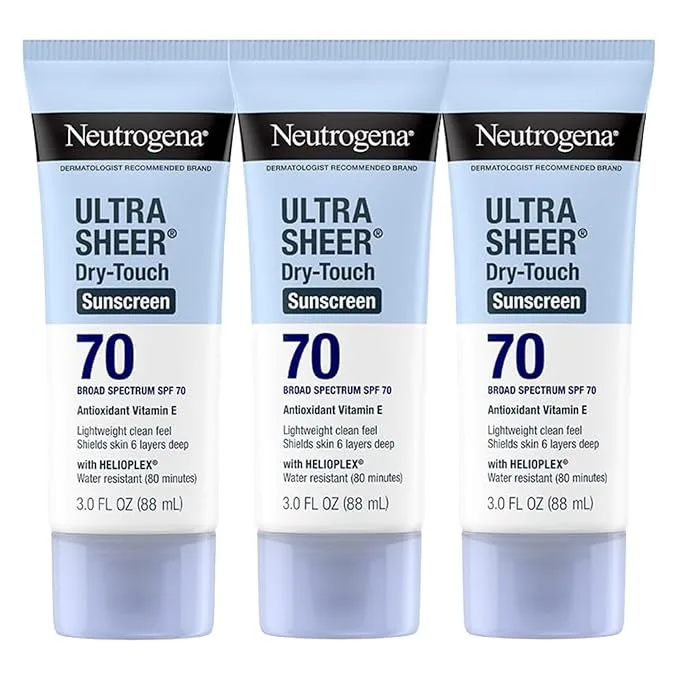
- Neutrogena Ultra Sheer Dry-Touch Sunscreen For Face & Body, SPF 70 Broad Spectrum UVA/UVB Protection, Lightweight Water Resistant & Non-Greasy, Travel Size Sunscreen, 3 fl. oz (Pack of 3): Neutrogena Ultra Sheer Dry-Touch Sunscreen For Face & Body, SPF 70 Broad Spectrum UVA/UVB Protection, Lightweight Water Resistant & Non-Greasy, Travel Size Sunscreen, 3 fl. oz. Shows a high SPF 70 with broad spectrum and water resistance in a travel size, so you can keep it in a bag for reapplication.
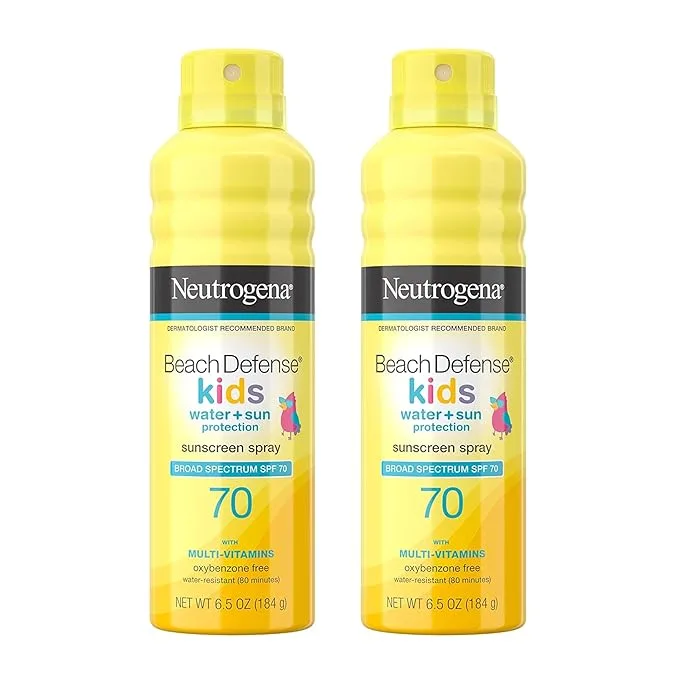
- Neutrogena Beach Defense Kids Sunscreen Spray SPF 70, Water-Resistant Spray Sunscreen, Broad Spectrum Protection, Oxybenzone-Free & Fast-Drying, Beach Vacation Essential, 6.5 oz, Pack of 2: Neutrogena Beach Defense Kids Sunscreen Spray SPF 70, Water-Resistant Spray Sunscreen, Broad Spectrum Protection, Oxybenzone-Free & Fast-Drying, Beach Vacation Essential, 6.5 oz. Demonstrates a spray format with SPF 70 and 80-minute water resistance, useful for kids and quick reapplication at the beach.
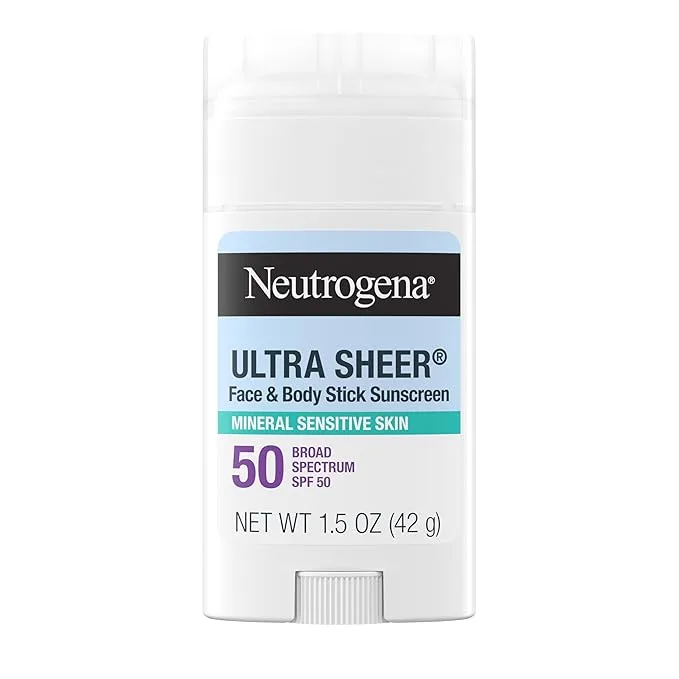
- Neutrogena Ultra Sheer Dry Touch SPF 50 Mineral Sunscreen Stick for Sensitive Skin, Zinc Oxide, Body & Face Sunscreen with Vitamin E, No White Residue & Vegan, 1.5 oz: Neutrogena Ultra Sheer Dry Touch SPF 50 Mineral Sunscreen Stick for Sensitive Skin, Zinc Oxide, Body & Face Sunscreen with Vitamin E, No White Residue & Vegan, 1.5 oz. Shows a mineral stick with zinc oxide and SPF 50, a good option for sensitive skin and targeted face application.
Is this label-reading approach right for you?
Best for
- Anyone who wants a fast, reliable way to compare sunscreens in-store or online
- Shoppers choosing between SPF 30, 50, and 70 for different activities
- People who need to understand water resistance and PA ratings before buying
Not for
- Readers looking for a specific product review or brand comparison
- Anyone seeking medical advice about sun sensitivity or skin conditions