Quick Answer
Yes, you still need to floss or clean between your teeth even if you use a sonic toothbrush. A sonic brush removes plaque from the broad surfaces it can reach, but the tight contacts between teeth and the gumline need a separate tool. Think of it as two steps, not two options: brush first, then clean between every tooth once a day.
Why a Sonic Toothbrush Can't Replace Floss
Sonic toothbrushes work by vibrating bristles at high speed to break up plaque on the surfaces they touch. That includes the front, back, and chewing surfaces of teeth, and it does that job well. What bristles cannot do is slide through the contact point where two teeth meet. Those spaces are simply too narrow for even fine bristles to enter, so plaque and food debris can stay there undisturbed.
That is why dental professionals treat brushing and interdental cleaning as separate habits rather than substitutes. If you only brush, you are cleaning the surfaces you can see and reach. The spaces between teeth are where plaque tends to build up quietly, which is exactly why they get their own step in your routine.
How to Add Interdental Cleaning Without Overhauling Your Routine
The easiest way to make flossing stick is to attach it to a habit you already have. Keep your floss or picks next to your toothbrush so you see them at the same time. Clean between your teeth before you brush, or right after, whichever order you will actually repeat. The order matters less than doing it daily.
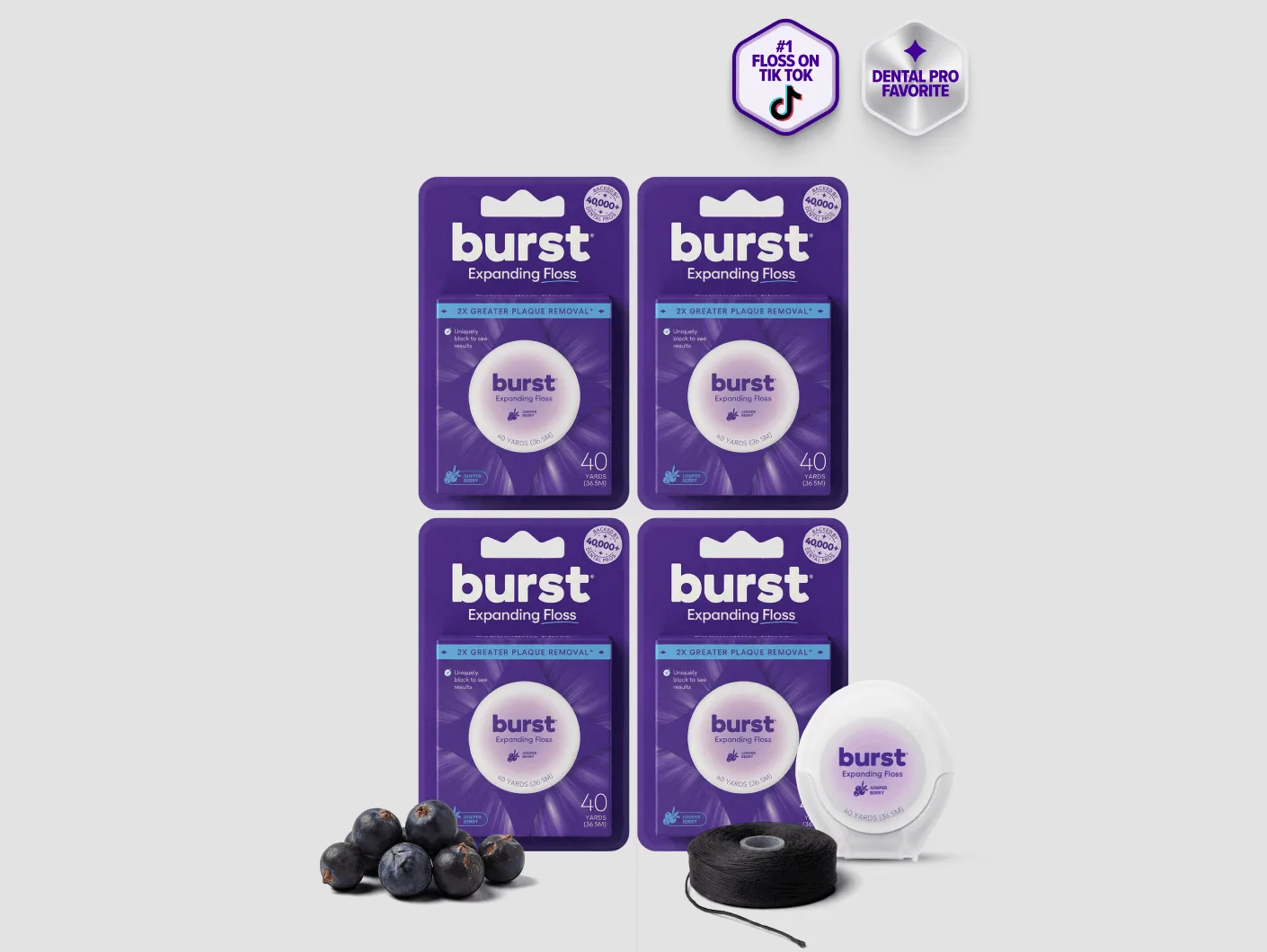
If traditional string floss feels awkward, floss picks can make the motion simpler because you do not have to wrap floss around your fingers. If you prefer a thread that adapts to the space, an expanding floss is designed to widen as it moves between teeth. The right tool is the one you will use consistently, not the one that looks most technical on a shelf.
- Set a fixed time: pair interdental cleaning with your evening brush so it becomes automatic.
- Keep tools visible: store picks or floss beside your toothbrush, not in a drawer.
- Work around the mouth in order: start at the back on one side and move methodically so you do not skip teeth.
- Be gentle at the gumline: slide in without snapping the floss against the gum.
What About Water Flossers and Other Tools?
Water flossers and interdental brushes are useful options, especially if you wear braces, have bridges, or find string floss difficult. They can rinse away loose debris and reach some areas that floss does not. However, they are not always a direct swap for the scraping motion of floss against the side of each tooth. If you use a water flosser, many dental professionals still suggest using it alongside a mechanical interdental cleaner rather than instead of one.
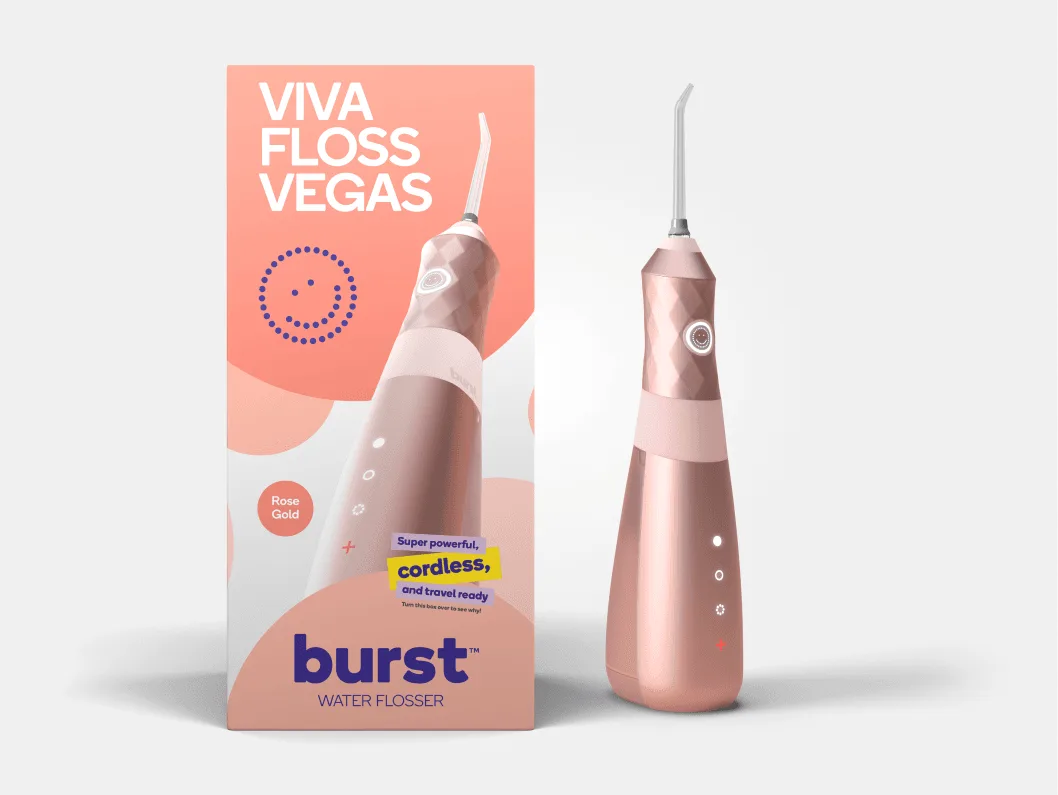
water flosser
The honest tradeoff is that no single tool does everything. A sonic brush handles broad surfaces. Floss, picks, or interdental brushes handle the tight contacts. A water flosser adds a rinse. Combining two simple steps covers far more ground than upgrading one tool and skipping the other.
How Often Should You Floss With a Sonic Toothbrush?
Once a day is the standard recommendation for most people, and many find it easiest to do at night so teeth go to sleep clean. If you are prone to gum inflammation or have braces, your dentist or hygienist may suggest cleaning between teeth more often. Follow their guidance over any general rule.
Consistency beats intensity here. Cleaning between every tooth once a day will do more for your oral hygiene habits than an exhaustive session once a week. If you miss a day, just pick it back up the next time you brush.
Quick FAQ: Flossing With a Sonic Toothbrush
Can I skip flossing if I brush for two minutes with a sonic brush?
No. Two minutes of sonic brushing cleans the surfaces the bristles reach, but it cannot enter the contact points between teeth. Those spaces still need floss, picks, or an interdental brush. Brush for two minutes, then clean between teeth once a day.
Should I floss before or after brushing?
Either order works. Some people prefer flossing first to loosen debris before brushing; others brush first and floss after. The important part is doing it every day, not the sequence. Pick the order you will repeat consistently.
Is a water flosser enough on its own?
A water flosser can rinse away loose debris and is helpful for braces or bridges, but it does not always replace the scraping action of floss against each tooth. Many dental professionals suggest using both. Use a water flosser as an addition, not a full replacement, unless your dentist says otherwise.
What if my gums bleed when I floss?
Some bleeding is common when you start a new interdental routine, but it should improve as the habit becomes regular. If bleeding continues or is heavy, check with your dentist or hygienist. Persistent bleeding is a reason to ask a professional, not to stop cleaning between teeth.
Tools That Make Interdental Cleaning Easier
- Interdental Floss Picks: BURST Interdental Floss Picks are designed to help you clean between teeth and along the gumline, with an easy-to-hold design and a portable format for on-the-go oral care. If you tend to skip flossing because string floss feels fiddly, a pick you can hold and carry removes one more excuse and makes the daily habit easier to keep.
- Watermelon Mint Expanding Floss 2 Pack: BURST Watermelon Mint Expanding Floss is clinically proven to remove 2x more plaque than regular unwaxed dental floss, using expanding technology with a soft black thread and a smart coating. For readers who want a string floss that adapts to the space between teeth, an expanding thread is a practical upgrade over unwaxed floss that stays flat.