Quick Answer
Some metal is safe in microwaves under specific conditions, but most household metal objects should stay out. Modern inverter microwaves like the Breville Smooth Wave handle certain metal items better, but the old rules about sparks and arcing still apply.
Why Metal Sparks in a Microwave
Microwaves work by emitting electromagnetic waves that excite water molecules. Metal reflects these waves, and when thin or pointed metal edges concentrate the energy, it can cause sparks (arcing). Thick, smooth metal pieces are less likely to arc, but the risk depends on shape, material, and microwave design.
Older microwaves with simple magnetrons are more prone to arcing. Newer inverter models, like the Breville Smooth Wave, use Power Smoothing Inverter technology to deliver more consistent power, which can reduce but not eliminate the risk with metal.
Aluminum Foil: The Most Common Culprit
Aluminum foil is thin and has sharp edges, making it a prime candidate for arcing. Small, smooth pieces (no larger than a few inches, with no wrinkles) can sometimes be used to shield parts of food, but it's risky. The USDA allows small amounts of foil in microwaves, but only if it's flat, not touching the walls, and not covering more than 1/4 of the food.
If you must use foil, keep it at least 1 inch from the microwave walls and never crumple it. Even then, arcing can still occur, so most manufacturers advise against it.
Stainless Steel and Other Metals
Stainless steel bowls, utensils, and cookware are generally not microwave-safe because they are thick and reflective, but also because they can create hot spots or damage the magnetron. Some newer microwaves have metal racks or turntable supports, but those are specifically designed for the cavity and tested for safety.
Metal twist ties, takeout containers with metal handles, and decorative trim on plates are common hazards. Always check the manufacturer's guidelines for your specific microwave model.
Myth vs. Fact: Metal in Microwaves
- Myth: Any metal in a microwave will cause sparks and damage.: Fact: Thick, smooth metal pieces (like a metal rack designed for the microwave) can be safe. The risk comes from thin, sharp, or irregular metal shapes that concentrate energy.
- Myth: Aluminum foil is never safe in a microwave.: Fact: Small, flat pieces of foil can be used to shield parts of food, but only if they are smooth, not touching the walls, and less than 1 inch from the cavity edges. Most manufacturers still recommend avoiding it. If you try it, keep foil flat and small, and watch for arcing.
- Myth: Stainless steel bowls are safe because they are thick.: Fact: Thick stainless steel can still cause arcing or damage the microwave's magnetron. Only metal items explicitly labeled microwave-safe should be used. Always check the microwave's manual for approved metal accessories.
How Modern Microwaves Handle Metal
-
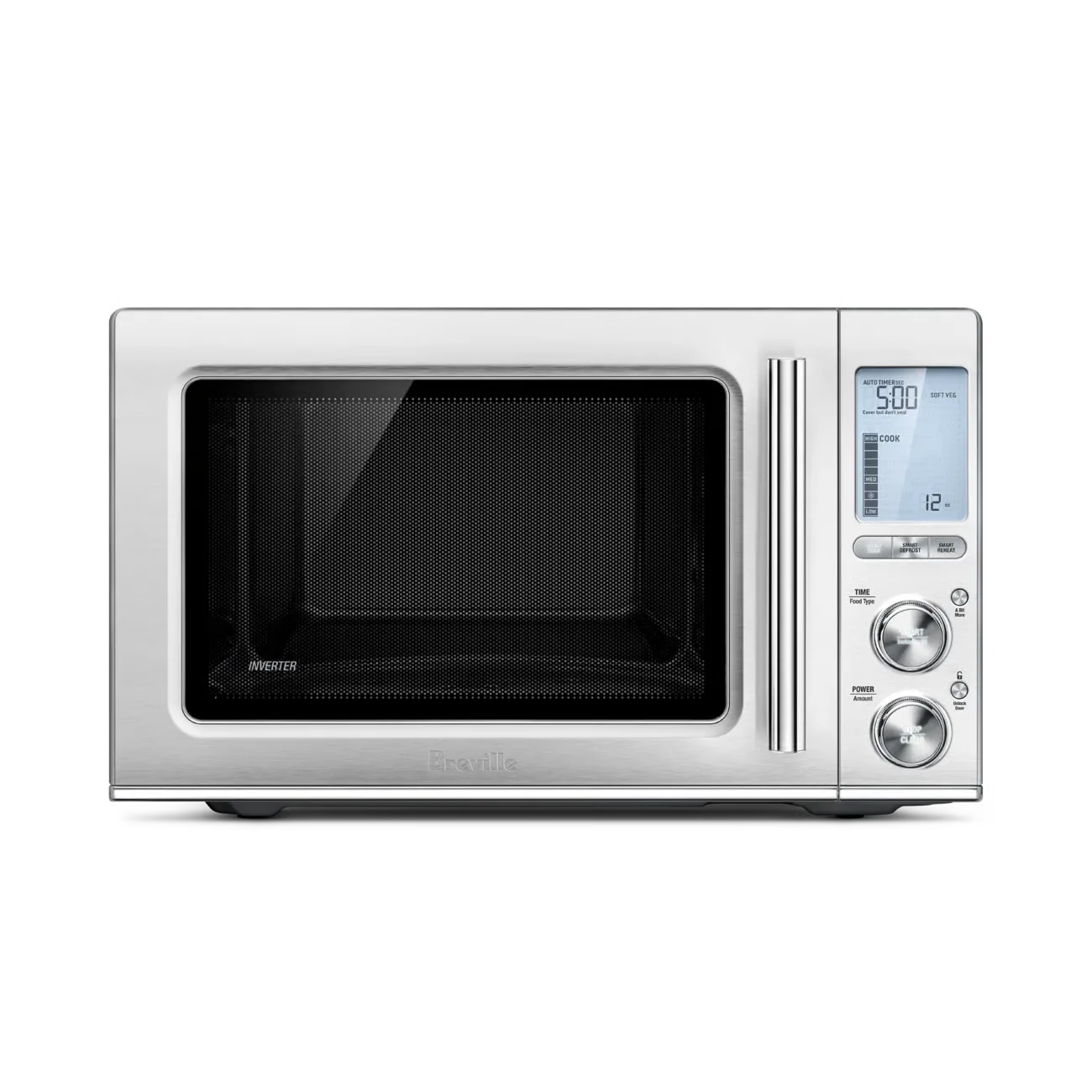
the Smooth Wave™: The Smooth Wave is powered with Sensor iQ technology and a Power Smoothing Inverter, designed to take the guesswork out of cooking by automatically adjusting power. The inverter provides steadier power delivery, which can reduce the chance of arcing with certain metal items compared to older on-off magnetron microwaves, but it does not make all metal safe.
the Smooth Wave™