Quick answer
Use a medium-fine grind, water at 200°F, and a 1:16 ratio in a pour-over to bring out the candy-forward sweetness of this Swiss-Water decaf co-ferment.
Why this brew method works
The Decaf Colombia El Vergel Co-Ferment uses a Swiss-Water process that removes caffeine while preserving delicate fruit notes. A pour-over method gives you control over extraction to highlight the melon co-ferment sweetness without the fermented funk typical of some experimental coffees.
Because this is a decaf, the beans are slightly more porous after decaffeination. That means water flows faster through the grounds, so you need a slightly finer grind than you would for a regular light roast to achieve proper extraction.
Step-by-step pour-over recipe
- 1. Heat water to 200°F: Bring filtered water to 200°F (93°C). Boiling water (212°F) can over-extract decaf and create bitterness. A variable-temperature kettle is ideal. Check your kettle temperature with a thermometer if it doesn't have a digital readout.
- 2. Grind 20g coffee medium-fine: Grind 20 grams of beans to a medium-fine consistency, similar to table salt. Decaf grinds can clump more; break up any clumps with a chopstick or by shaking the brewer. If your drawdown takes longer than 3 minutes, the grind is too fine. If it finishes in under 2 minutes, go finer.
- 3. Rinse the filter and preheat: Place a paper filter in your pour-over cone (V60 or Kalita Wave) and rinse with hot water. Discard the rinse water. This removes paper taste and warms the brewer. A cold brewer drops the slurry temperature by several degrees, so preheating is essential for consistent extraction.
- 4. Add coffee and start the bloom: Add the ground coffee to the filter and pour 40g of water (double the coffee weight) in a slow spiral. Let it bloom for 30 seconds. Fresh decaf still releases CO₂; a proper bloom ensures even extraction. If you see little to no bloom expansion, the beans may be older. Extend the bloom to 45 seconds to compensate.
- 5. Pour in stages: After the bloom, pour water in three stages: first to 120g, then to 200g, finally to 320g (total water). Pour in a steady spiral, keeping the water level below the rim. Aim for a total brew time of 2:30 to 3:00 minutes. Pouring too fast or too high can channel water through the grounds, causing uneven extraction. Keep the stream gentle.
- 6. Swirl and serve: When the water has drained, give the brewer a gentle swirl to flatten the coffee bed. Let it finish dripping, then remove the filter. Serve immediately. The cup should taste sweet, with notes of melon and candy, and no harsh bitterness. Let the coffee cool for 2-3 minutes before tasting. Flavor clarity improves as it cools.
Featured product
-
Decaf Colombia El Vergel Co-Ferment: Another in a series of wildly fruit-forward coffees out of Colombia, but this time as a Swiss-Water Decaf! Inoculated fermentations and co-fermentations have exploded in popularity within Colombia, and Forest Coffee leads the charge with this melon co-ferment. The Swiss-Water process removes caffeine without chemicals, so you get a clean cup that still tastes like a specialty coffee, not a flat decaf.
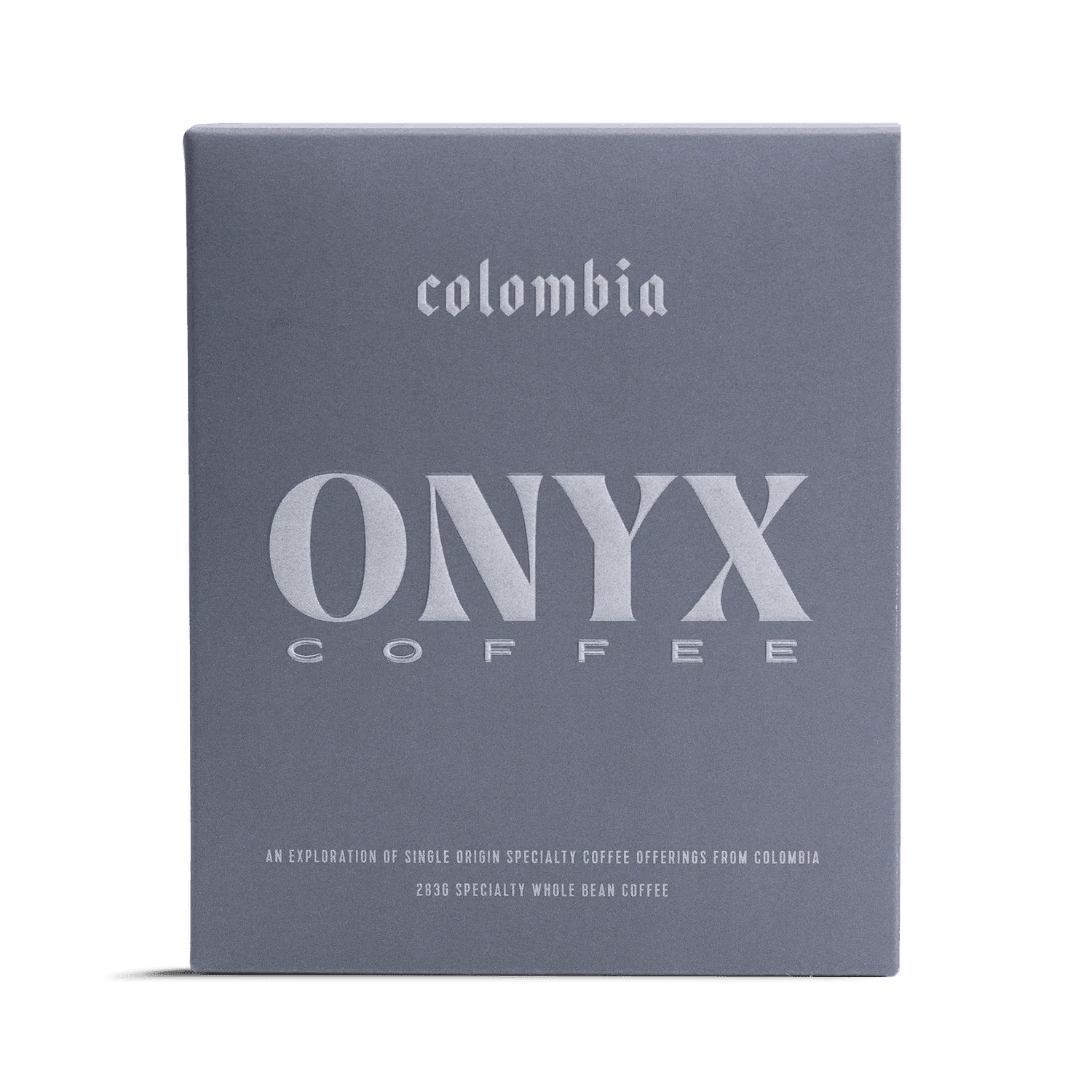
Decaf Colombia El Vergel Co-Ferment